News

Defense · Geopolitics · Middle East · Oil Markets
The Pentagon is deploying the USS Tripoli, an amphibious assault ship, along with thousands of military personnel to the Middle East, following President Trump's aggressive rhetoric against Iran.
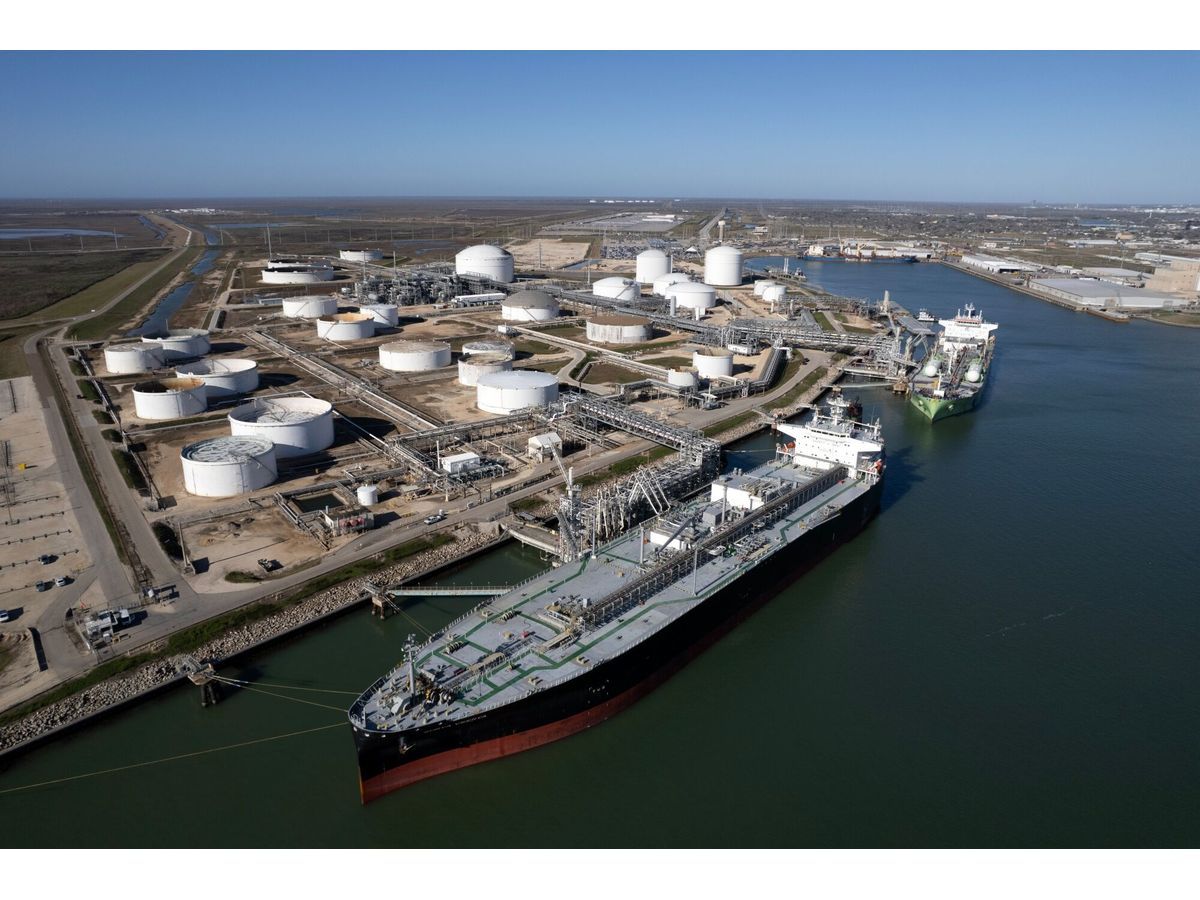
This significant repositioning comes as the U.S. military acknowledges its current inability to fully control the vital Strait of Hormuz, a chokepoint for approximately 20% of global petroleum. Energy Secretary Chris Wright predicts the waterway will be reopened within two weeks, despite the ongoing conflict. The deployment's scale is debated, with reports ranging from 2,500 to 5,000 Marines and sailors.
This move echoes previous naval buildups that preceded military actions against Iran. While officials considered seizing Iran's Kharg Island, responsible for 90% of its oil exports, Trump stated it's not a current priority but could change.
Concurrently, the U.S. has sent 10,000 AI-enabled Merops interceptor drones, costing $14,000-$15,000 each, to counter Iranian Shahed drones (over $20,000) targeting American and allied positions. Trump dismissed Ukraine's offer of assistance in drone defense, asserting U.S. superiority.
The situation highlights escalating tensions and the potential for significant disruption to global oil supplies.
Iran Conflict Escalates, Araghchi Halts US Talks, Oil Surges
Iran Adopts Russia's Drone Swarm, Challenges US Defenses
Trump Escalates Iran War, DHS Fails, Markets React