News
Geopolitics · Iran Conflict · Oil Markets · Trump Policy
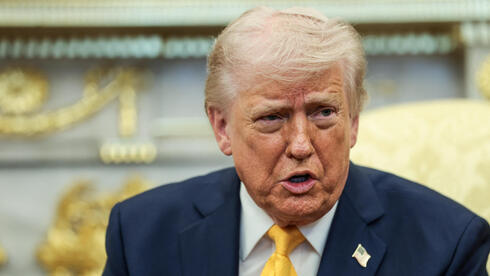
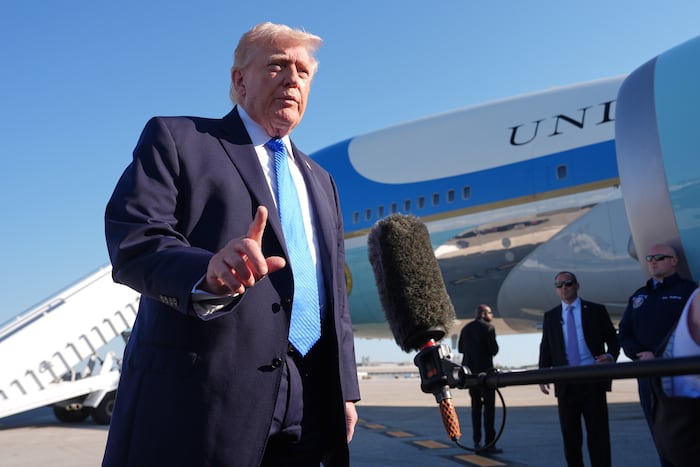
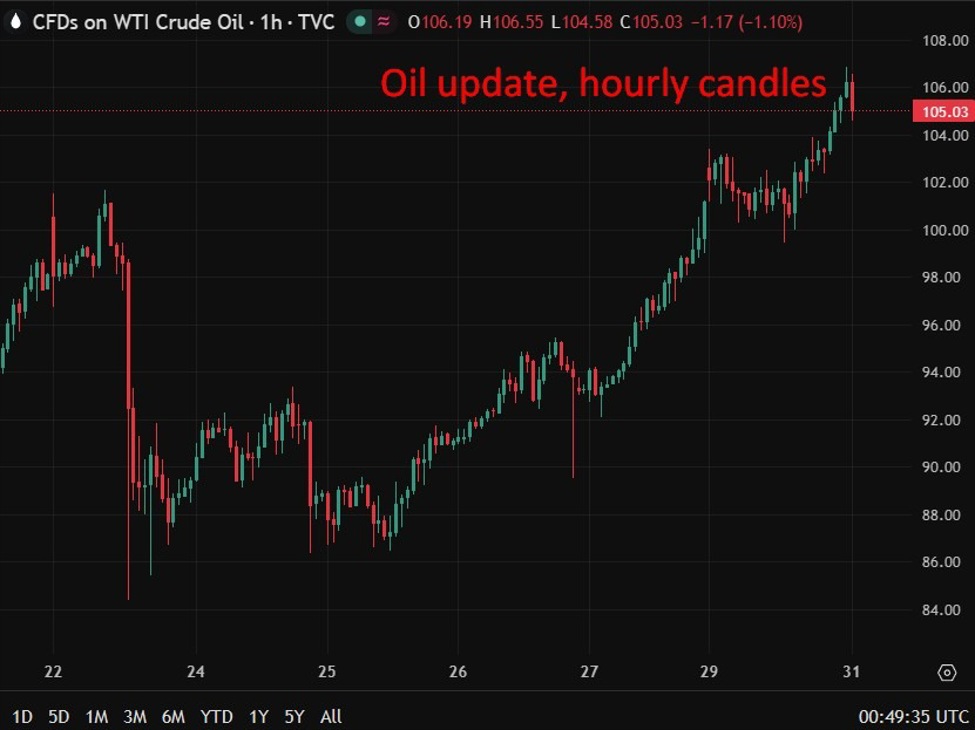
US President Donald Trump aims to conclude the Iran conflict within a four-to-six-week window, according to a WSJ report, despite simultaneously escalating military pressure and Iran's rejection of direct talks, which keeps market volatility elevated, particularly for oil.
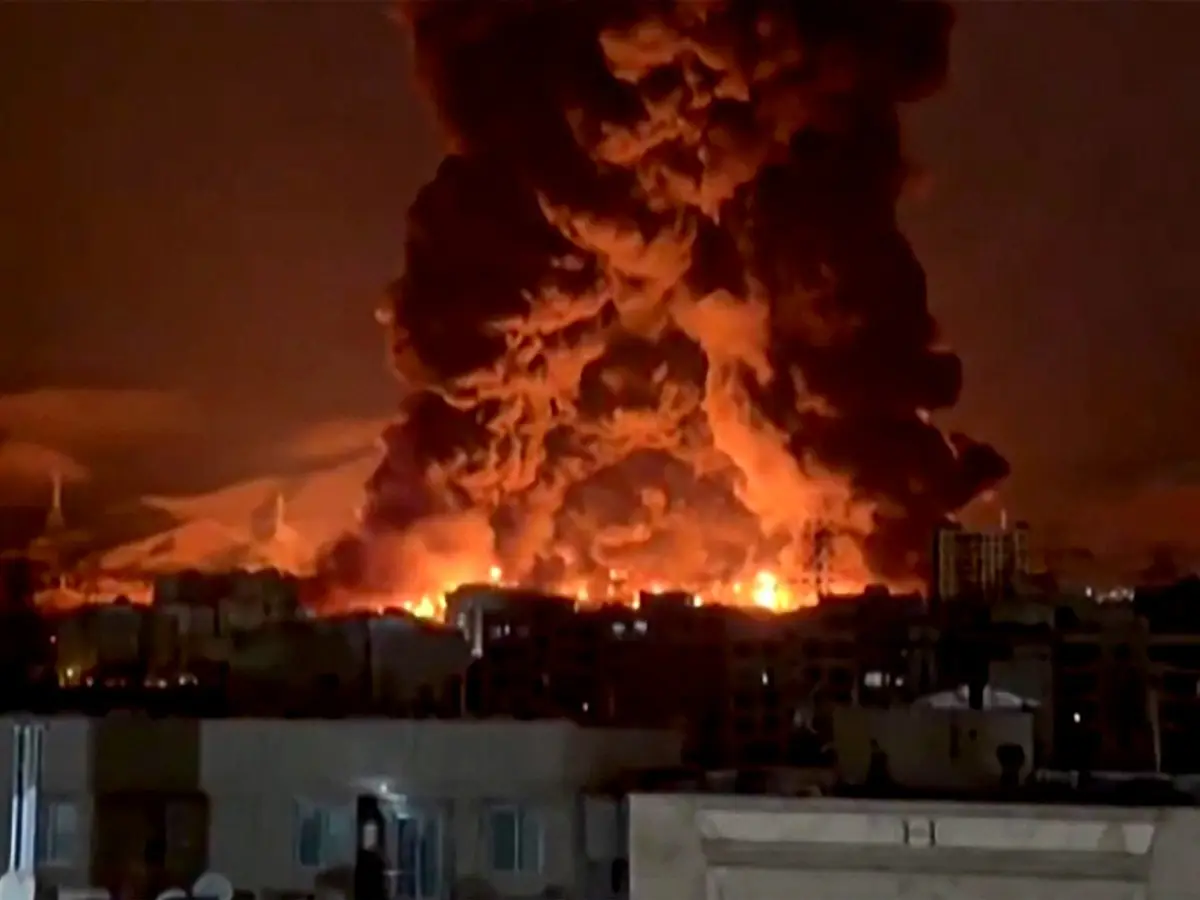
Trump views the conflict as entering its final phase and has aligned diplomatic schedules, including a mid-May summit with Chinese President Xi Jinping, around this expectation. However, a swift resolution is uncertain as Tehran refuses direct negotiations, and tensions in key energy corridors such as the Strait of Hormuz continue to disrupt global markets.
The US is deploying additional troops to the Middle East, maintaining options for targeted ground actions, though Trump remains cautious about casualties and prolonging the conflict. This dual-track strategy, pursuing diplomatic off-ramps while simultaneously escalating military pressure, underscores the unpredictable trajectory.
Trump signals interest in a negotiated settlement, including proposals that involve US access to Iranian oil. Domestic pressures, including rising energy costs linked to the conflict and upcoming midterm elections, also influence the administration's approach.
Ultimately, while Trump seeks a rapid conclusion, the outcome remains contingent on both military developments and Iran’s willingness to engage, leaving markets highly sensitive to both diplomatic signals and escalation risks.
Iran Conflict Escalates, Araghchi Halts US Talks, Oil Surges
Trump Pushes Swift Iran War End, Ramps Pressure(current)
Iran Adopts Russia's Drone Swarm, Challenges US Defenses
Trump Escalates Iran War, DHS Fails, Markets React