Araverus
NewsMarketsResearch
News
HeadlinesThreadsAtlas
© 2026 Araverus
AboutContactPrivacyTerms

Araverus does not provide financial, investment, or trading advice. All content is for informational purposes only. Full disclaimer

  1. News
  2. /
  3. World
  4. /
  5. Middle East
Top Headline

Iran Downs US Warplanes; Geopolitical Risk Surges

Story Thread|US-Iran War Intensifies with Escalating Military Engagements

Araverus Team|Saturday, April 4, 2026 at 1:00 AM

Iran Downs US Warplanes; Geopolitical Risk Surges

Araverus Team

Apr 4, 2026 · 1:00 AM

Energy Markets · Geopolitical Risk · Iran Conflict · Supply Chain Disruption

Energy MarketsGeopolitical RiskIran ConflictSupply Chain Disruption

Key Takeaway

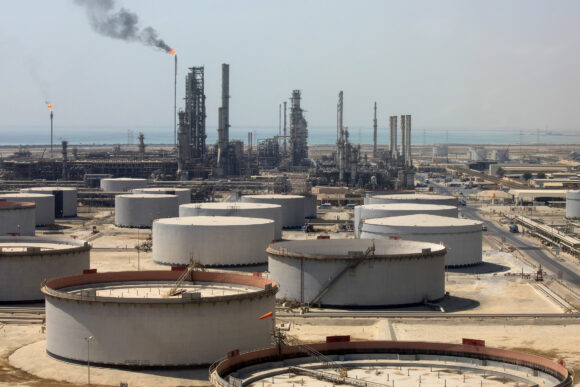
The downing of U.S. warplanes and stalled diplomacy means a prolonged conflict scenario for investors, driving increased geopolitical risk premiums across global markets. This means sustained volatility in energy prices and higher insurance costs for firms with Middle Eastern exposure. It also means delayed reopening of vital trade routes well into the second half of 2026, impacting global supply chains and inflation.

Iran successfully downed two U.S. warplanes, an F-15E Strike Eagle and an A-10 Thunderbolt II, marking the first combat air losses after more than 13,000 sorties, demonstrating its persistent ability to raise operational costs for Washington and its allies.

This incident, first reported by the Wall Street Journal, signals a shift towards an asymmetric "war of attrition" by the Islamic Revolutionary Guard Corps (IRGC), aiming to sap political resolve rather than achieve traditional military victory. Tehran's "weapon of mass disruption" has kept global energy prices volatile and insurance premiums high, directly linking the conflict to U.S. domestic inflation.

Diplomatic efforts have stalled, with Iran refusing a peace summit in Islamabad due to "unacceptable" White House ceasefire demands. The conflict is escalating commercially, with daily drone and missile strikes on regional targets, including a recent strike heavily damaging a U.S. E-3 AWACS radar plane and refueling tankers at Prince Sultan Air Base.

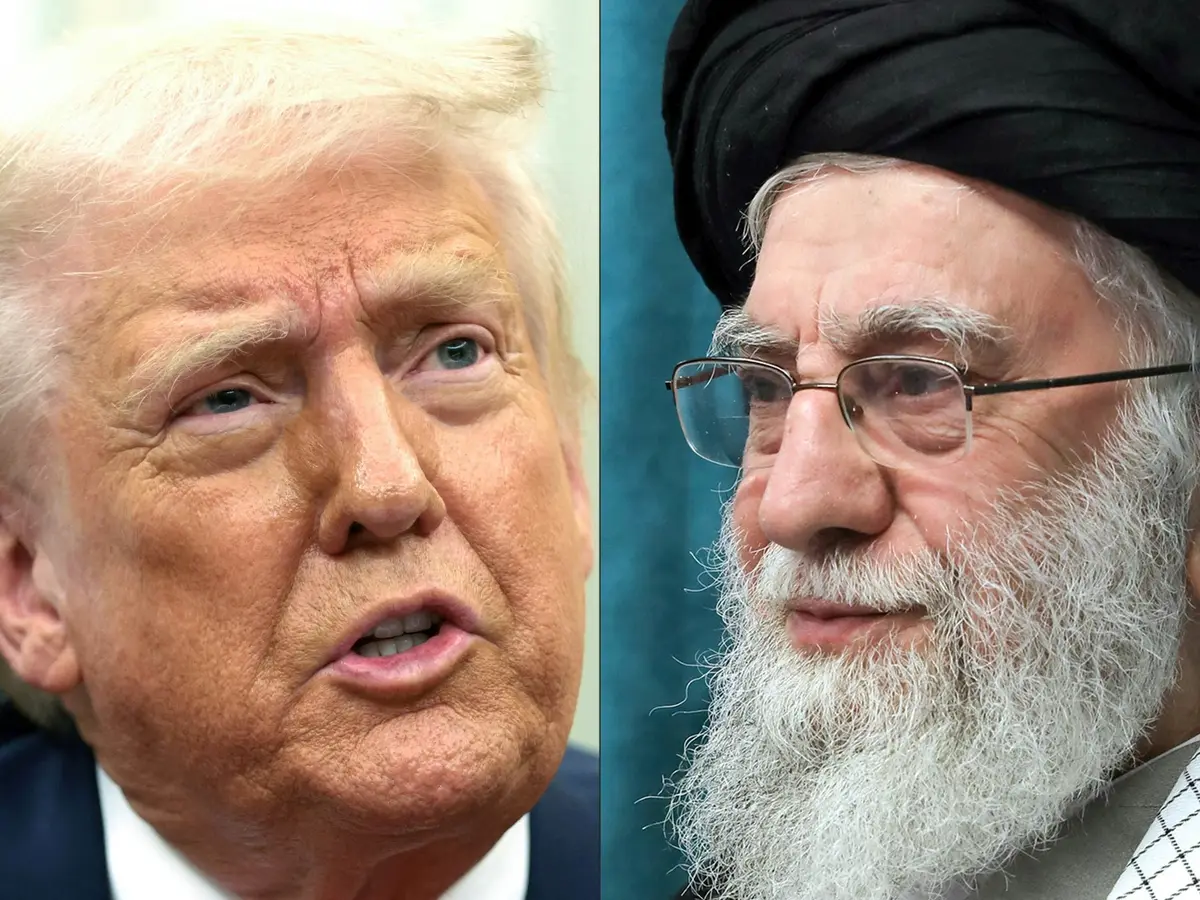
President Trump has responded by deploying thousands of additional Marines and 82nd Airborne Division members. Multinational corporations are re-evaluating their Gulf presence, and markets are pricing in a higher "geopolitical risk premium" for firms exposed to Middle Eastern logistics and energy production, indicating a prolonged conflict scenario delaying vital trade route reopening into the second half of 2026.

Thread Timeline: US-Iran War Intensifies with Escalating Military Engagements

Apr 2, 2026Trump Declares Victory; Iran Threatens War, Fuel Prices Soar
Apr 3, 2026Trump Threatens Iran; Tehran Fortifies for Ground War
Apr 4, 2026Iran Drone Devastates US Embassy, Escalates Mideast Conflict
Apr 4, 2026

Iran Downs US Warplanes; Geopolitical Risk Surges(current)

Apr 4, 2026US Special Forces Enter Iran for Downed Pilot

Read More On

Iran Uses Asymmetric Warfare to Inflict Pain From a Weakened Positionwsj.comIran’s asymmetric warfare challenges US - Semaforsemafor.comIran’s asymmetric strategy yields tactical wins as U.S. warplane losses mount - Investing.cominvesting.comWhat asymmetric warfare may tell us about Iran’s fighting chances - Al Jazeeraaljazeera.comIran is using asymmetric warfare to inflict pain from a weakened position - The Australiantheaustralian.com.au

Related Articles

Economy★★★Similarity: 77% · 13h ago

The Iran War Is Making the American Economy More Dominant Than Ever

America’s role as a major oil-and-gas exporter tempts President Trump to walk away from the Strait of Hormuz and wield leverage over others.

World★★★Similarity: 75% · 20h ago

Trump’s Mission Impossible for Allies: Reopening the Strait of Hormuz

European leaders say forcing the passageway open militarily is unrealistic and more likely to come about through international pressure.