News
Energy · Geopolitics · Middle East · Oil
The Iran war, involving the US, Israel, and Iran, has caused extensive damage to dozens of Middle Eastern energy facilities, including refineries, gas plants, and ports, over five weeks, leading to significant market volatility despite a declared ceasefire.
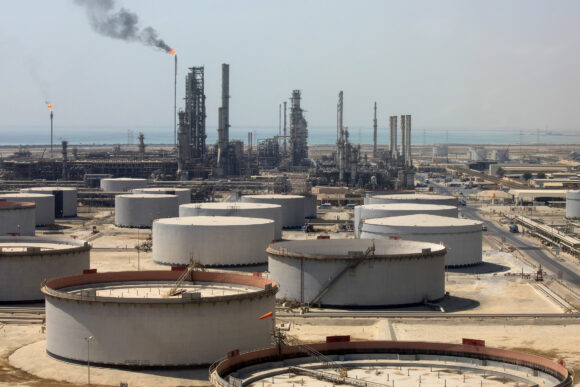
Missile and drone strikes have hit critical infrastructure across the UAE (Ruwais refinery, Habshan, Shah gas facilities, Das Island LNG, Al Taweelah aluminum, Fujairah, Jebel Ali, Khor Fakkan ports), Saudi Arabia (Ras Tanura, Samref refineries, Shaybah oil field, Yanbu port), Bahrain (Bapco Energies, Gulf Petrochemical Industries Co., Alba aluminum, Khalifa Bin Salman port), Kuwait (Kuwait National Petroleum Co., Petrochemical Industries Co., Mina Al-Ahmadi, Mina Abdullah refineries), Iraq (Lanaz refinery, Majnoon oil field), Qatar (Ras Laffan LNG), and Oman (Sohar, Mina Al Fahal, Salalah ports). US President Donald Trump threatened Iran over the Strait of Hormuz.
Despite Trump announcing a ceasefire, Iran continued attacks on Gulf neighbors' oil facilities and Saudi Arabia's East-West Pipeline, while Israel escalated strikes on Lebanon. World financial markets initially rallied, with Brent crude falling 15% to $94.50 a barrel and US stocks jumping, as reported by Reuters.
However, core disputes remain unresolved, including the Strait of Hormuz blockade and Iran's nuclear program. Pakistani Prime Minister Shehbaz Sharif invited delegations for talks in Islamabad.