
News
Energy · Geopolitics · Oil · Strait Of Hormuz
US-Iran talks failed after 21 hours in Islamabad, leading US President Donald Trump to order an immediate blockade of the Strait of Hormuz, causing Brent crude to jump 7.41% to $102.25 a barrel and WTI to rise 8.7% to $104.97.
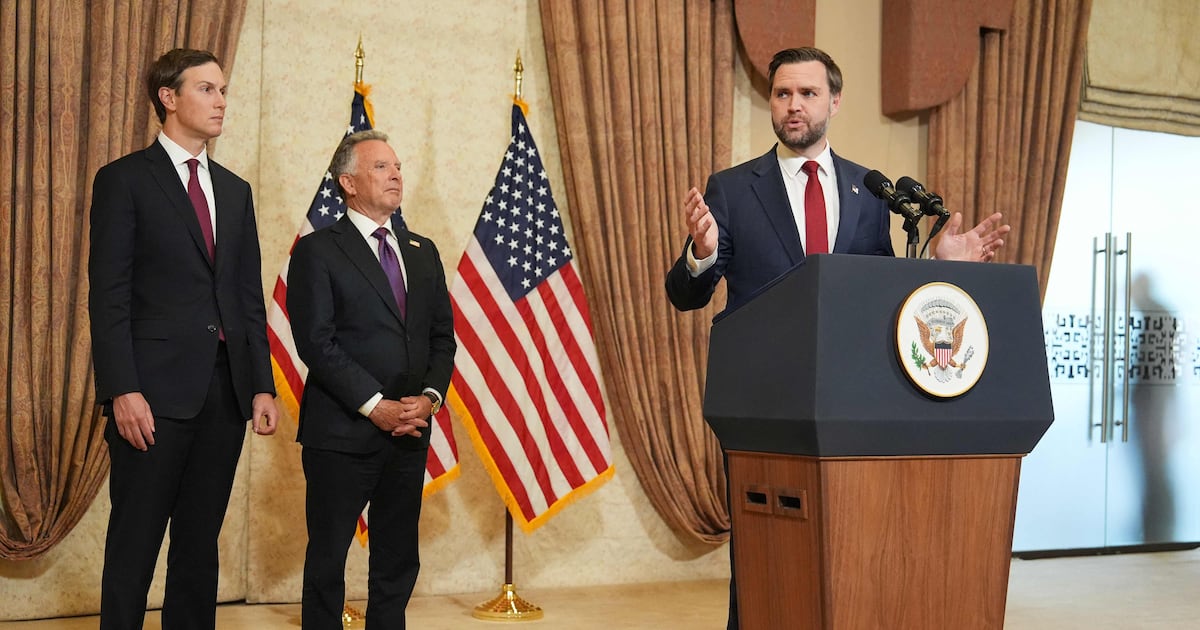
Pakistan-brokered negotiations, announced by US Vice President JD Vance, concluded without a deal, leaving future discussions uncertain. President Trump's directive mandates the US Navy to blockade the Strait of Hormuz, interdict vessels that paid tolls to Iran, and clear naval mines, significantly escalating maritime tensions.
This action follows a period of extreme oil price volatility, including Brent's 60% surge in March and a significant drop last week after a temporary ceasefire. Michael Brown, senior research strategist at Pepperstone, characterized the market reaction as a "textbook risk-off fashion," driven by conflict escalation.
Jorge Montepeque, managing director at Onyx Capital Group, asserted that the US blockade, if fully implemented, will lead to a short-term oil price spike to $140-$150 per barrel, far exceeding current levels, due to a potential supply loss of up to 12 million barrels a day. Energy consultancies Wood Mackenzie and FGE NexantECA project oil prices will reach $200 a barrel this year if the Strait remains closed.
Dr Sultan Al Jaber, Minister of Industry and Advanced Technology and managing director and group chief executive of Adnoc, denounced Iran's effective closure of the Strait as an illegal, dangerous, and unacceptable disruption to global economic lifelines and a direct threat to global security.
US-Iran Talks Fail, Trump Blockades Hormuz, Oil Surges(current)

