News
Blockade · Geopolitics · Iran · Oil
The United States intensified economic and military pressure on Iran through a naval blockade, despite President Donald Trump's claims of an imminent resolution, with officials warning the impact could take months or longer to force a deal.
Washington demands Iran freeze uranium enrichment for at least 20 years and remove enriched material, while Tehran offers only a shorter-term freeze and insists on retaining its stockpile. Talks via Pakistan yielded no breakthroughs, with both sides remaining far apart.
Officials and analysts state Iran will take months or longer to feel enough economic pain from the blockade to concede. The US Navy is prepared to sustain the blockade indefinitely, though this strains military resources and reduces flexibility in other strategic theaters.
Hardline elements within Iran's regime are gaining influence following recent military losses, complicating negotiations. Regional allies like Saudi Arabia urge caution, warning escalation could disrupt global energy routes.
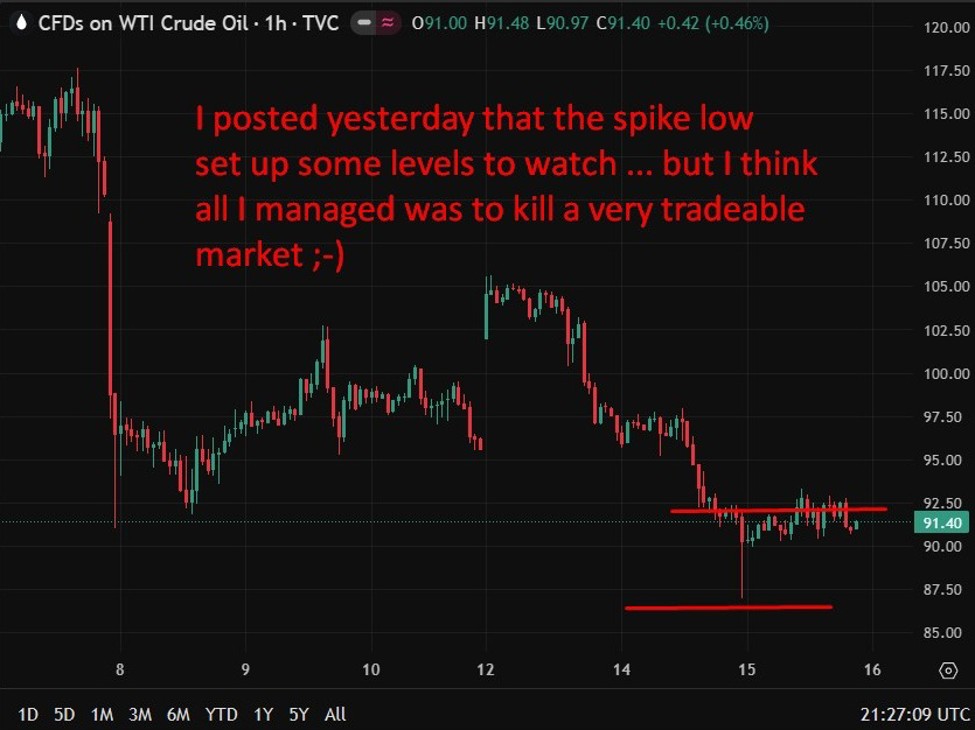
The US strategy hinges on sustained pressure, but the timeline for concessions remains highly uncertain, suggesting expectations of a prolonged energy risk premium. Oil volatility and shipping disruptions remain key concerns, while any delay in a deal extends upside risks to inflation and global growth uncertainty.
US Blockade on Iran Extends Oil Risk Months(current)