News
Middle East Geopolitics · Oil Markets · Pakistan Mediation · US-Iran Talks
US Vice President JD Vance, along with envoys Steve Witkoff and Jared Kushner, is expected to meet Iranian officials in Islamabad this week, following a call between President Donald Trump and Pakistan’s army chief, Gen.
Asim Munir, as Pakistan positions itself as a mediator in the ongoing conflict. Pakistan, a U.S. ally not targeted by Iran during the war, facilitates backchannel diplomacy, according to Reuters and the Financial Times.
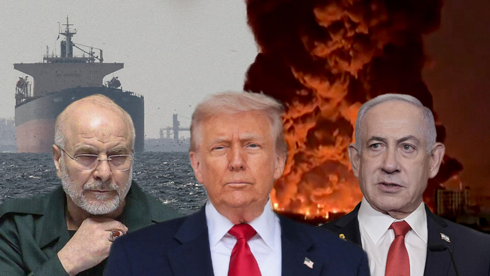
Israeli officials, including Prime Minister Benjamin Netanyahu, express concern that President Trump will accept a deal falling short of Washington's stated red lines, which include removing enriched uranium, halting Iran's nuclear program, restoring International Atomic Energy Agency (IAEA) inspections, limiting ballistic missiles, and ending support for militant groups. Trump also insists on reopening and overseeing the Strait of Hormuz.
Iran demands guarantees against attack, closure of U.S. bases, and compensation for damages, while indicating willingness to dilute enriched uranium but not relinquish enrichment rights. Israeli skepticism persists regarding Tehran's agreement to these terms, viewing them as surrender, and fears Iran uses talks to buy time.
Netanyahu dispatched adviser Ron Dermer to Washington to influence the emerging agreement. A senior Iranian official, Mohsen Rezaee, warned of severe retaliation if the U.S. strikes infrastructure, stating, "This time it will not be an eye for an eye, but a head for an eye." Rezaee also claimed a deep rift between the U.S. and Israel will emerge.
US, Iran Hold Pakistan Talks; Israel Fears Concessions(current)