News
Asian Equities · Geopolitics · Oil Markets · Semiconductors
Asian equities broadly rose and oil prices stabilized on April 9, 2026, as the U.S. worked to maintain a fragile cease-fire and prepare for U.S.-Iran talks in Pakistan, with TSMC's March revenue soaring 45%.
The U.S. raced to prevent Israel's war in Lebanon from jeopardizing the truce and derailing the upcoming U.S.-Iran negotiations. President Trump asked Israeli Prime Minister Benjamin Netanyahu to scale back attacks, concerned about undermining the cease-fire and efforts to reopen the Strait of Hormuz.
Vice President JD Vance leads the U.S. delegation for talks in Islamabad this weekend, as reported by The Wall Street Journal. Oil prices remained relatively stable, with front-month Brent crude up 0.8% to $96.63 a barrel and WTI crude up 1.0% to $98.88 a barrel. This stability reflects market participants' hopes for a long-term deal.
Despite the cease-fire, Strait of Hormuz traffic remained significantly below normal, with only eight ships crossing compared to the usual 135 daily transits. Hamad Hussain, an economist at Capital Economics, noted WTI's premium over Brent widened due to near-term market tightness from Middle East supply loss.
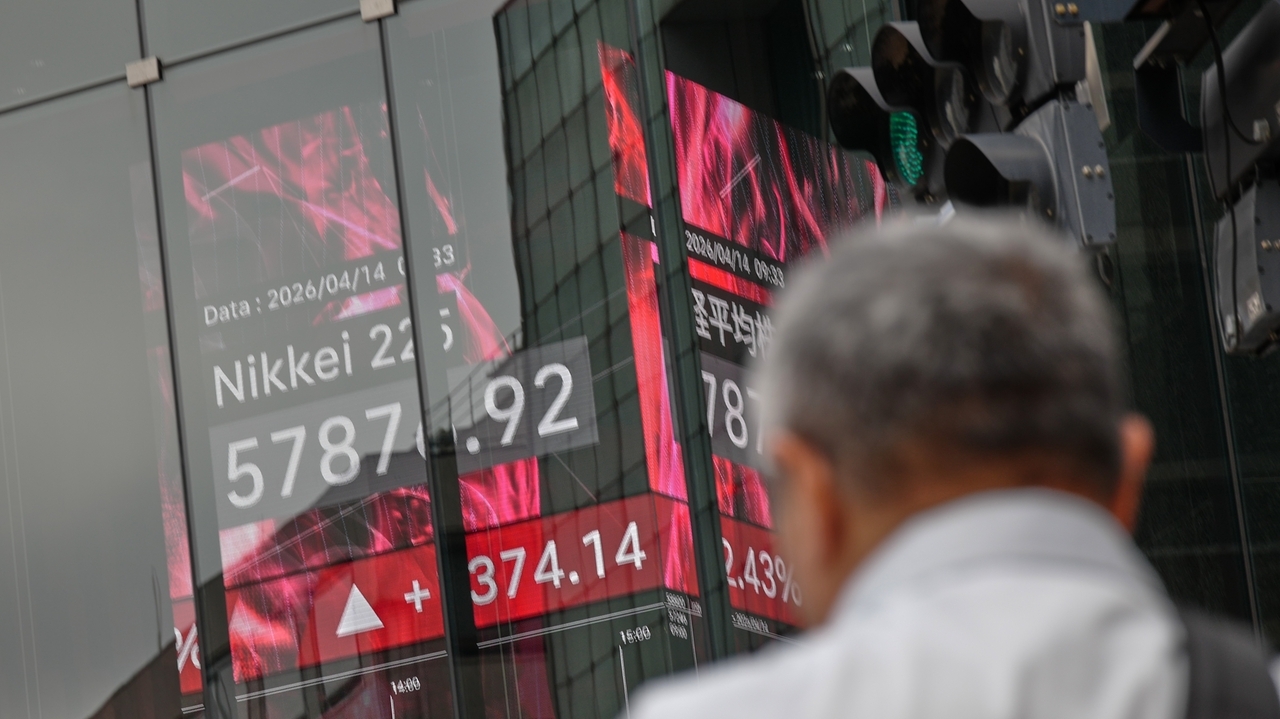
ANZ Research analysts project two million to three million barrels a day will return to markets in the first month if the strait reopens. Asian equities saw broad gains, driven by renewed risk-on sentiment. Japan's Nikkei Stock Average climbed 1.5%, South Korea's Kospi advanced 2.1%, Hong Kong's Hang Seng Index increased 0.8%, and China's Shanghai Composite Index rose 0.9%.
Technology shares, particularly chip stocks, led the rally, with SK Hynix up 3.6%, Samsung Electronics up 2.3%, and TSMC gaining 1.3%. Asian currencies mostly weakened against the dollar; the dollar edged 0.1% higher to 159.11 yen and rose 0.4% to 1,479.90 won.
US-Iran Talks Stabilize Oil, Boost Asian Equities(current)