News

Ceasefire · Iran · Middle East Conflict · US
Pakistan presented a two-tier "Islamabad Accord" to the United States and Iran, proposing an immediate ceasefire and reopening the Strait of Hormuz, but Iran rejected reopening the Strait for a temporary truce and questioned US commitment to a permanent resolution.
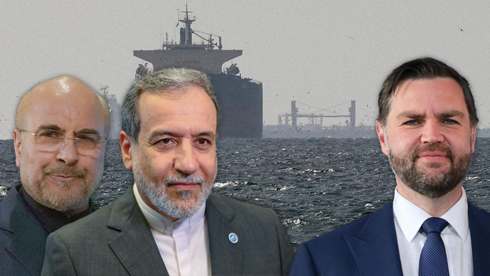
Pakistan, acting as the sole communication channel, coordinated the "Islamabad Accord" framework, which outlines an an immediate truce followed by 15 to 20 days for a comprehensive regional framework for the Strait. Field Marshal Asim Munir, Pakistan’s army chief, maintained continuous contact with US Vice President JD Vance, special envoy Steve Witkoff, and Iranian Foreign Minister Abbas Araghchi, with direct text communications also occurring between Witkoff and Araghchi.
A senior Iranian official confirmed to Reuters that Tehran received the proposal but emphasized Iran will not accept deadlines or pressure, nor will it reopen the Strait of Hormuz in exchange for a temporary ceasefire. Tehran also questioned the United States’ readiness to agree to a permanent ceasefire.
US, Israeli, and regional sources cited by Axios warned that reaching even a partial deal within 48 hours remains unlikely, with failure risking large-scale strikes on Iranian civilian infrastructure and retaliatory attacks on energy and water facilities in Gulf states.
Pakistan proposes ceasefire; Iran rejects temporary Strait deal(current)