News

Energy Markets · Geopolitics · Iran · Strait Of Hormuz
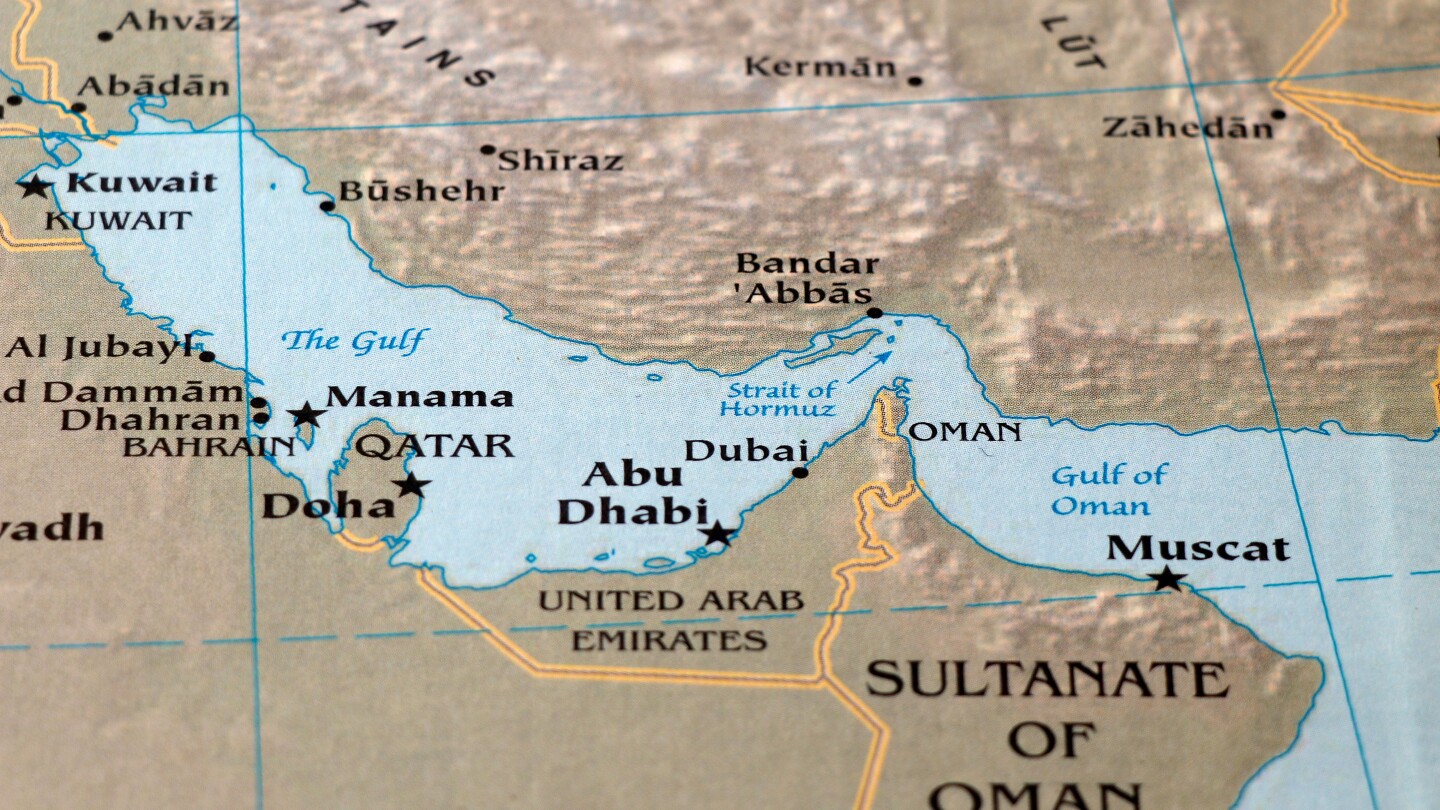
Iran's Islamic Revolutionary Guard Corps (IRGC) abruptly re-closed the Strait of Hormuz, reversing Foreign Minister Abbas Araghchi's declaration of its reopening, which signals a widening internal rift and undermines U.S.-brokered peace talks following Supreme Leader Ayatollah Ali Khamenei's death.
This public contradiction between Iran's diplomatic corps and its powerful military faction highlights the precarious nature of ongoing peace talks, as the IRGC responded with force, firing upon commercial vessels near the Omani coast. President Donald Trump faces significant challenges in securing a definitive end to the conflict, as the military faction holds substantial sway over strategic assets, contrary to the West's perception of a clear chain of command.
The episode illuminates deepening fractures within Iran's governance post-Khamenei, with hard-line elements operating with increased autonomy under the nation’s "mosaic defense" system, as noted by Saeid Golkar, an expert at the University of Tennessee at Chattanooga. The closure creates profound uncertainty for investors and energy markets, with U.S. naval blockades remaining in effect and IRGC commanders operating independently, making a stable, negotiated outcome increasingly fragile.
Iran Hard-liners Re-close Hormuz, Undermine Diplomacy(current)