
News
Geopolitics · Oil Prices · Strait Of Hormuz · US-Iran Conflict
The US military announced a blockade of Iranian ports, effective Monday at 10 a.m.
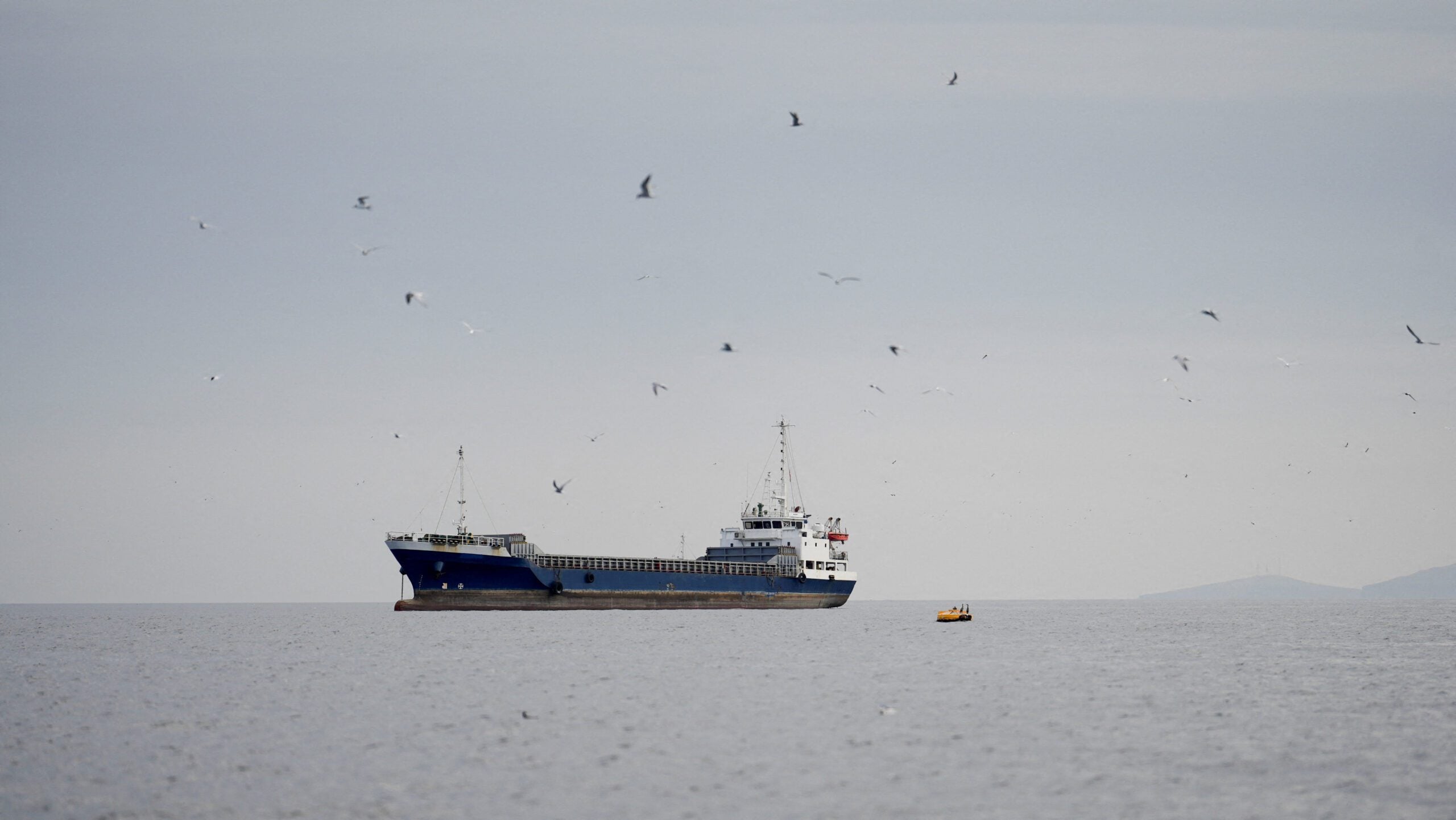
EDT, after US-Iran ceasefire talks in Pakistan ended without agreement, escalating the seven-week conflict and threatening global oil supplies. President Donald Trump declared the US Navy would swiftly blockade ships entering or leaving the Strait of Hormuz, though US Central Command (CENTCOM) clarified the blockade targets only Iranian ports, allowing transit for non-Iranian vessels.
This decision followed 21 hours of unsuccessful negotiations where Iran rejected US "red lines" including ending nuclear weapon pursuit and ceasing support for militant groups. The war has already killed thousands and disrupted global markets, with Brent crude oil prices fluctuating significantly.
Energy experts, including Michael Lynch from Energy Policy Research Foundation, estimate the blockade will remove 2 million barrels of oil per day from the market, boosting oil prices by $5 to $10 per barrel when markets open. Iran currently holds 21 million barrels of oil in floating storage, identified by Tankertrackers.com.
Security expert Andreas Krieg suggests Trump has limited leverage, predicting Iran can sustain the conflict longer than the global economy. Iran's Foreign Minister Abbas Araghchi accused the US of "maximalism" and "shifting goalposts," while Parliament Speaker Mohammad Bagher Qalibaf vowed Iran would fight back.
The blockade's scope and duration remain uncertain, with some experts anticipating it might be short-lived due to pressure from rising oil prices.
US Blockades Iran Ports; Oil Prices Jump(current)
