News

Inflation · Middle East Conflict · Oil Prices · Strait Of Hormuz
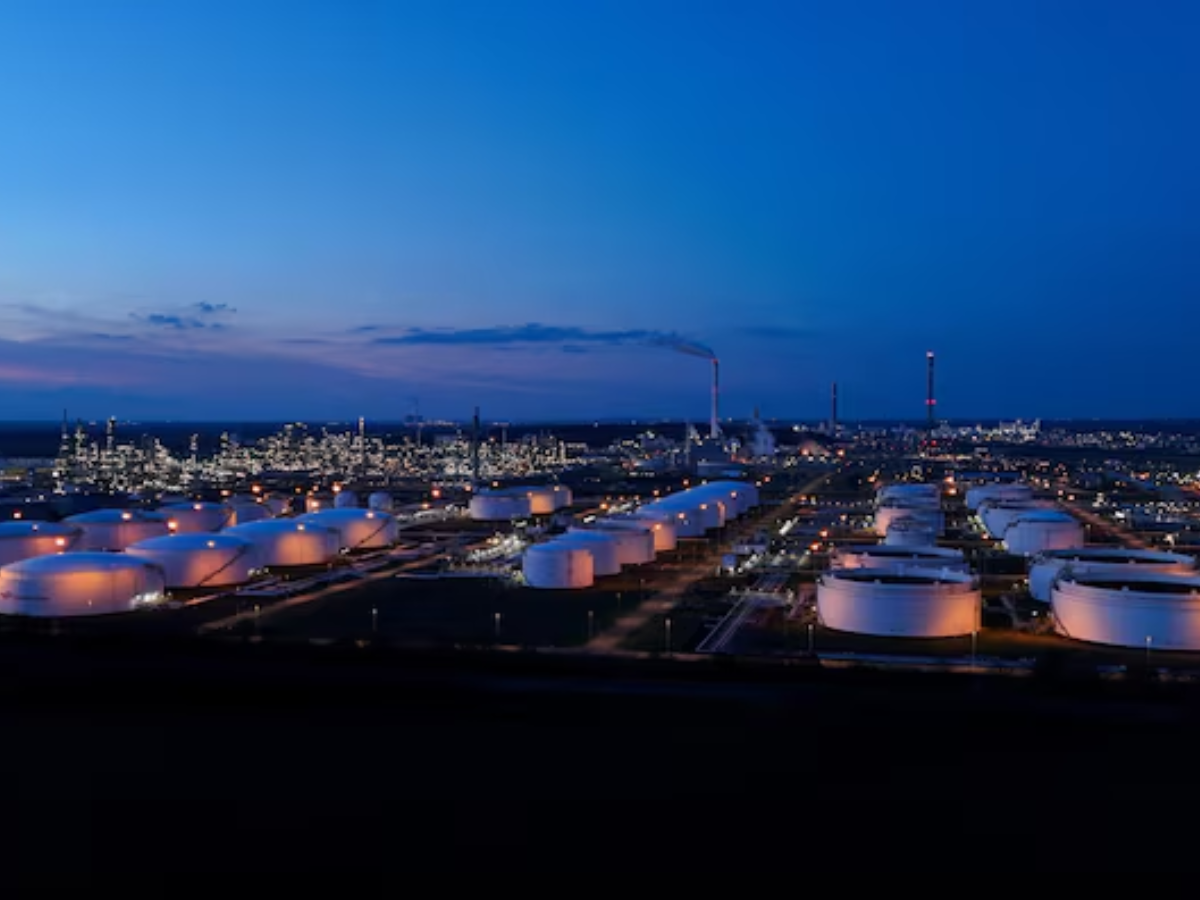
Iran's Revolutionary Guards threatened to close the Strait of Hormuz, a critical global oil trade chokepoint, after US-Israeli attacks on Iran, causing international Brent crude to surge 3.4% to $83.14 per barrel and US WTI to rise 3.5% to $76.17 per barrel.
This threat followed US and Israeli attacks on Iran on February 28, despite ongoing negotiations between Tehran and Washington. Brig.
Gen. Ebrahim Jabbari, an adviser to Iran's Revolutionary Guards, warned that any ships attempting to transit the waterway would be targeted.
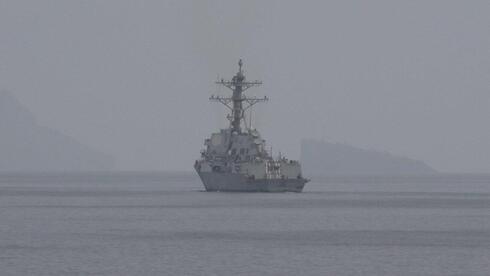
In response, Iraq's Oil Ministry halted oil production at the Rumaila field in Basra. US President Donald Trump announced that political risk insurance and guarantees would be provided for maritime trade in the Gulf, particularly energy shipments, and stated the US Navy would escort tankers through the Strait of Hormuz if necessary.
Markets are focused on concerns that the conflict will weigh on global trade and reignite inflationary pressures. Analysts warn rising energy prices will fuel inflation and complicate policy decisions for the US Federal Reserve.
Minneapolis Fed President Neel Kashkari stated it was too early to assess the conflict's impact on inflation, while New York Fed President John Williams noted additional rate cuts would be considered if inflation continues to ease.
Houthi Attacks Elevate Shipping Costs, Disrupt Global Trade
Iran Threatens Hormuz, Oil Prices Surge 3.5%(current)