News

Geopolitics · Iran · Oil Exports · Strait Of Hormuz
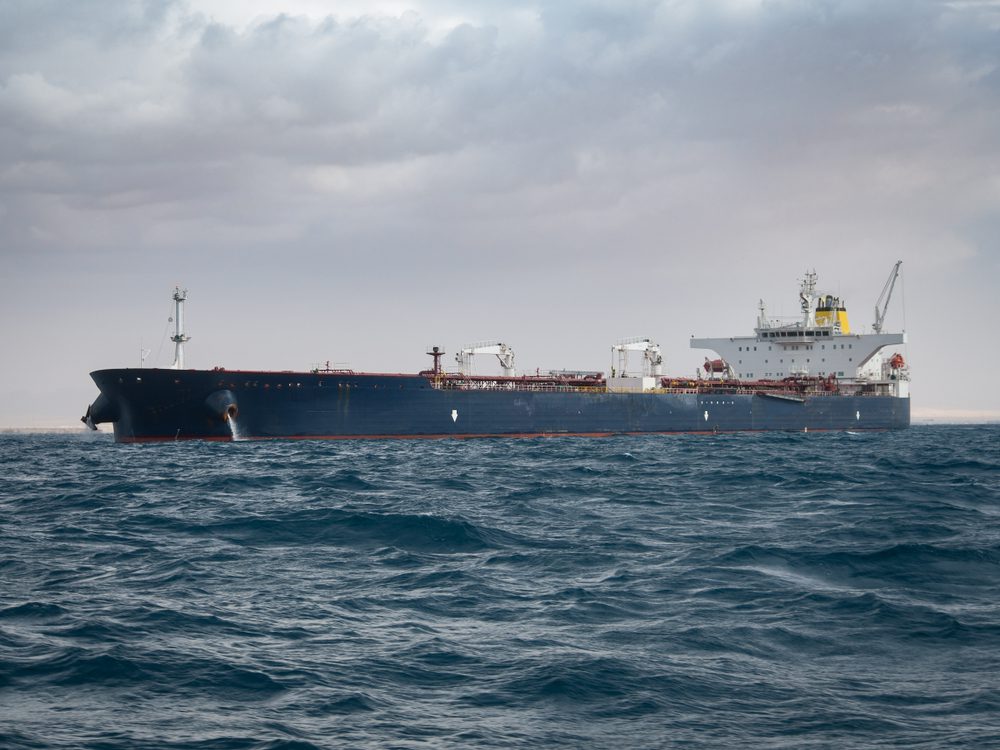
About 90 ships, including 16 oil tankers, crossed the Strait of Hormuz between March 1 and 15, 2026, despite the ongoing war and attacks, allowing Iran to export over 16 million barrels of oil, according to Lloyd’s List Intelligence and Kpler.
This activity occurs as most shipping traffic through the Strait, which supplies one-fifth of the world's crude oil, has been halted since early March, causing crude prices to spike over $100 a barrel, a 40% jump since the war began. Many vessels were "dark" transits evading Western sanctions, with China identified by Kpler as the biggest buyer of Iranian oil.
Iran has managed to profit from these sales and preserve its export artery by leveraging control over the chokepoint, as noted by Kun Cao of Reddal. India-flagged LPG carriers and a Pakistan-flagged crude oil tanker successfully transited after diplomatic talks with Iran, with Iraq also in negotiations.
U.S. Treasury Secretary Scott Bessent confirmed the U.S. allows Iranian oil tankers to cross to supply the world. The Strait is not simply closed but functions selectively for Iranian exports and a narrow set of tolerated non-Iranian movements, according to Cao.
Houthi Attacks Elevate Shipping Costs, Disrupt Global Trade
Iran Maintains Oil Exports, Hormuz Strait Partially Open(current)