News
)
Geopolitics · Gulf Security · Iran War · Oil Markets
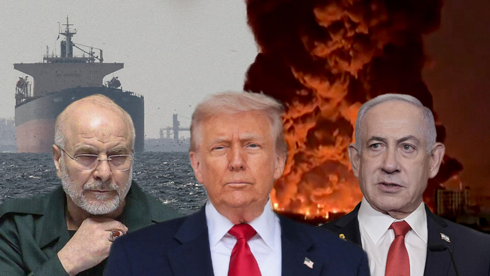
The ongoing Iran-Israel-US war, now in its third phase after a two-week ceasefire, has profoundly unsettled the Gulf's long-standing security order, exposing the fragility of its reliance on American protection and prompting Gulf states to diversify their strategic responses.
This conflict, which the White House terms "Operation Epic Fury," has transcended the battlefield, reordering markets and sharpening geopolitical calculations across West Asia. For decades, Gulf monarchies built stability and investor confidence on a bargain where American power secured Gulf energy interests, a stance solidified by the 1980 Carter Doctrine and the 1991 liberation of Kuwait.
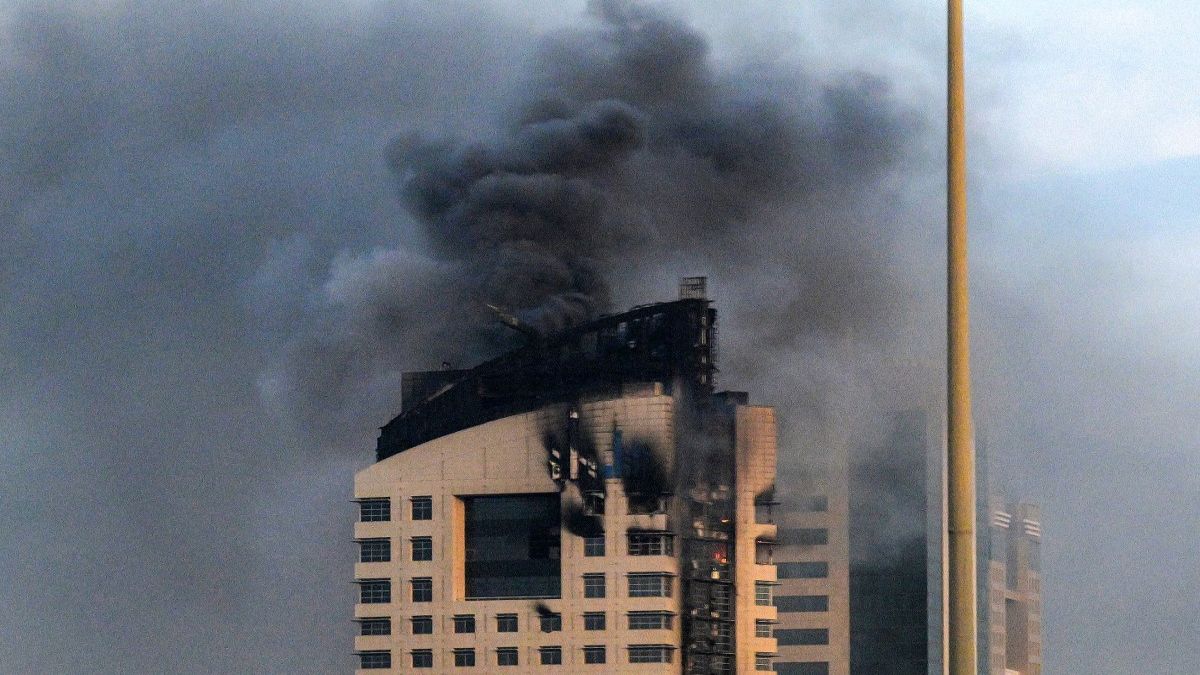
This arrangement underwrote a political and economic model that now faces significant disturbance. The war's impact extends beyond violence to a deep erosion of confidence, reminiscent of the September 2019 attacks on Abqaiq and Khurais, which temporarily halted 5.7 million barrels a day of Saudi oil production, representing 5 percent of global supply.
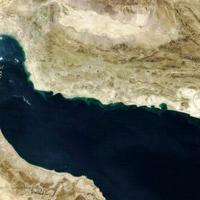
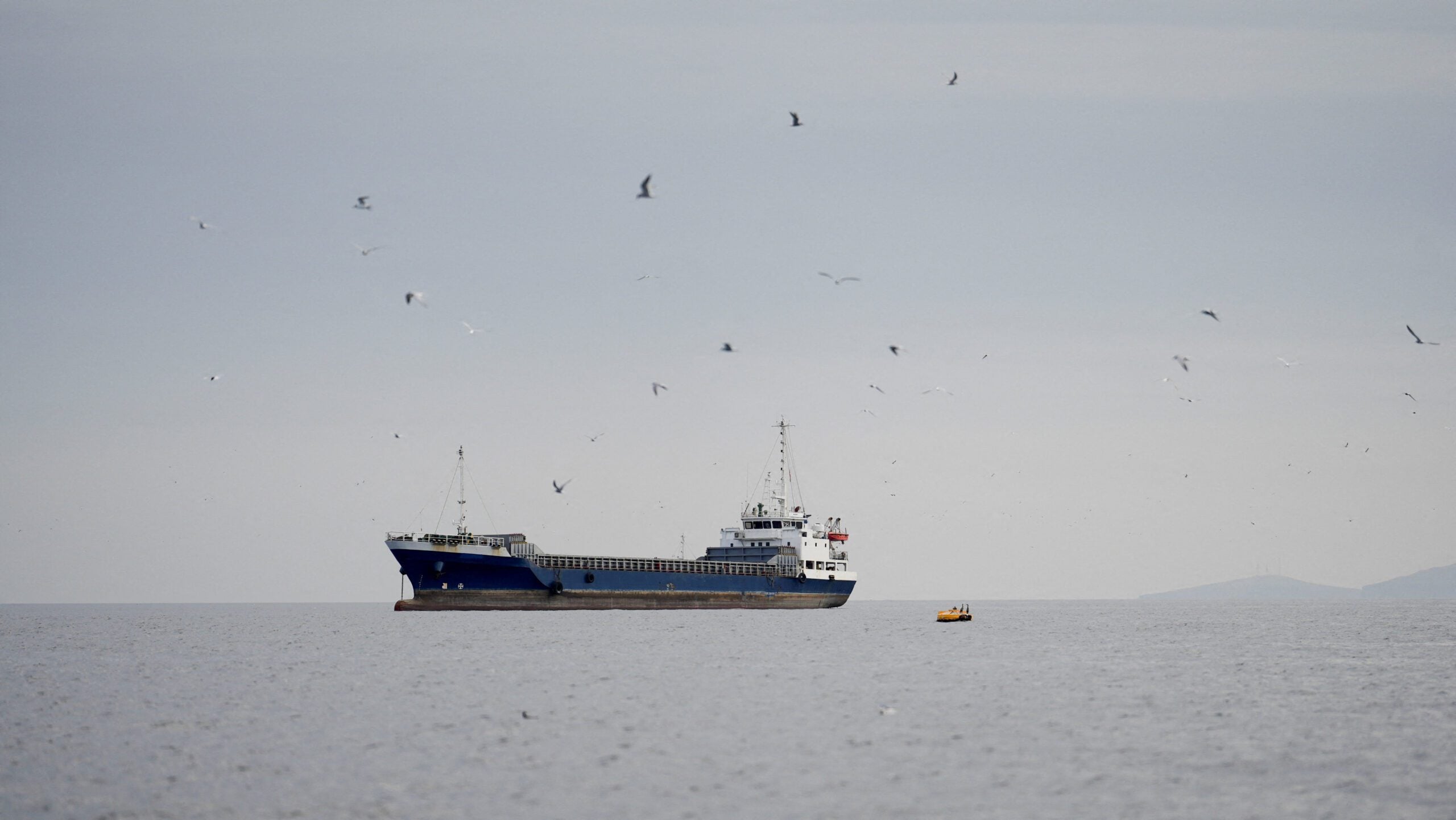
Gulf states exhibit divergent strategic calculations: Saudi Arabia, the UAE, Kuwait, and Bahrain adopt a harder line on Tehran, while Oman and Qatar prioritize mediation. The Strait of Hormuz remains a critical pressure point, operating under fragile conditions.
While the American security order still dominates, its previous ease has vanished, compelling Gulf rulers to cautiously rely on Washington while simultaneously investing in layered defense, strategic hedging, and widening diplomatic channels to mitigate single-point exposure.
Houthi Attacks Elevate Shipping Costs, Disrupt Global Trade
Iran War Unsettles Gulf Security, US Protection Questioned(current)