News
Energy Prices · Food Inflation · Middle East Conflict · UK Economy
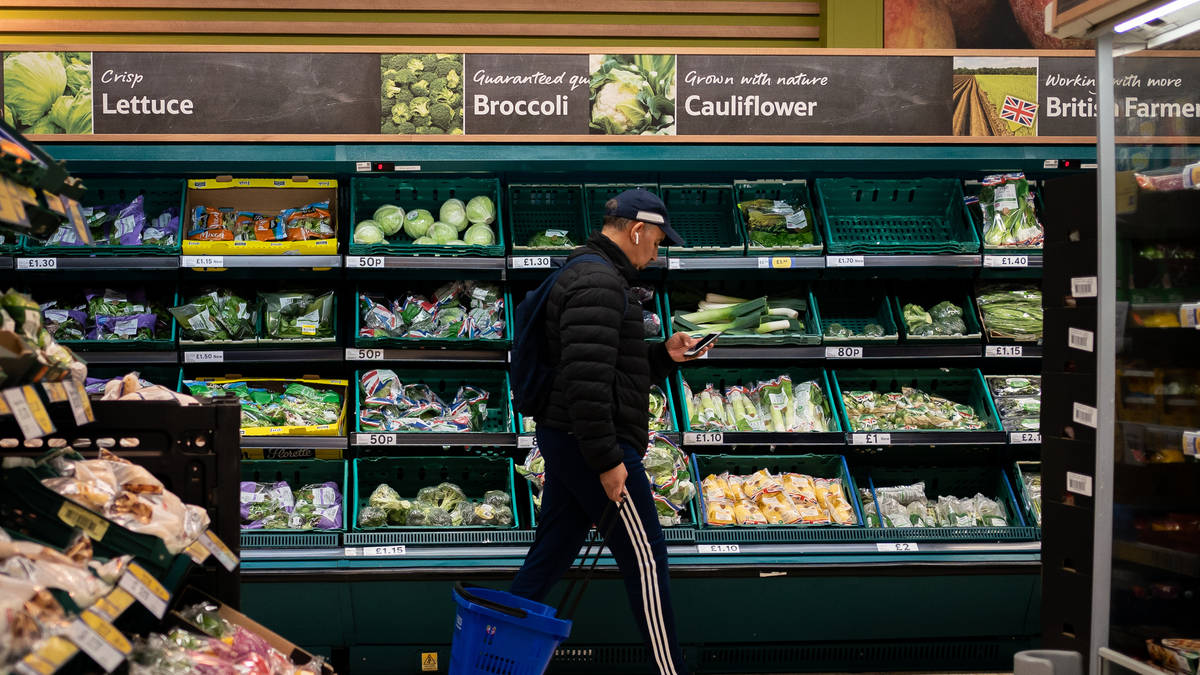
The Food and Drink Federation (FDF) has significantly increased its forecast for UK food inflation, now predicting it will reach at least 9% by the end of 2026, a substantial jump from its September 2025 forecast of 3.2%, due to the Middle East conflict's impact on global energy markets.
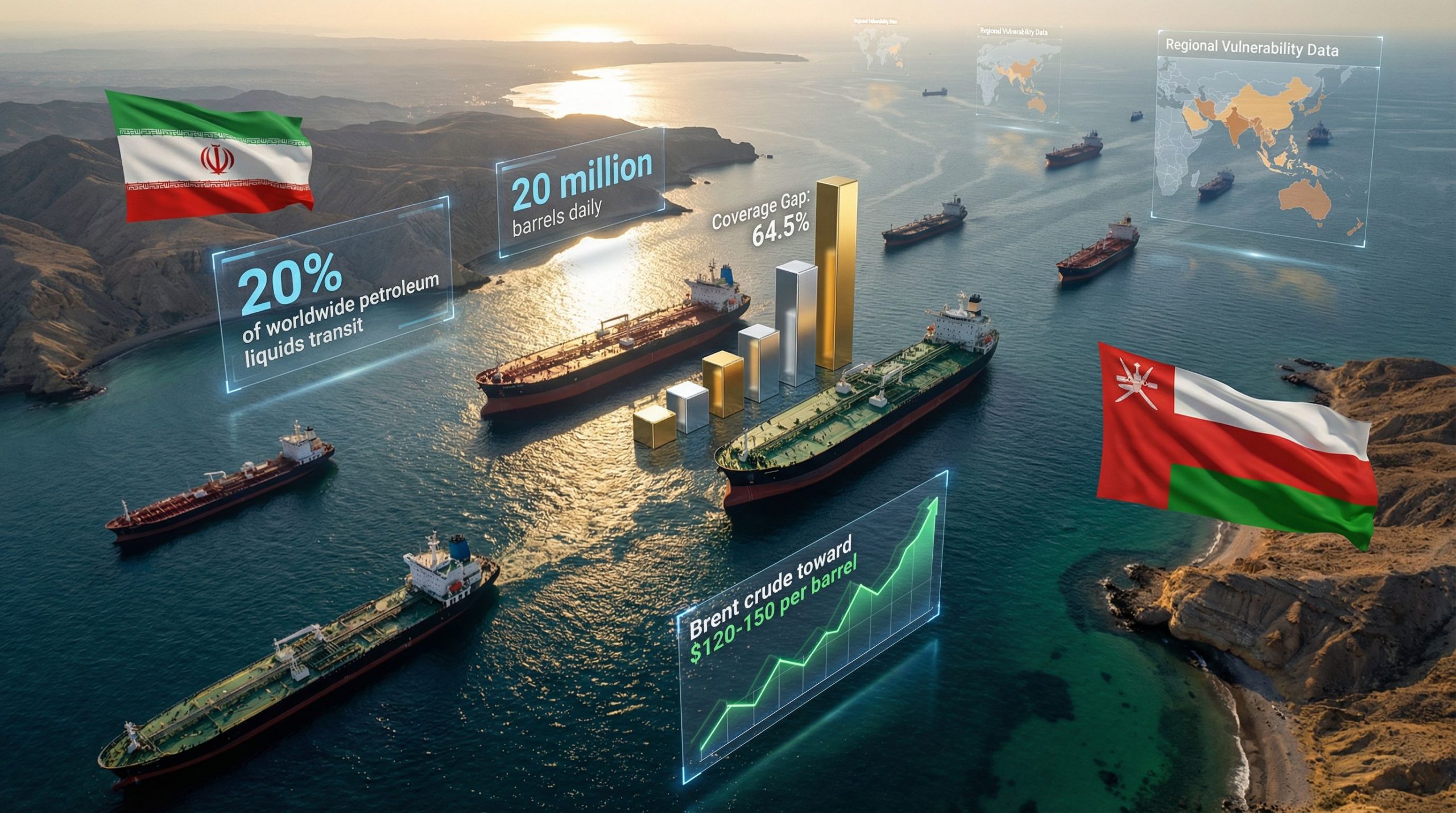
This revision stems directly from the Middle East conflict, which has effectively closed the Strait of Hormuz and damaged energy infrastructure, driving Brent crude oil and natural gas prices to their highest levels since 2022. The FDF, representing 12,000 food and drink manufacturers, bases its revised forecast on the assumption that the Strait of Hormuz reopens to cargo traffic within two to three weeks and key energy facilities normalize within a year.
The disruption immediately impacts UK manufacturers' production costs due to the industry's high energy intensity. While larger businesses hedge energy contracts, they anticipate sharp price increases upon renewal, and smaller producers, buying energy "on the spot," already face higher prices.
Dr. Liliana Danila, FDF’s chief economist, stated that manufacturers are experiencing mounting energy, transport, and packaging costs, alongside supply chain disruptions, making price increases unavoidable despite companies' efforts.
Sir Keir Starmer is expected to address the cost of living, and Chancellor Rachel Reeves will meet with supermarket bosses and regulators to discuss consumer impacts.
Houthi Attacks Elevate Shipping Costs, Disrupt Global Trade
Middle East War Drives UK Food Inflation to 9%(current)