News
Bank Of England · Geopolitics · Supply Chain Costs · UK Inflation
UK shop price inflation increased to 1.2% year-on-year in March, up from 1.1% in February, as British retailers reported that the Iran war is beginning to elevate supply chain costs, raising concerns for the Bank of England regarding inflation expectations.
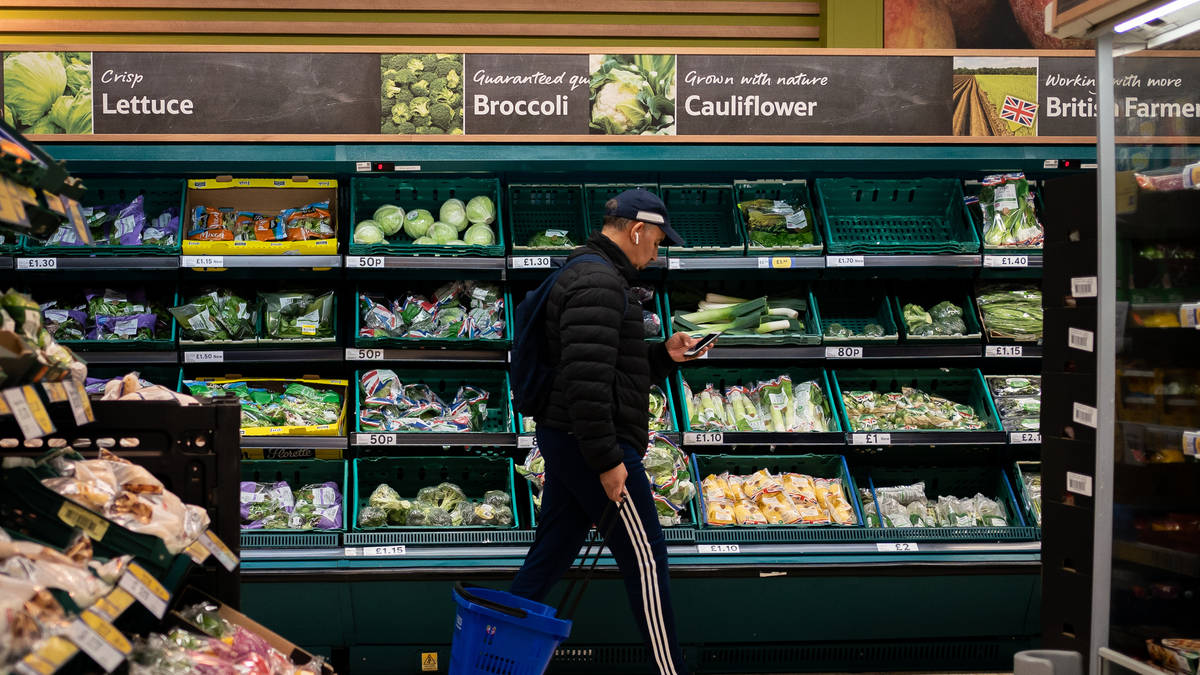
Data from the British Retail Consortium confirmed the rise. Food price inflation eased modestly to 3.4% from 3.5% previously, while non-food prices turned positive, rising 0.1% after a decline in February.
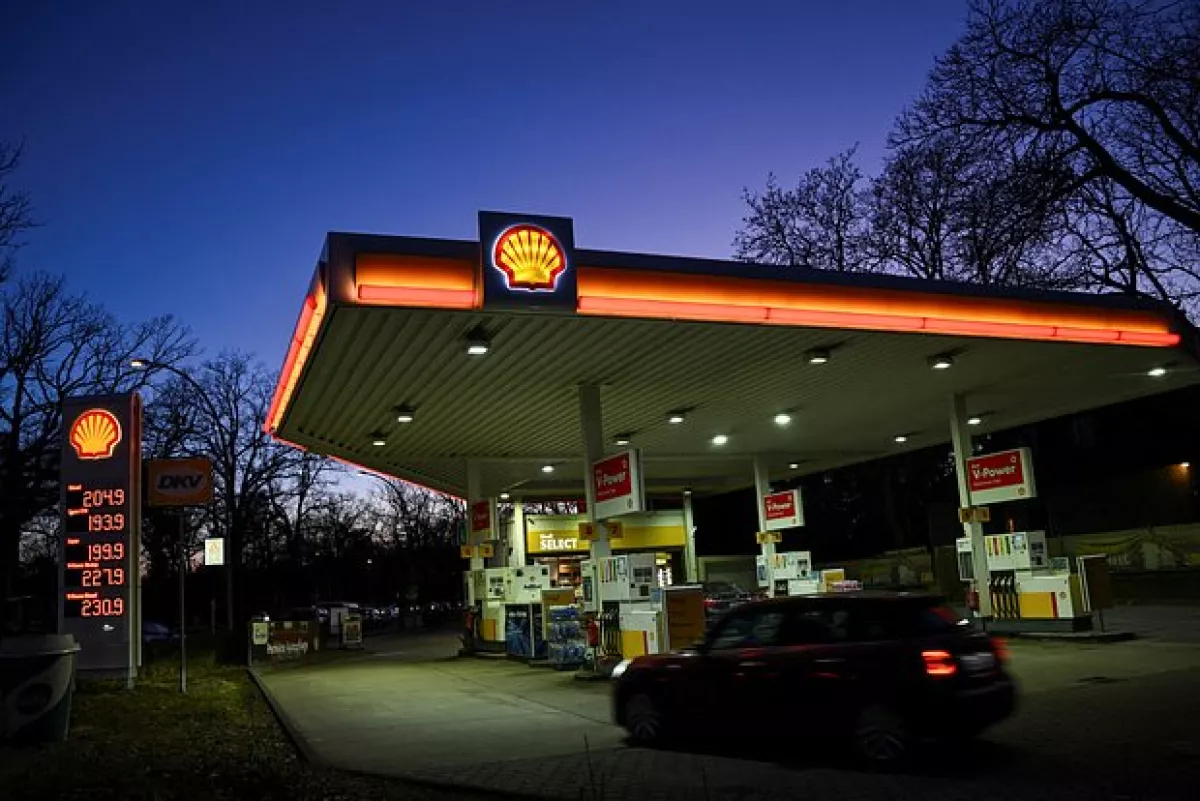
Retailers warn that higher energy and transport costs stemming from the Middle East conflict are working their way through supply chains, and firms cannot absorb all these cost increases. Domestically, new labor market measures and regulations for healthier food standards are also expected to raise operating expenses.
The Bank of England closely monitors food prices due to their influence on consumer inflation expectations, which have risen to their highest levels since 2023. This combination of geopolitical disruption and domestic cost pressures points to a more challenging inflation outlook, particularly if energy prices remain elevated, reinforcing the Bank of England's concerns about second-round inflation risks and supporting UK yields.
UK Shop Prices Rise, Geopolitics Fuel Inflation(current)
Asia FX Plummets; Japan CPI Misses BOJ Target