News
Energy Costs · Geopolitics · Inflation · South Korea
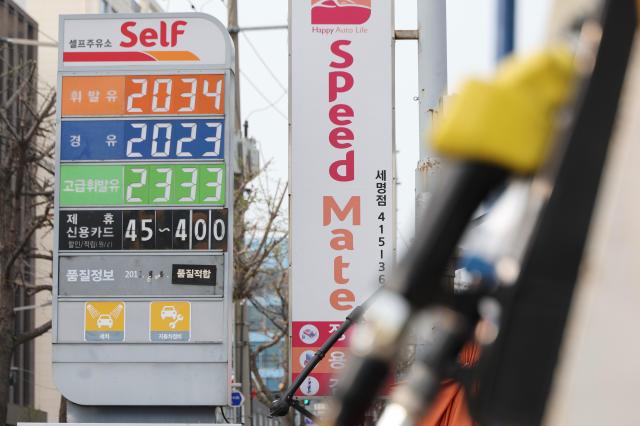
South Korea's consumer price index (CPI) inflation rose 2.2% in March from a year earlier, up from 2.0% in February, driven by higher oil prices and increased shipping costs linked to disruptions from the Iran war, pushing inflation above the central bank’s target.
The Ministry of Data and Statistics released these figures on Thursday, marking the first inflation reading since the Middle East conflict began affecting energy markets. The March increase of 2.2% was below analyst expectations for a 2.4% rise, indicating some moderation compared to forecasts.
On a monthly basis, consumer prices climbed 0.3% in March, also falling short of market expectations for a 0.6% gain, and matched February's 0.3% month-over-month increase. Core consumer prices, which exclude volatile food and energy components, increased 2.2% from a year earlier in March and gained 0.1% from the previous month.
This inflation data reflects the significant impact of surging energy costs on South Korea’s import-reliant economy, despite government efforts to contain price pressures, as the nation is a major energy importer, especially of oil and gas from the Middle East.
Asia FX Plummets; Japan CPI Misses BOJ Target
South Korea Inflation Rises on Iran War Energy Shock(current)