News
Central Banks · Inflation · Interest Rates · Oil Shock
The US Federal Reserve, European Central Bank, Bank of England, and Bank of Japan are holding scheduled meetings this week, with all major central banks expected to keep borrowing costs on hold despite growing fears that the Middle East war's energy shock could fuel inflation and weigh on global growth.
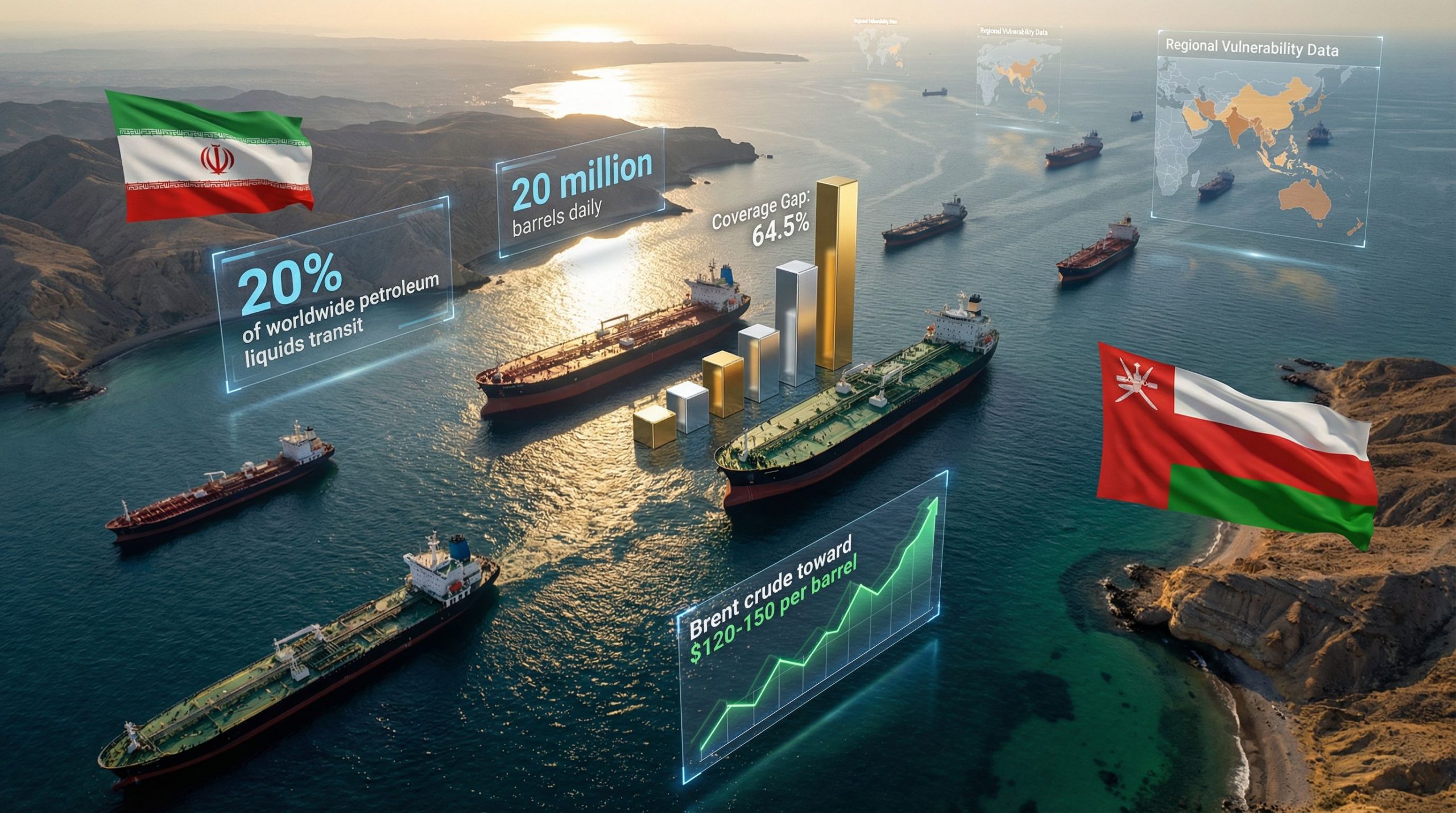
The conflict, involving US-Israeli strikes on Iran and Iranian attacks on energy infrastructure, has closed the Strait of Hormuz, causing oil and gas prices to surge. This raises concerns about a repeat of the 2022 Ukraine war inflation shock, which saw inflation top 10 percent in the eurozone and nine percent in the US.
UniCredit analysts state most central banks will remain on hold to assess the energy price impact. Wells Fargo economist Nicole Cervi notes the Fed faces a "tough spot" balancing inflation near two percent and full employment, with inflation already above target and labor market weakness emerging.
ECB President Christine Lagarde will reiterate rates are in a "good place" and the bank is ready to act, as stated by Jack Allen-Reynolds, deputy chief eurozone economist at Capital Economics, who emphasizes the ECB will not "panic" or rush to react to volatile energy prices. The Bank of Japan, unlike its Western peers, has been hiking rates, and while not expected to tighten now, some analysts believe higher energy costs could prompt an April hike.
Allen-Reynolds also highlights that the current economic backdrop differs from 2022's "perfect storm" of loose policy and supply constraints.
Asia FX Plummets; Japan CPI Misses BOJ Target
Central Banks Hold Rates Amid Oil Shock Fears(current)