News

Geopolitics · Inflation · Oil Prices · Stock Market
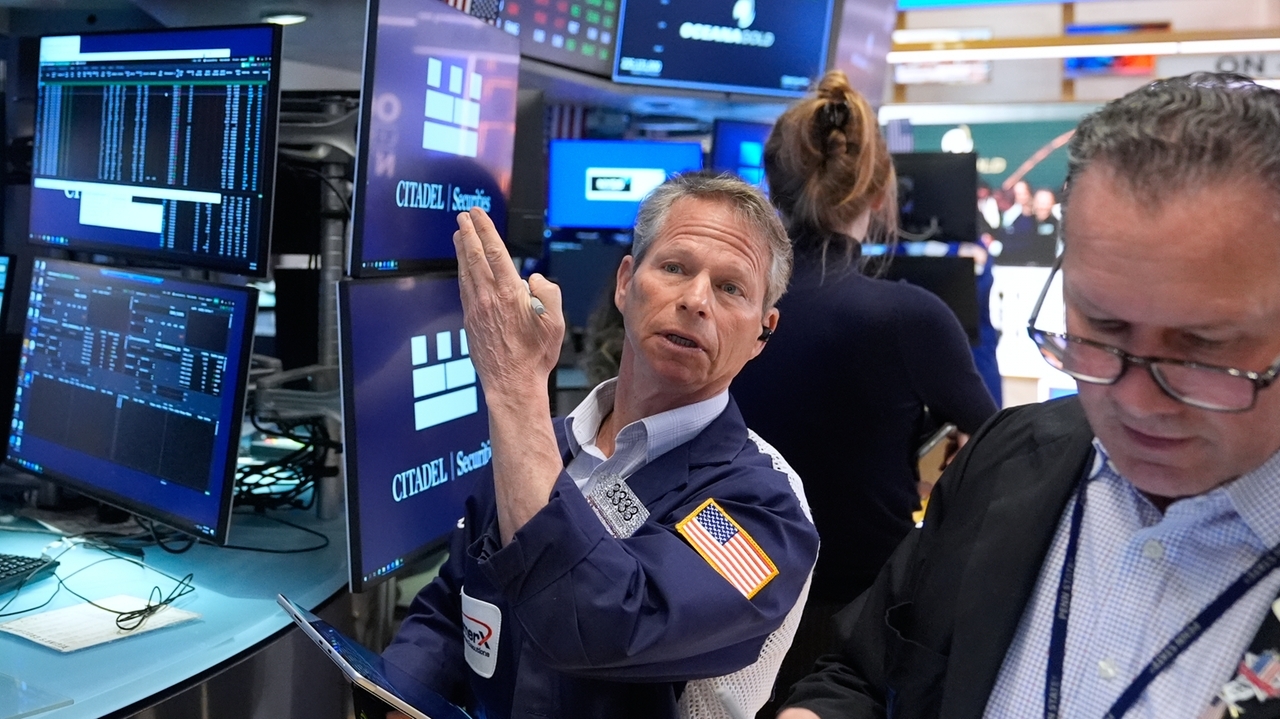
The U.S. stock market experienced its best day since the Iran war began, with the S&P 500 climbing 1%, the Dow Jones Industrial Average adding 0.8%, and the Nasdaq composite jumping 1.2%, driven by a significant drop in oil prices.
Benchmark U.S. crude fell 5.3% to US$93.50, and Brent crude dropped 2.8% to US$100.21, providing a reprieve after prices spiked from roughly US$70 due to Iran's near halt of traffic through the Strait of Hormuz. Financial markets worry that a prolonged closure of the strait could drive inflation to debilitating levels, but professional investors expect a quick rebound from military conflicts as long as oil prices do not remain too high for too long.
The S&P 500 is only 4% below its all-time high, and Paul Christopher, head of global investment strategy at Wells Fargo Investment Institute, suggests mounting escalations indicate both sides face growing constraints preventing a long conflict. Companies with high fuel bills, such as Norwegian Cruise Line Holdings (up 5.1%) and United Airlines (up 4.2%), benefited from falling oil prices.
National Storage Affiliates leaped 30% after Public Storage announced an all-stock acquisition valued at US$10.5 billion, while Dollar Tree rose 6.4% on stronger-than-expected profit. Nebius Group's stock jumped 15% on a five-year, US$27 billion infrastructure contract with Meta Platforms, and Nvidia climbed 1.6% as CEO Jensen Huang forecast US$1 trillion in AI chip demand through 2027.
In the bond market, Treasury yields eased, with the 10-year Treasury falling to 4.22% from 4.28%, as inflation worries lessened, though yields remain higher than pre-war levels. Traders have pushed back expectations for Federal Reserve interest rate cuts due to the oil price spike, seeing virtually no chance of a cut after the upcoming meeting.
Asia FX Plummets; Japan CPI Misses BOJ Target
US Stocks Climb as Oil Prices Ease(current)