News

Inflation · Middle East Conflict · Oil Prices · Treasury Yields
U.S. Treasury yields rose on Thursday, March 26, as ongoing Middle East tensions between the U.S. and Iran fueled investor concerns about higher oil prices and persistent inflation.
The benchmark 10-year Treasury yield increased 4.2 basis points to 4.37%, while the two-year note's yield climbed 5.4 basis points to 3.934%. Investors are weighing mixed signals regarding a conclusion to the conflict, with President Donald Trump claiming peace talk progress while Iran's foreign minister denies negotiations.
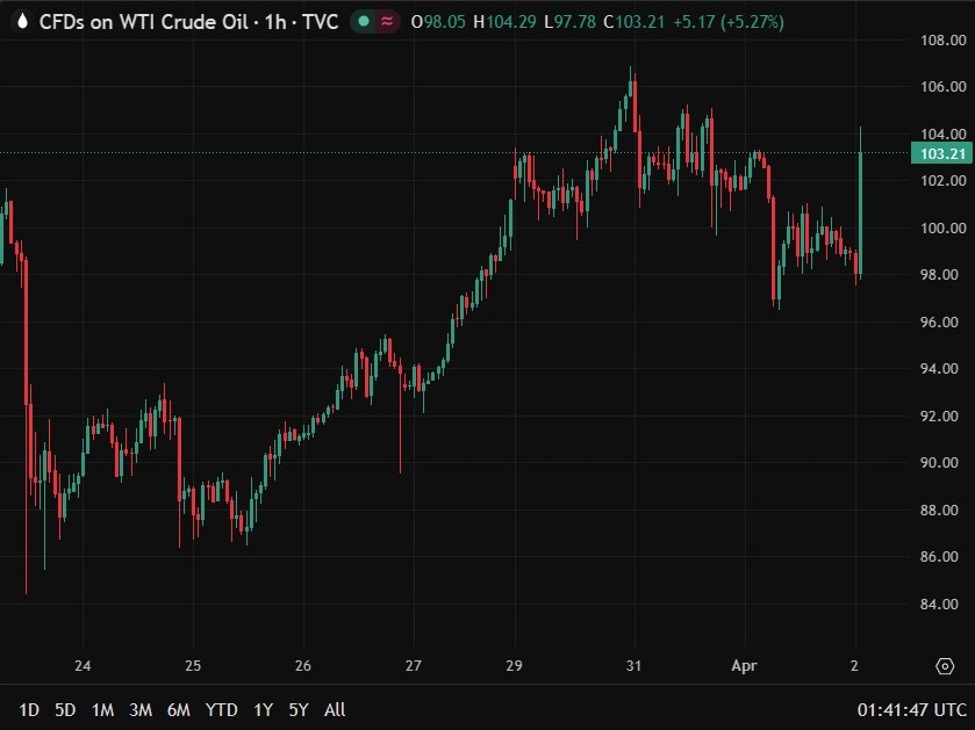
Brent crude reached $106, up $4 overnight, prompting bond liquidations by banks and money managers ahead of anticipated airstrikes, according to Tom di Galoma of Mischler Financial Group. Elevated oil prices raise inflation concerns, with U.S. rate futures pricing a 28.1% chance of an interest-rate hike by year-end, though a 95.9% chance of no hike for the Fed's April meeting.
New U.S. jobless claims rose slightly to 210,000, aligning with economists' forecasts. Treasury auctions for two- and five-year notes met with tepid demand, and the Treasury Department is scheduled to auction $44 billion in seven-year notes later Thursday.
Asia FX Plummets; Japan CPI Misses BOJ Target
Middle East Tensions Drive Treasury Yields Higher(current)