News
Federal Reserve · Inflation · Interest Rates · Middle East Conflict
The Federal Reserve held interest rates steady for the second consecutive meeting on March 18, 2026, with a near-unanimous decision, as the ongoing war in Iran introduced significant economic uncertainty, impacting inflation and the labor market.
The Fed's official statement acknowledged the Middle East conflict, stating its economic implications remain "uncertain." Governor Stephen Miran cast the sole dissent, advocating for a quarter-point rate cut. The conflict has driven Brent crude above $109 a barrel, a substantial increase from $72 before the fighting, and gas prices have surged nearly $1 per gallon nationwide.
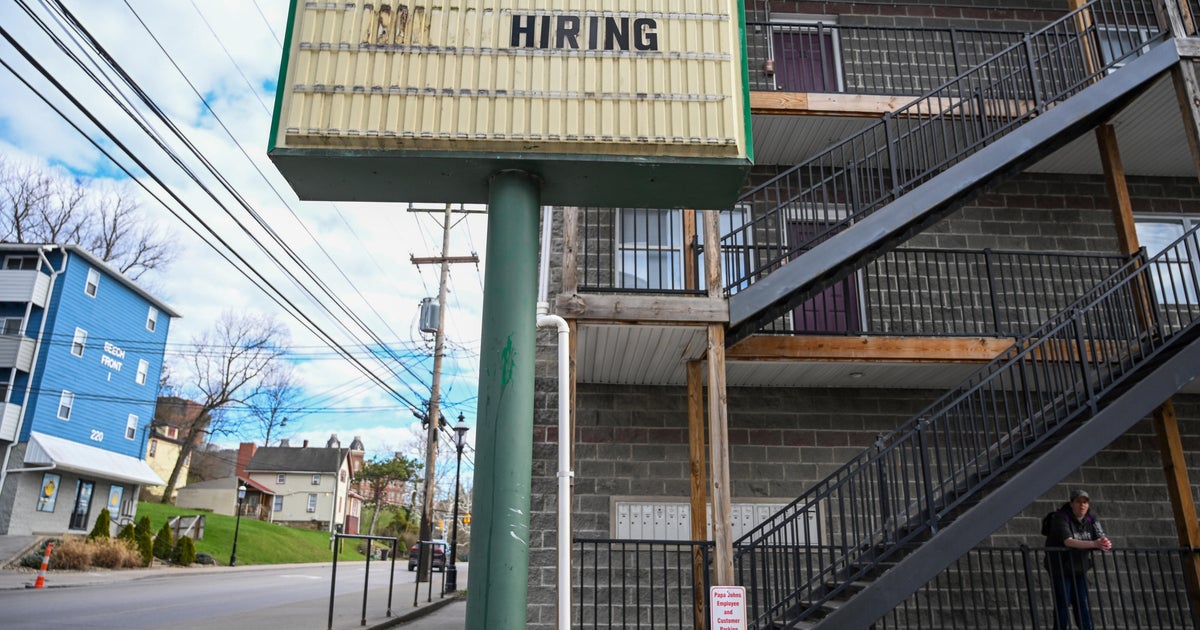
These higher energy costs present a dilemma, acting as both a drag on growth and a direct contributor to inflation. The labor market showed weakness, with February's payroll report indicating employers cut 92,000 jobs, and the unemployment rate ticked up to 4.4%.
Inflation also remained elevated, as the Producer Price Index (PPI) rose 0.7% in February, with the year-over-year rate hitting 3.4%, according to the BLS. The Fed's preferred inflation measure, core PCE, is running at 3.1%.
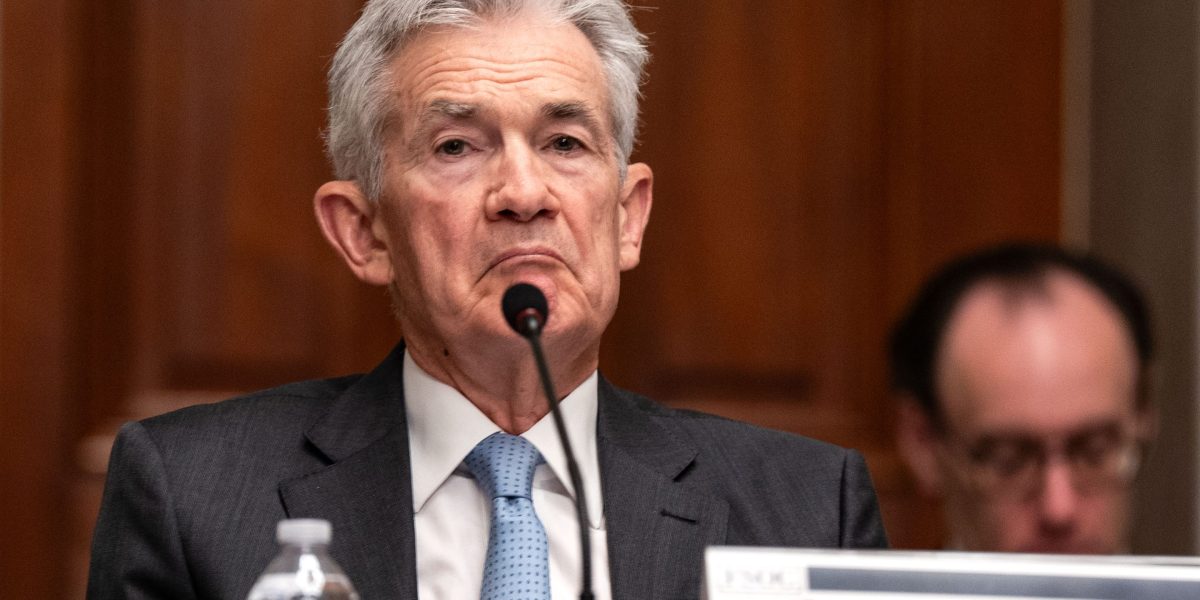
While most officials still project at least one rate cut in 2026, divisions are apparent, with seven of 19 policymakers projecting no reductions, and markets pushing rate-cut expectations to April 2027. Fed Chair Jerome Powell is scheduled to speak, with Kevin Warsh anticipated as his successor.
Fed Cuts Push 10-Year Yield Below 4%
US Services Sector Contracts First Time Since 2023
Healthcare Sector Drives Consistent Job Growth, Economic Resilience
Fed Holds Rates Steady; Middle East Clouds Outlook(current)