
News
Economy · Federal Reserve · Inflation · Unemployment
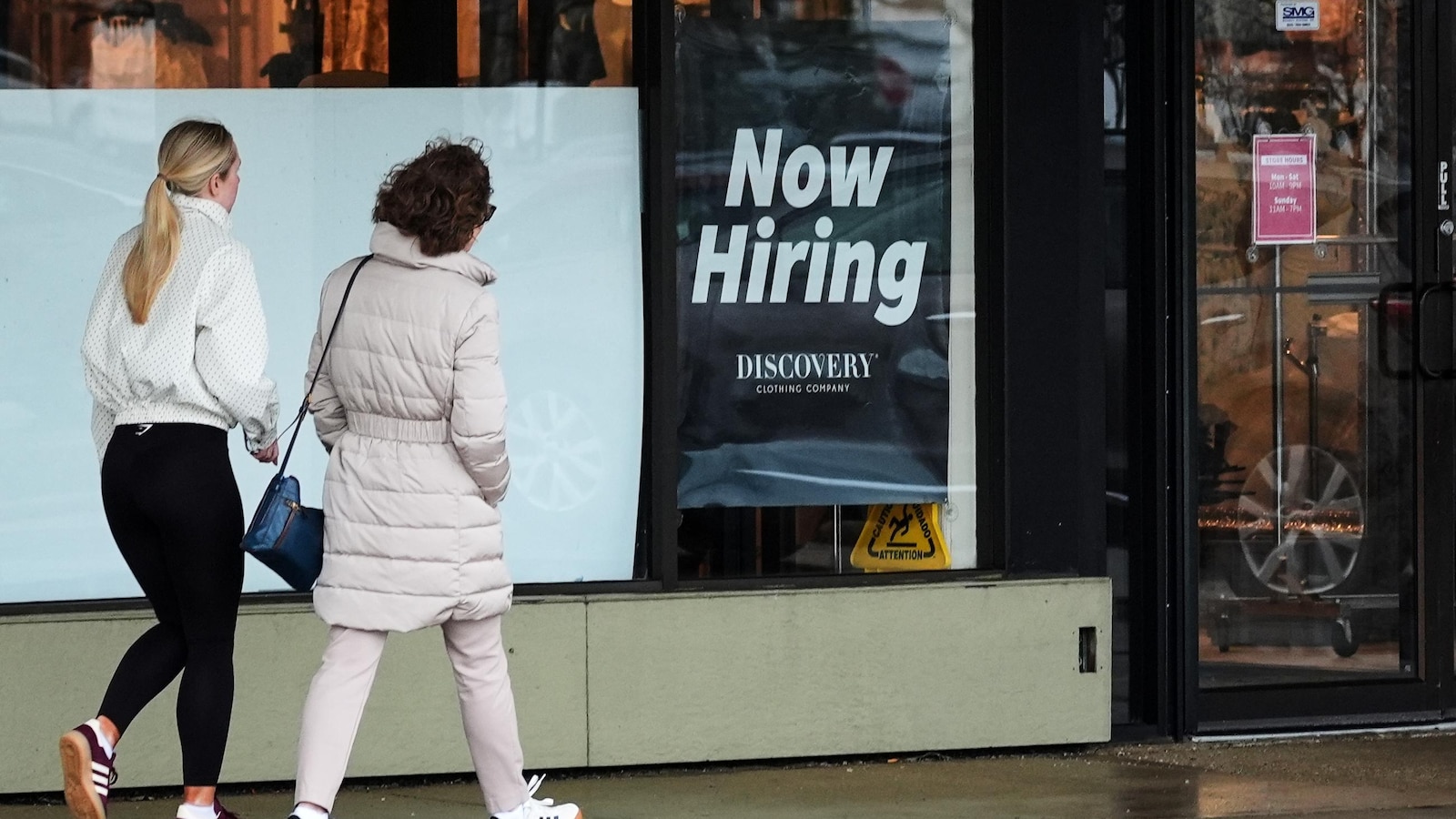
U.S. applications for unemployment benefits decreased by 11,000 to 207,000 for the week ending April 11, falling below analyst expectations, while persistent inflation and the Iran war continue to challenge the global economy.
The Labor Department reported this figure, which is considered a real-time indicator of the job market's health. Despite a ceasefire agreement in the Iran war, oil prices remain elevated at $92 per barrel, 37% higher than pre-war levels, and gas prices continue to burden consumers and businesses.
Consumer prices surged 3.3% in March from a year earlier, up from 2.4% in February, marking the largest yearly increase since May 2024, according to the Labor Department. This inflation, well above the Federal Reserve's 2% target, diminishes the likelihood of interest rate cuts soon.
The Fed raised rates three times in 2025 but has held off lowering them this year. The U.S. labor market shows mixed signals; employers added 178,000 jobs in March, lowering unemployment to 4.3%, but February saw a loss of 92,000 jobs, and revisions trimmed 69,000 from December and January payrolls.
High-profile companies like Morgan Stanley, Block, UPS, and Amazon have recently cut jobs, contributing to a 'low-hire, low-fire' environment. The four-week moving average of jobless claims rose slightly to 209,750, and total continuing claims increased to 1.82 million.
Fed Cuts Push 10-Year Yield Below 4%
US Services Sector Contracts First Time Since 2023
Healthcare Sector Drives Consistent Job Growth, Economic Resilience
US Jobless Claims Fall, Inflation Surges, Fed Holds Rates(current)