News
Geopolitics · Iran War · Oil Prices · US Economy
President Donald Trump's decision to launch open-ended attacks against Iran, aiming to topple its government, has introduced significant uncertainty to the U.S. economy, causing oil prices to jump from $70 to nearly $80 a barrel over the weekend.
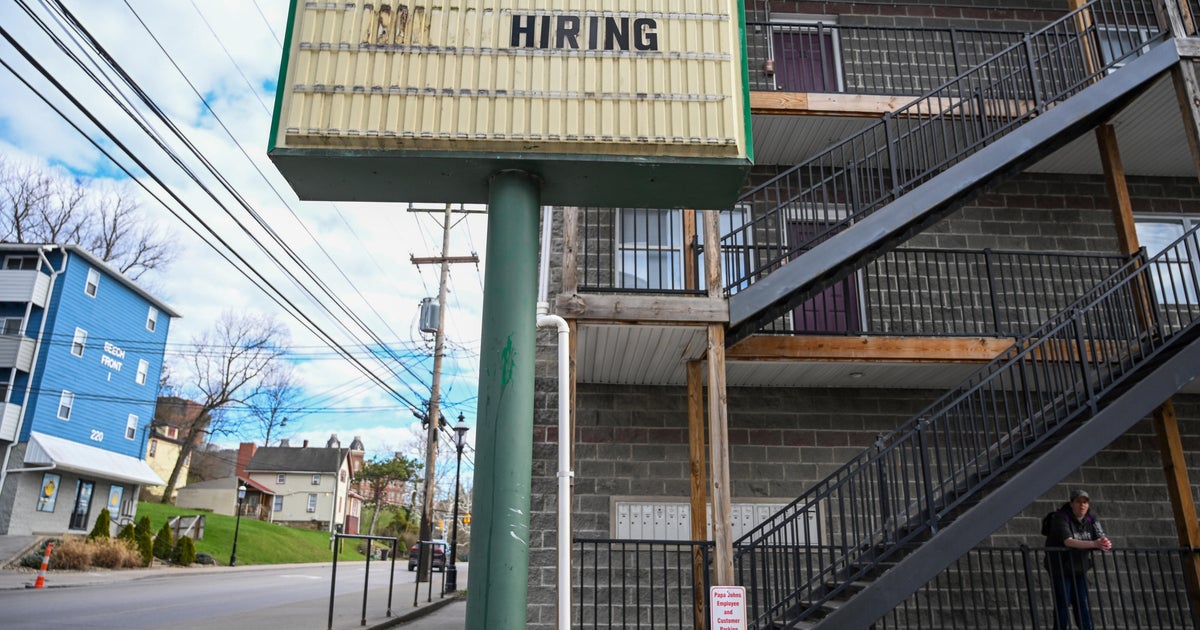
The U.S. economy, previously showing a "buoyant" outlook according to the International Monetary Fund, now faces disruption from geopolitical tensions, as nearly 60% of CEOs surveyed by the Conference Board identified this as a high risk. JPMorgan economist Joseph Lupton noted that the nascent recovery in hiring and non-tech capital expenditure is now at risk, potentially reigniting global stability concerns.
While the U.S. is buffered by domestic energy production, global trade, shipping through the Strait of Hormuz, supply chains, and commodity prices are impacted. Initial market reactions included a fall in the 2-year U.S. Treasury note yield, a rise in the dollar, and mixed U.S. stock indexes, with interest rate futures still indicating two Fed rate cuts this year, the first in July.
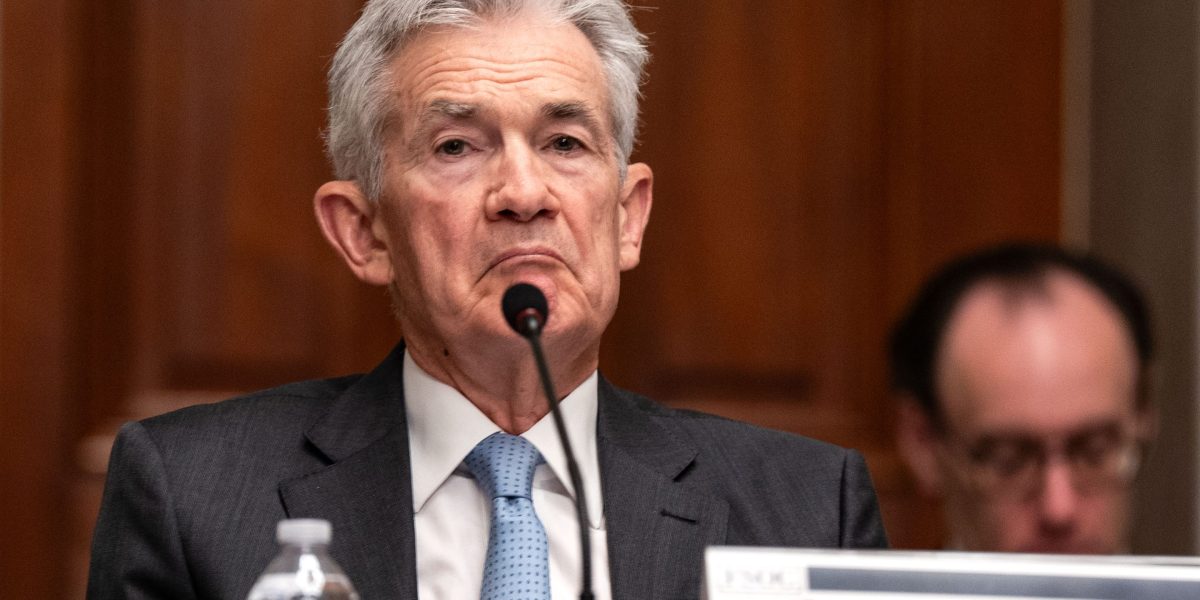
Former Fed chief Janet Yellen stated the war risks higher U.S. inflation and slower growth, making the Fed more reluctant to cut rates. Analysts like Christopher Hodge of Natixis CIB Americas and Carlyle's James Stavridis and Jeff Currie outline scenarios ranging from quick resolution with minimal economic fallout to a protracted asymmetric campaign, potentially involving cyber activity and terrorism, pushing oil above $120 and impairing global production networks.
Iran War Escalates, US Economy Faces New Risks(current)