News

Energy Crisis · Geopolitical Risk · Global Economy · Oil Supply
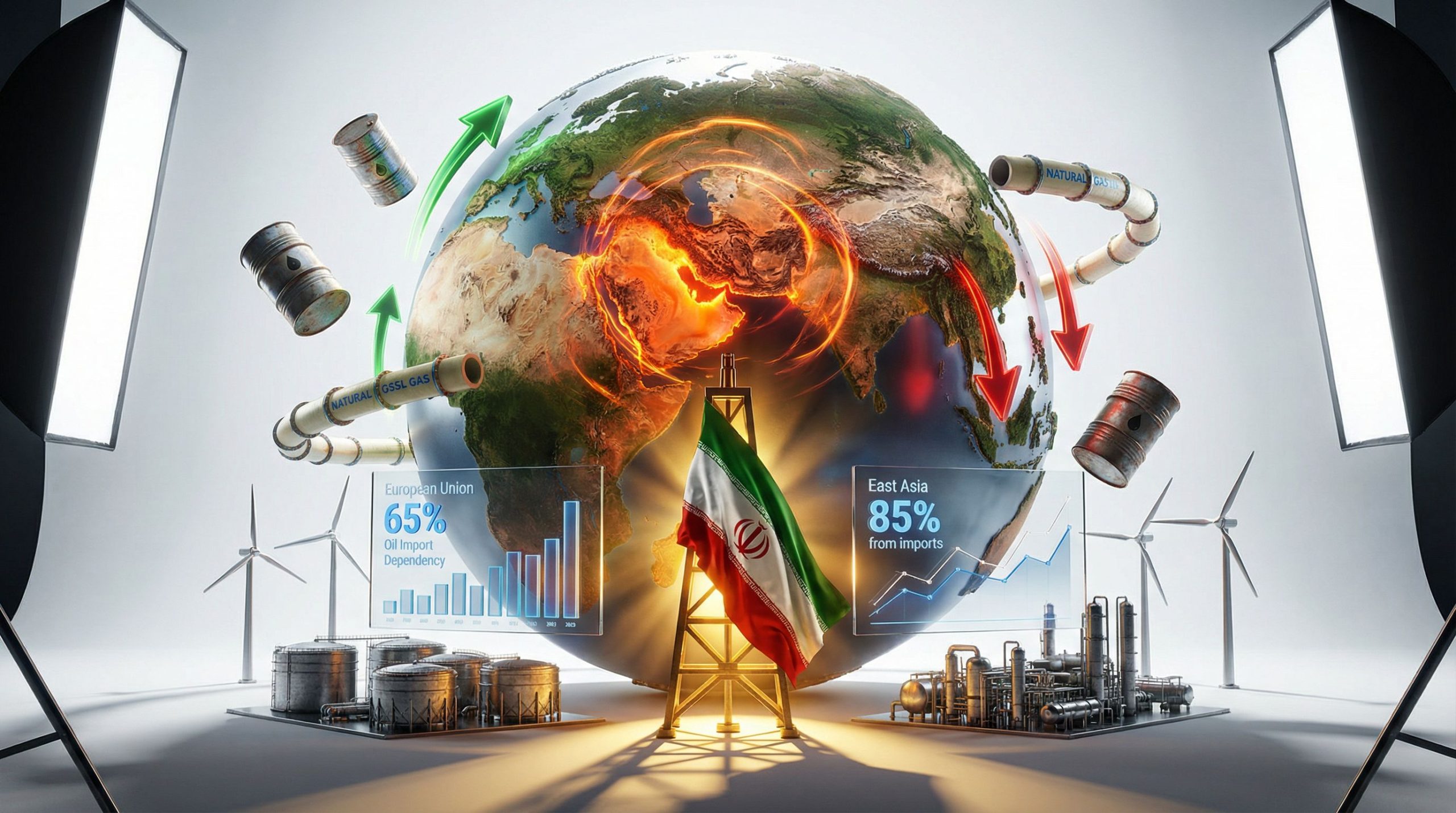
An escalation in the Middle East has triggered the most significant energy flow disruption in decades, with 6 million barrels per day of production offline and Strait of Hormuz flows plummeting from 15-20 million to 5 million barrels daily, causing global markets to grapple with a massive supply shock.
This disruption is several times more impactful than typical 1 million barrels per day annual shifts, according to Enverus Intelligence® Research. Gas prices surged 60-70% compared to pre-war levels, and Brent prices hold near $90 amid unprecedented volatility.
A 10-day outage of 15 million barrels per day adds $10 to oil prices, extending to 20 days adds $20, creating high uncertainty for emerging economies. Strategic Petroleum Reserves primarily serve the Atlantic Basin, taking 30-45 days to reach Asia, limiting immediate relief for Pacific Basin shortages.
North American producers face transportation constraints and capital discipline, preventing immediate production surges, with new wells taking at least six months to come online. The crisis refocuses global attention on energy security and domestic supply chains.
Asian markets increase reliance on coal, while elevated gasoline prices accelerate consumer interest in electric vehicles. A structural risk premium is embedded in oil and gas prices for the next five to ten years, as consumers and governments prioritize domestic, resilient energy sources.
Middle East Energy Crisis Rocks Global Markets, Supply Shock(current)