News
China · Inflation · Middle East War · PPI
China's producer prices rose 0.5% year-on-year in March, marking the first increase in three and a half years, as the Middle East war, triggered by US and Israeli attacks on Iran, significantly elevated global commodity and energy import costs.
This rise in the Producer Price Index (PPI) ended 41 consecutive months of decline since late 2022. Dong Lijuan, a senior statistician at China’s National Bureau of Statistics, attributed this increase to imported inflation from the Middle East war's impact on global commodity and energy prices.
Government measures to curb excess capacity and prevent price-cutting competition also contributed to upward price pressures. Concurrently, the Consumer Price Index (CPI) increased 1% year-on-year in March, following a 1.3% rise in February, which marked the strongest gain in three years.
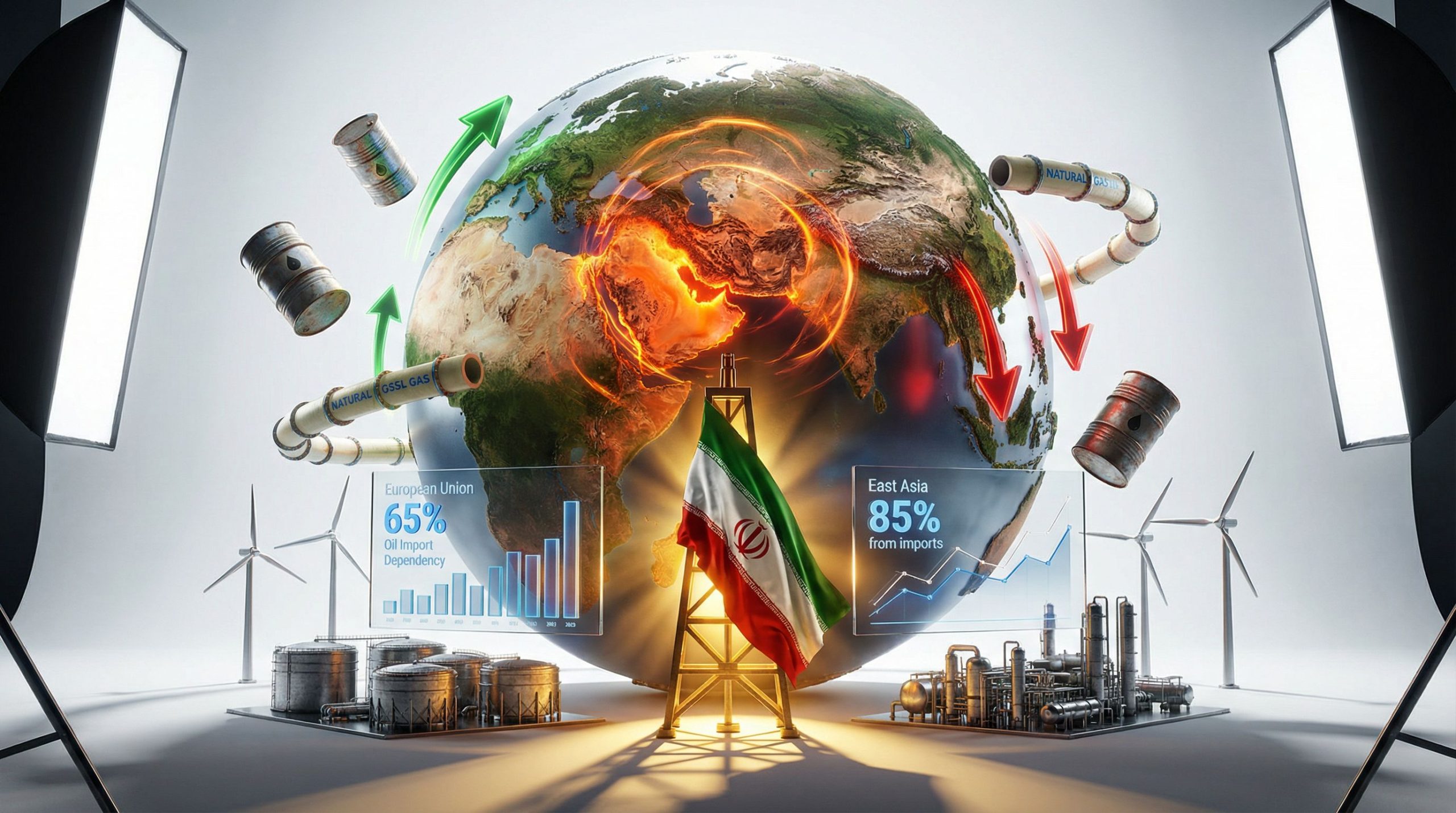
China's CPI had remained below 1% since 2023, with inflation at 0.2% in both 2023 and 2024, and flat in 2025. The war disrupted shipping through the Strait of Hormuz, a critical artery for 25% of global oil trade and 20% of liquefied natural gas trade, directly impacting China, which imports 45% of its crude oil and 30% of its LNG through this strait.
China's PPI Rises, Middle East War Fuels Inflation(current)