News
Energy · Geopolitics · Inflation · Supply Chain
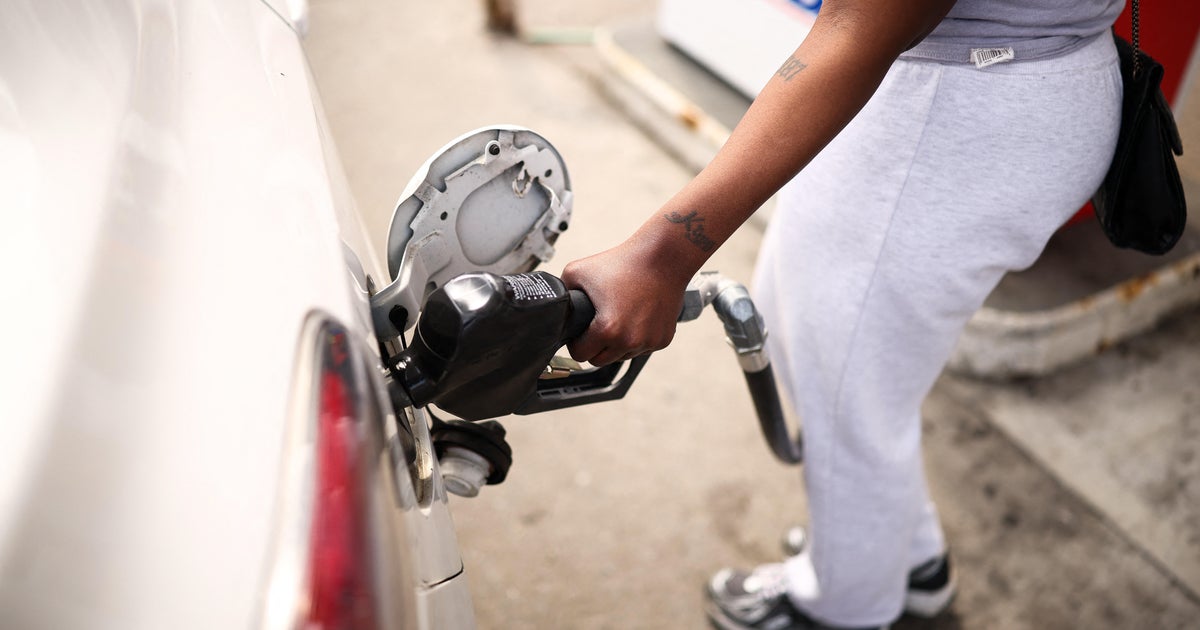
The Iran war has propelled crude oil prices above $110 a barrel, a level not seen since 2022, directly increasing average U.S. gasoline prices by 17% to $3.48 per gallon and diesel by 23% to $4.65 per gallon, causing immediate economic pain for consumers and the broader economy.
This surge in energy costs impacts consumers directly at the pump and indirectly through higher prices for nearly all goods, including food, as transportation expenses climb. Gregory Daco, chief economist at EY-Parthenon, states the longer the war continues, the more significant the economic shock.
Gasoline prices vary significantly across states; California drivers pay $5.20 per gallon, up 12% in a week, due to refinery shutdowns and reliance on imports, while Louisiana averages $3.04 per gallon. The effective closure of the Strait of Hormuz, a critical waterway for global crude and LNG, already creates shipping problems.
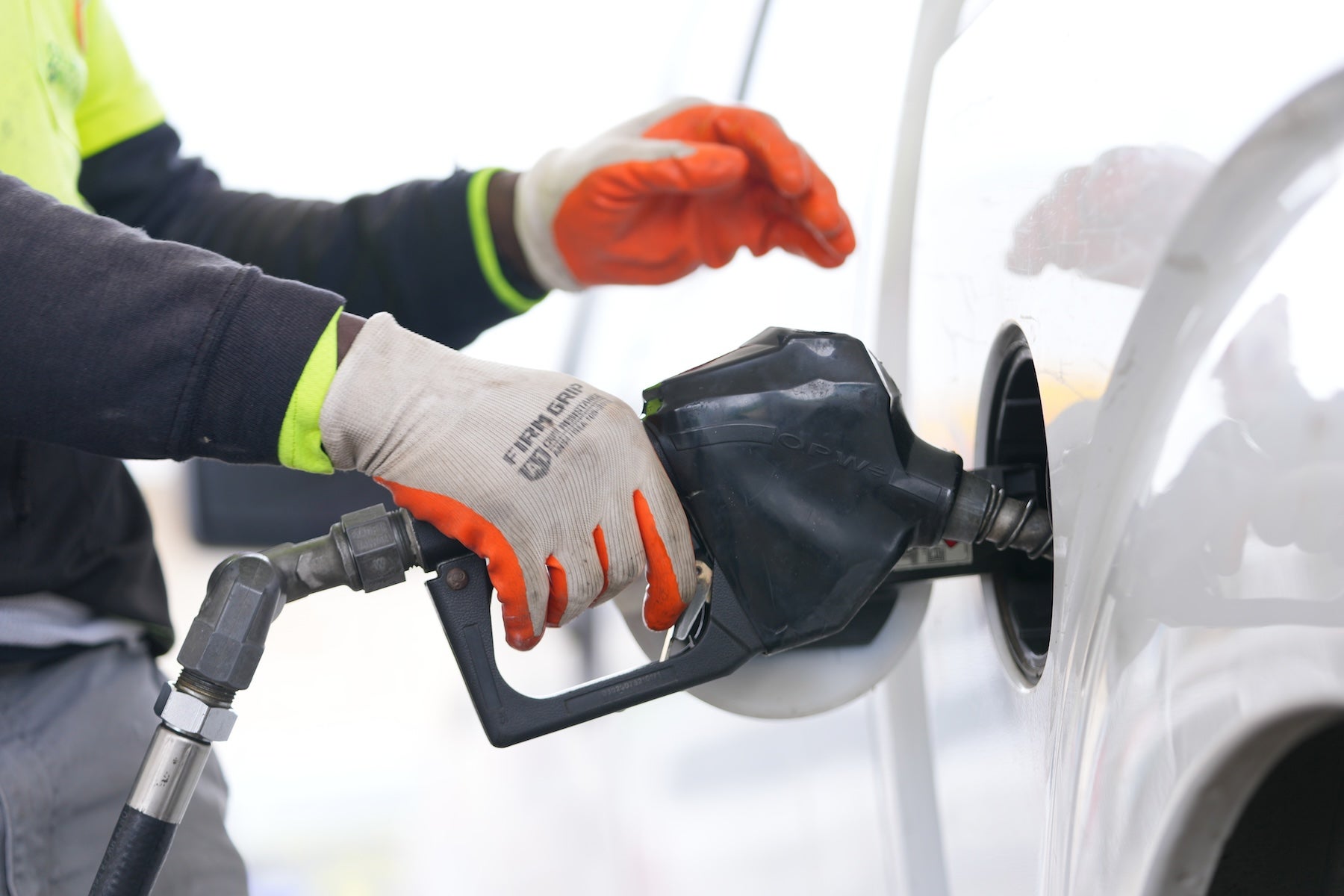
Patrick Penfield, a professor at Syracuse University, notes fuel accounts for 50% to 60% of total shipping operating costs, meaning higher fuel prices cause ships and trucks to slow down, making air transport less appealing. Patrick De Haan, a petroleum analyst at GasBuddy, emphasizes this is a massive jolt to the logistics, trucking, and agriculture sectors.
Fuel surcharges will rise, passing increased costs to customers and ultimately making goods more expensive, creating a drag on the economy and fueling U.S. inflation.
Iran War Escalates Oil Prices, US Inflation Climbs(current)