News

Energy Prices · Geopolitics · Middle East · Supply Chain
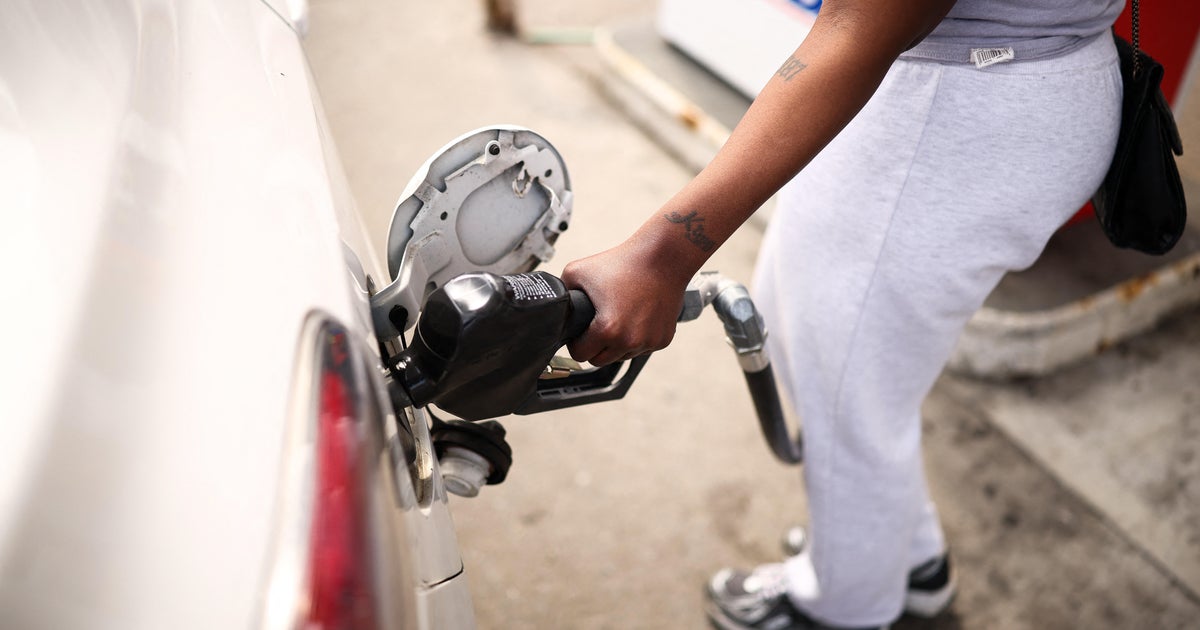
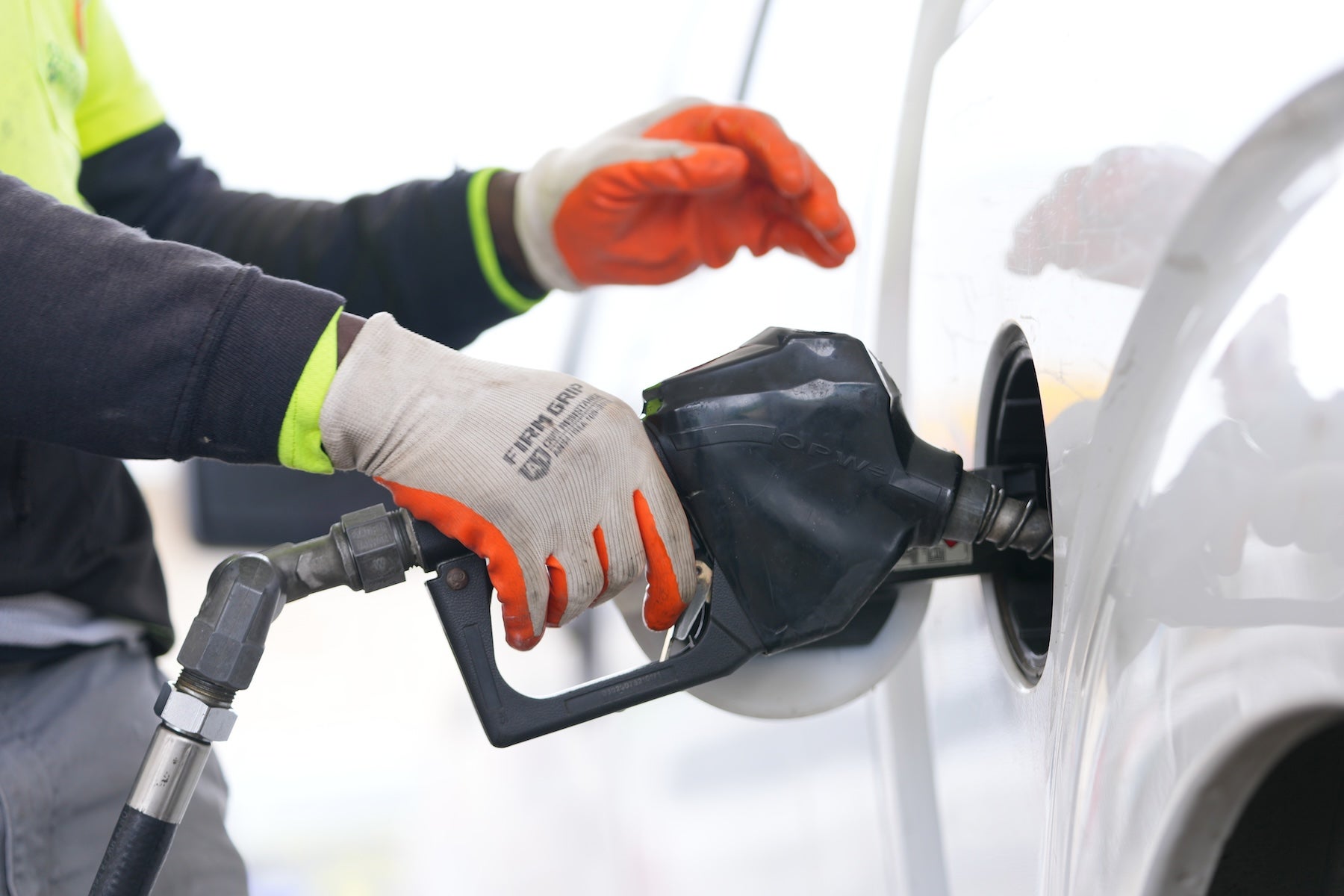
Despite a two-week cease-fire with Iran and the reopening of the Strait of Hormuz, Americans face sustained high gasoline prices through summer 2026, with national averages staying above $4, due to extensive damage to Middle Eastern energy facilities and ongoing shipping uncertainties, experts told The Post.
Attacks on dozens of energy facilities across the Middle East, including Qatar's Ras Laffan plant which lost 17% capacity, require months and significant investment to repair and restart production, according to Joe Adamski, managing director of ProcureAbility. Oil wells, not designed for prolonged shutdowns, are expected to reveal further damage upon restart.
Global energy supplies will not normalize until late 2026, stated Jeff Krimmel, founder of Krimmel Strategy Group. Refiners' "fear reaction" during the US and Israel's war with Iran caused gasoline prices to surge faster than oil, preventing a return to pre-war levels in the low $60s; Brent crude is expected to settle in the mid-to-high $70s.
Shipping through the Strait of Hormuz faces delays as vessel owners remain wary of Iran's threats to "destroy" ships without permission and potential $2 million passage fees, a concept President Trump is open to as a "joint venture" with the US getting a cut. The International Air Transport Association confirms jet fuel supplies also require months to recover.
Countries are depleting energy reserves, indicating prices will rise again if the two-week cease-fire is not extended.
Gas Prices Remain High Despite Middle East Cease-fire(current)