News
Energy Markets · Geopolitics · Inflation · Supply Chains
The Iran war impacts global energy markets, creating unique energy-driven inflation challenges distinct from historical oil shocks, with OPEC's 1970s embargo causing a 300% price surge and 8-12% inflation across OECD nations in 1974.
The article highlights reduced oil sector price elasticity post-2015, meaning energy price increases now directly impact consumer purchasing power without offsetting domestic energy investment booms. Transportation costs, particularly maritime shipping (40-50% of operating costs) and air freight (30-35%), rapidly transmit energy price increases through supply chains.
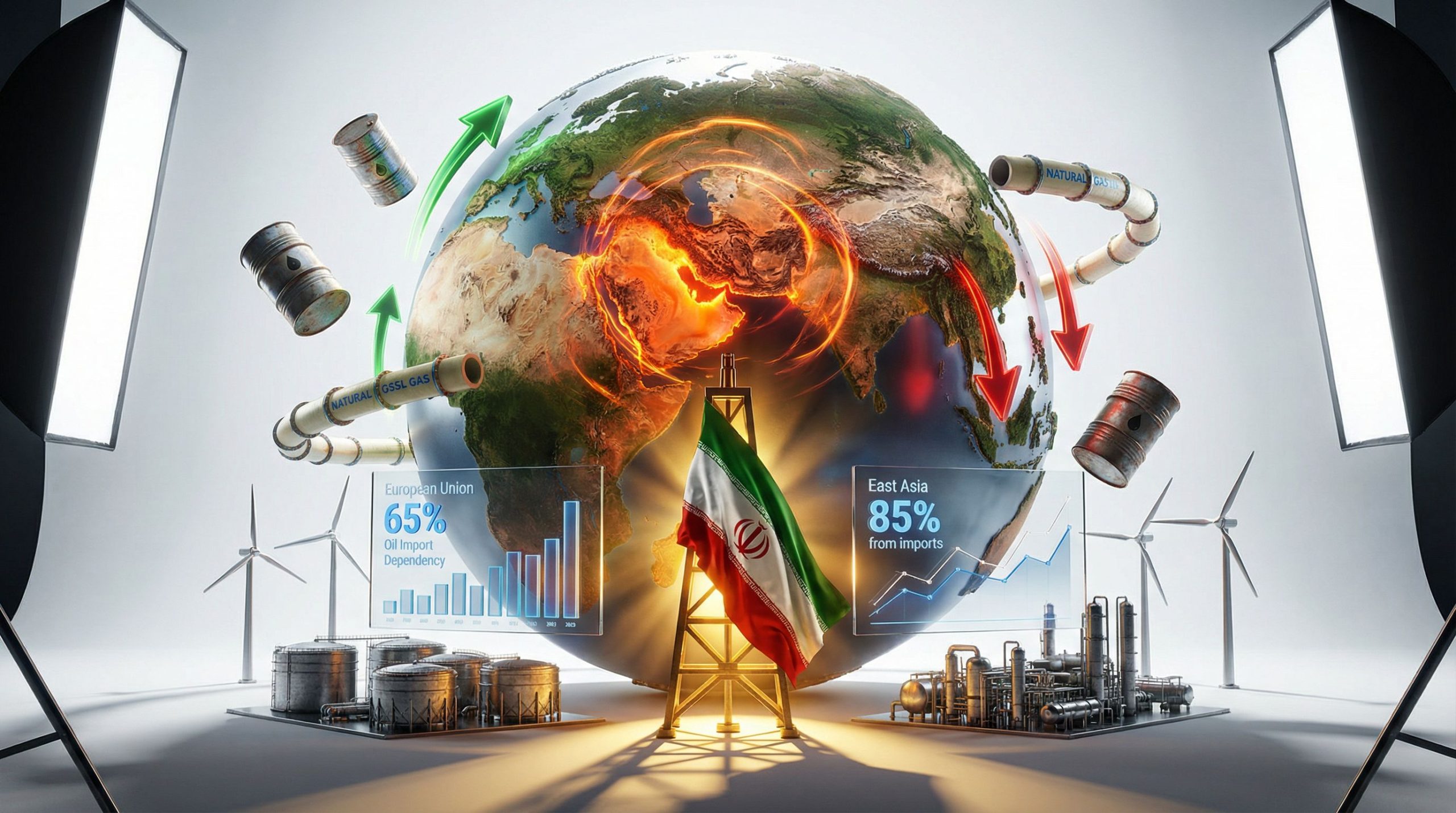
Petrochemical-dependent industries like fertilizer production (70-90% natural gas cost) and plastics manufacturing (90-95% correlation with crude oil) face significant input cost pressures. Regions like East Asia (85% oil import dependency) and the EU (65% oil, 83% gas import dependency) are highly vulnerable, while North America shows lower vulnerability.
Central banks face challenges as traditional monetary tools are inadequate for supply-side inflation, risking stagflation. Financial markets show stress through widening corporate credit spreads for airlines, transportation, and energy-intensive manufacturers, and emerging market economies face currency devaluation.
Long-term, the disruption accelerates manufacturing reshoring, strategic commodity stockpiling, and renewable energy infrastructure investment.
Iran War Drives Energy Inflation, Stresses Economies(current)