News

Crude Oil · India · Inflation · Rupee
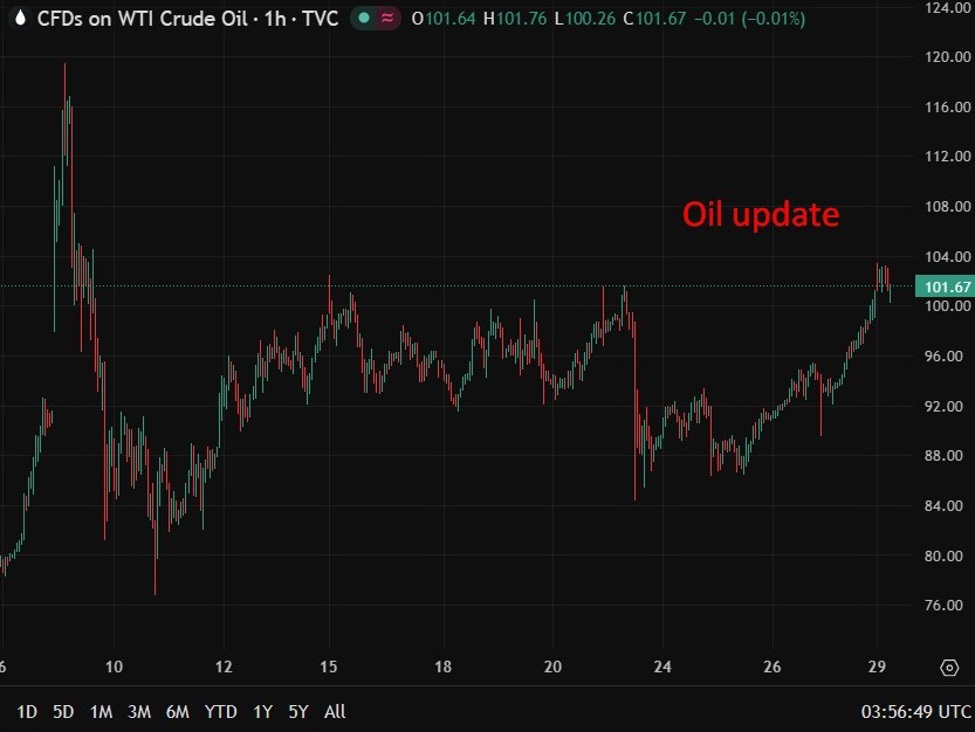
The Indian economy faces significant headwinds, including an inflation flare-up, weakening rupee, and widening current account deficit, following a nearly 60% surge in Brent Crude prices since the US and Israel's combined attack on Iran on February 28, with prices reaching $114.93 per barrel on March 9.
India, the world's third-largest crude oil importer, relies on imports for 85-90% of its requirements; every $1 increase in crude price raises its import bill by roughly ₹16,000 crore. Economists Upasna Bhardwaj of Kotak Mahindra Bank and Madhavi Arora of Emkay Global Financial Services state that prolonged elevated crude prices will weigh on the current account deficit, weaken the Indian Rupee (INR), and accelerate Foreign Portfolio Investor (FPI) outflows.
Arora notes that if the conflict continues beyond a month, Oil Marketing Companies (OMCs) will struggle to absorb costs, which leads to consumer pass-through and higher retail inflation. Manoranjan Sharma, Chief Economist at Infomerics Ratings, indicates that sustained prices above $80 per barrel pushes inflation toward the RBI’s 2–6% target band.
The Reserve Bank of India (RBI) delays rate cuts or adopts a tighter stance if second-round inflationary pressures emerge, impacting corporate margins in energy-dependent sectors. Sharma highlights India's strong forex reserves, diversified oil sourcing, and resilient domestic demand as cushioning factors against a moderately negative but manageable impact if the shock is temporary.
India's Economy Stares at Oil-Driven Inflation Surge(current)