News
Geopolitics · Oil · Red Sea · Shipping
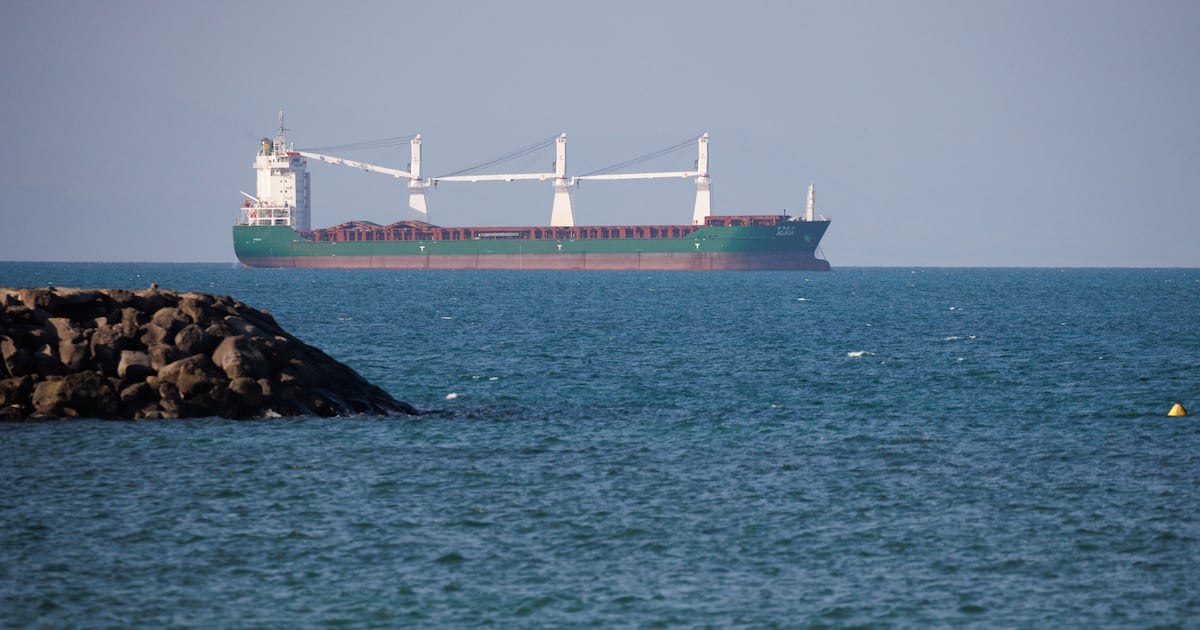
Yemen's Houthi rebels replicate Iran's 'Tehran tollbooth' strategy, establishing control over Red Sea and Bab Al Mandeb shipping lanes, causing significant delays and safety concerns for hundreds of vessels, with over 800 freighters currently stuck in the Gulf.
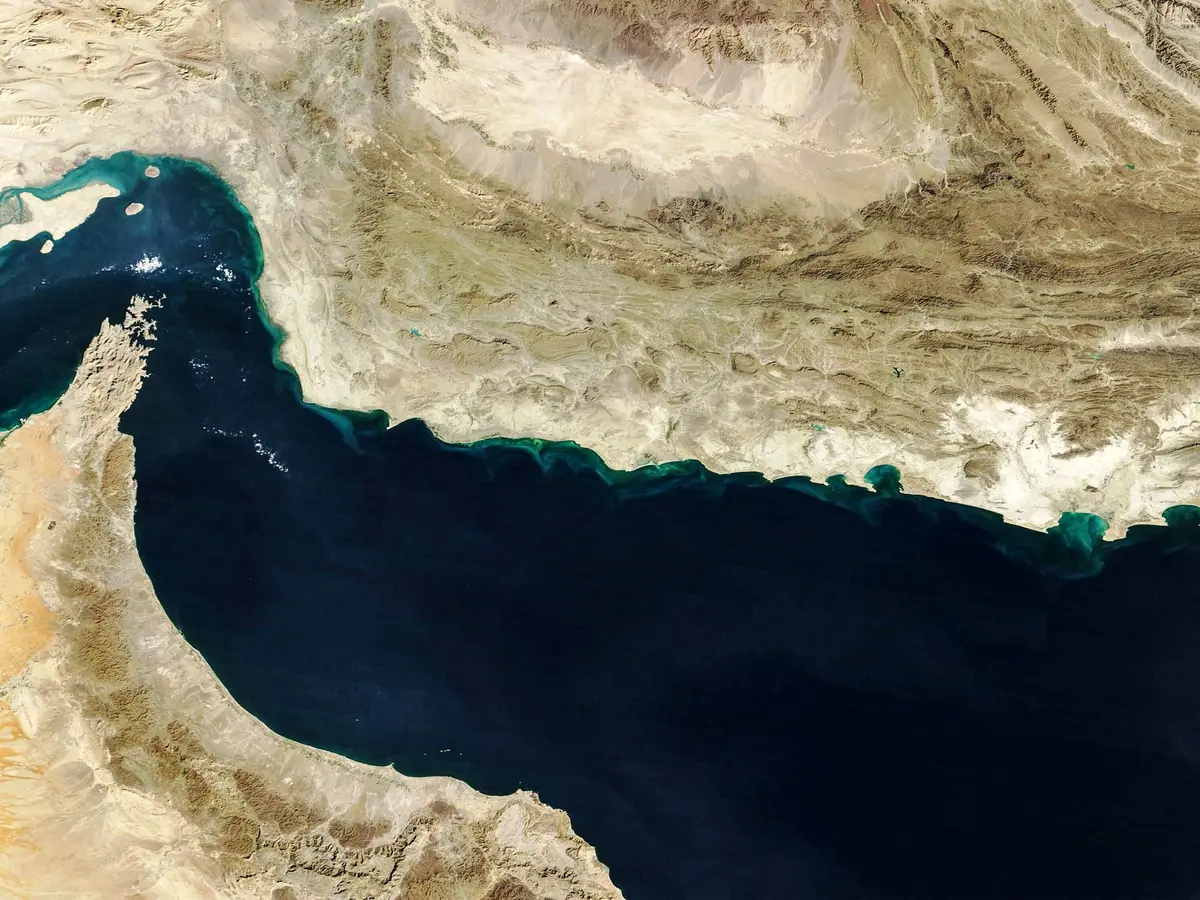
Iran's established model in the Strait of Hormuz involves charging up to $2 million per ship and requires vessels to identify as non-US or non-Israeli linked via Automatic Identification Systems (AIS). Arsenio Longo, founder of analytics company Huax, confirms the Houthis apply a similar selective pressure formula, screening ships by political identity, a method that originated in Hormuz and is now more frequent across the Red Sea.
Former Iranian foreign minister Ali Akbar Velayati stated the 'unified command of the resistance front views Bab Al Mandeb as it does Hormuz,' threatening global energy and trade disruption. Despite a recent two-week ceasefire, Strait of Hormuz traffic remains largely paralyzed, with ship owners refusing transit due to persistent safety concerns.
Neil Roberts, head of marine and aviation at the Lloyd’s Market Association, warns that the region remains at heightened risk, and trade will not simply resume, indicating a fragile situation.
Houthi Attacks Elevate Shipping Costs, Disrupt Global Trade
Houthis Replicate Iran's Tollbooth, Choke Global Shipping(current)