News
Geopolitics · Iran · Oil · Strait Of Hormuz
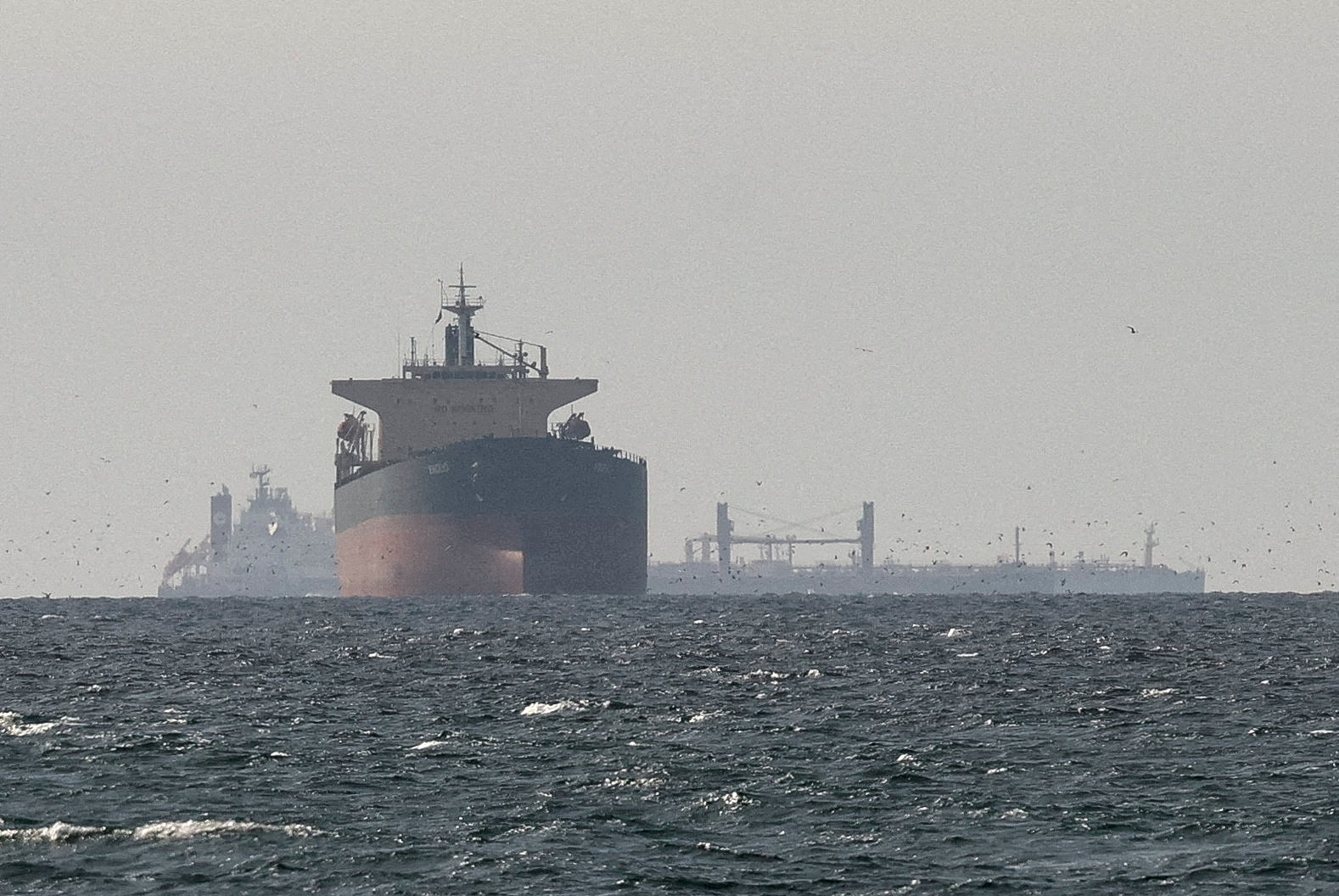
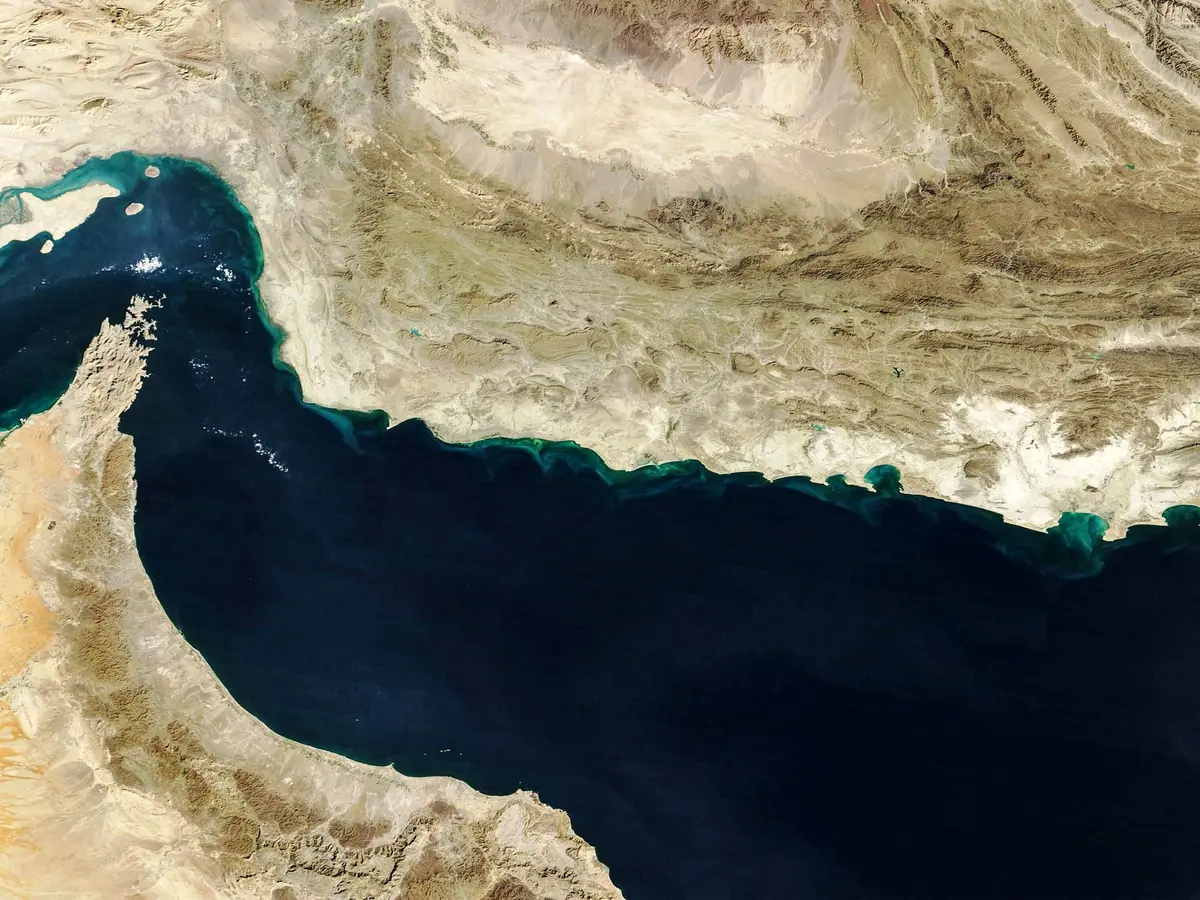
Iran has seized control of the Strait of Hormuz following a war with the U.S. and Israel, severely disrupting global shipping and reducing daily vessel crossings from over one hundred to a handful, impacting one-fifth of the worldwide oil supply.
This control, established over a month ago, now serves as Iran's primary leverage and deterrence, surpassing its nuclear program, according to Vali Nasr, a professor at Johns Hopkins University. Tehran plans new legislation to impose tolls on passing vessels and bar "non-friendly" countries, aiming to force European nations and Japan to drop economic sanctions and expel the U.S. Navy from the Gulf.
While Iranian officials compare this to the Suez Canal, international maritime law expert James D. Fry states there is no legal basis for Iran to regulate shipping on Oman's side of the natural passage. President Trump has sent mixed signals regarding U.S. intentions, from urging allies to act to threatening military intervention.
Hasan Alhasan, a senior fellow at the International Institute for Strategic Studies, warns that continued Iranian control ensures indefinite leverage over Gulf economies and global energy security. Gulf states like Saudi Arabia and the U.A.E. are rerouting some oil exports via pipelines to Yanbu and Fujairah to mitigate the impact.
European and Asian nations, including French President Emmanuel Macron, express reluctance to join U.S. military efforts, advocating for coordination with Iran.