News
Geopolitics · Hormuz · Iran · Oil
U.S. President Donald Trump is reportedly willing to end the military campaign against Iran without immediately reopening the Strait of Hormuz, shifting strategic focus to degrading Iran's military capabilities rather than restoring global energy flows, according to officials familiar with internal discussions.
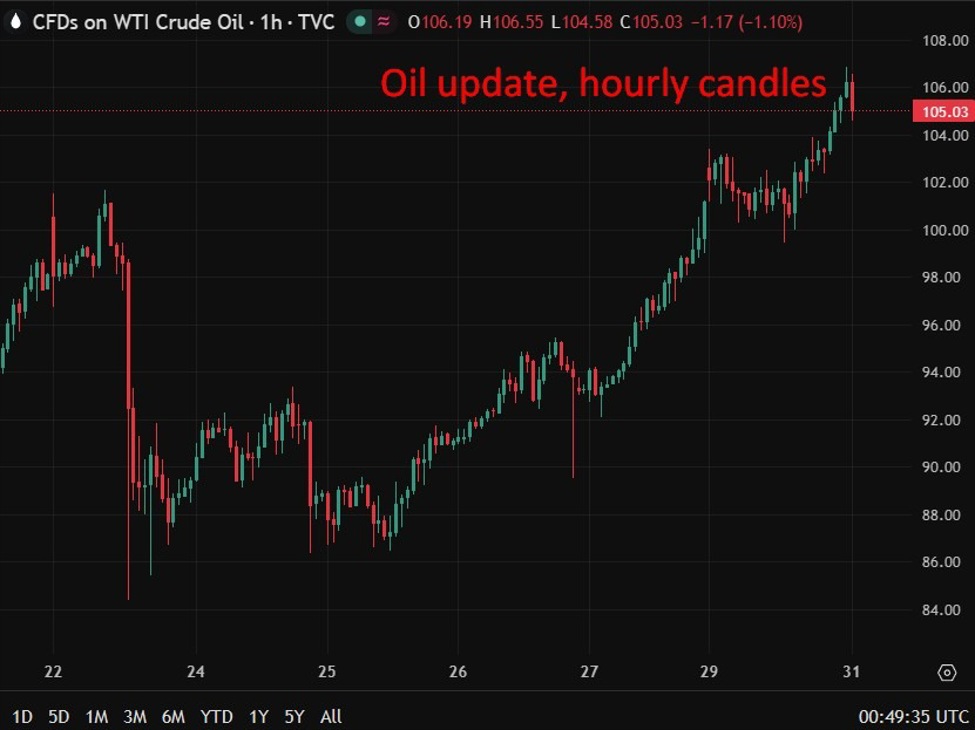
The Strait of Hormuz, which handles approximately 20% of global oil flows, has seen traffic significantly reduced due to Iranian mining activity and threats, pushing oil prices above USD100/bbl and causing industrial supply chain shortages. Officials assessed that forcibly reopening the waterway would require a longer, more complex military campaign than preferred.
The current strategy favors winding down active hostilities and shifting pressure to diplomatic channels and allied nations for shipping disruption. However, messaging remains fluid; Trump alternates between downplaying the strait's importance and threatening direct action, while senior officials suggest deferring freedom of navigation.
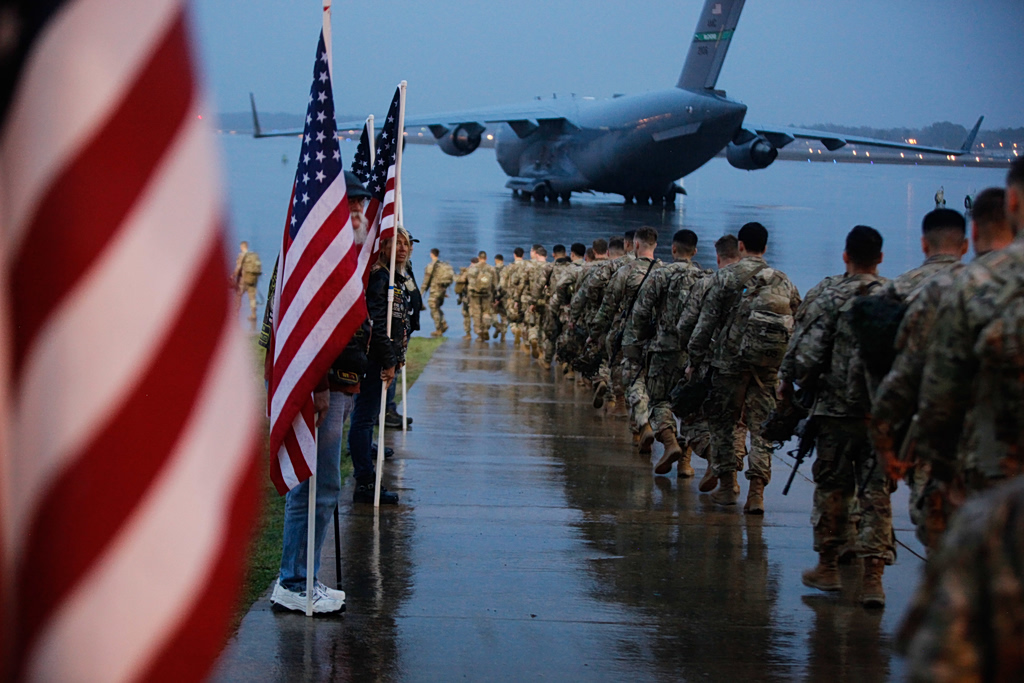
The U.S. continues to build up military forces in the region, including naval deployments and potential ground troop expansion, creating a divergence that indicates current rhetoric is tactical signaling rather than a definitive strategy shift. This evolving stance highlights a complex balancing act of de-escalation and maintaining pressure on Iran amid intensifying global economic fallout from disrupted energy flows.