News
Geopolitics · Hormuz · Oil · Shipping
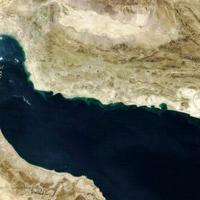
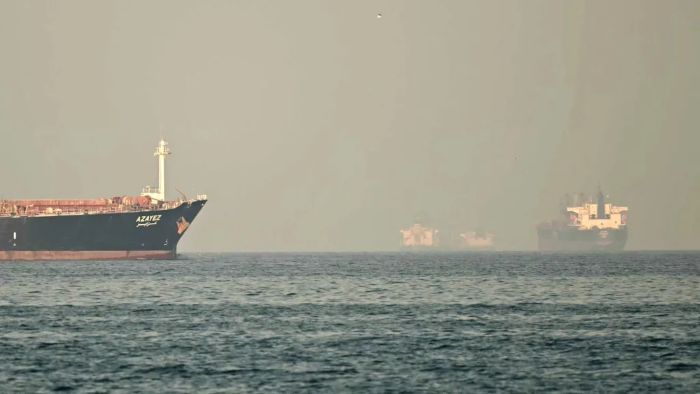
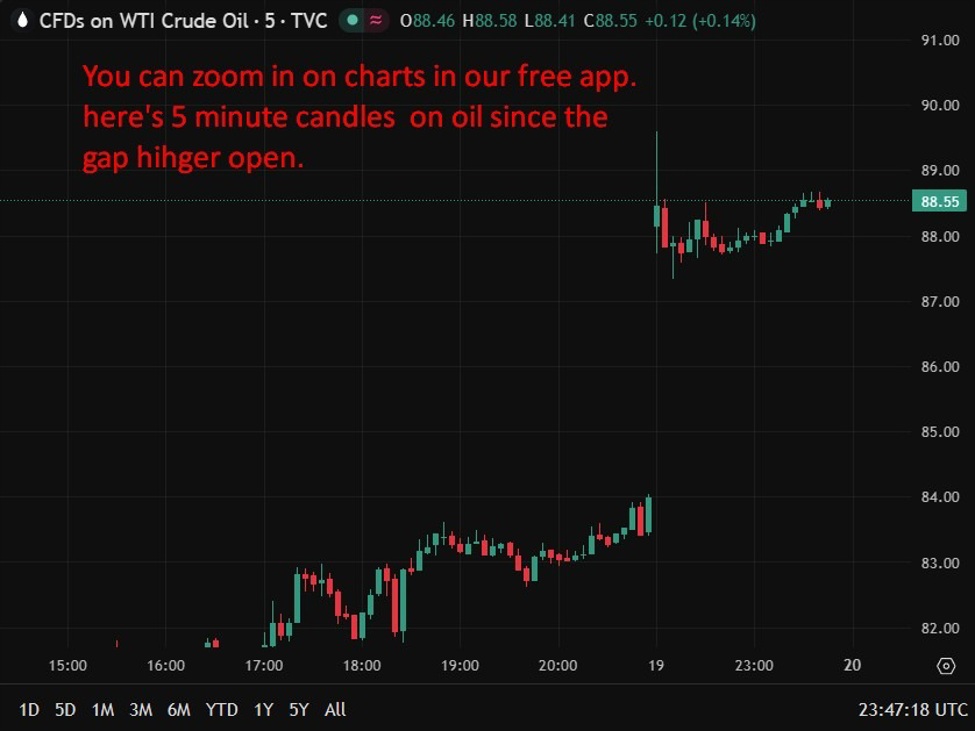
The US military seized an Iranian-flagged cargo vessel attempting to breach a blockade near Bandar Abbas, prompting Iran to label the act "armed piracy" and reject a second round of peace talks, consequently driving oil prices sharply higher due to persistent Strait of Hormuz disruption risks.
This incident marks a significant deterioration in trust and reinforces the fragility of the ceasefire between the US and Iran. Diplomatic efforts, including Pakistan's mediation, appear increasingly uncertain as Tehran cited the ongoing blockade and escalating rhetoric for its refusal to engage.
The standoff continues to center on control of energy flows, with the US maintaining its blockade of Iranian ports and Iran alternating restrictions through the Strait of Hormuz. Despite reports of over 20 vessels transiting the Strait on Saturday, shipping conditions remain unstable, and shipowners are hesitant to rely on assurances of safe passage.
This situation highlights a market grappling with headline-driven optimism versus persistent structural disruption, indicating continued volatility in energy flows.
Houthi Attacks Elevate Shipping Costs, Disrupt Global Trade
US Seizes Ship, Hormuz Instability Fuels Oil Rally(current)