News

Energy Markets · Geopolitical Risk · Iran War · Middle East Conflict
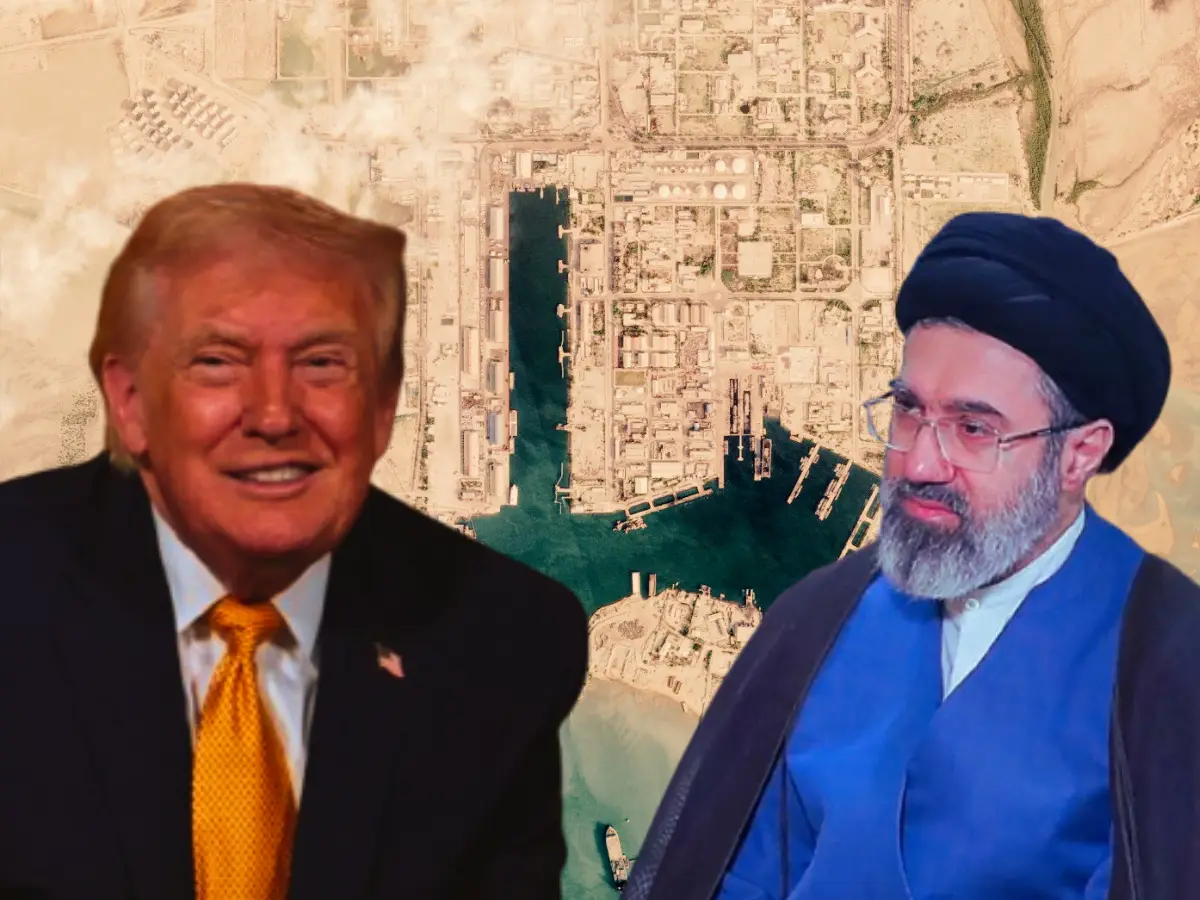
The US-Israel war on Iran has intensified into its second month, expanding regionally with direct attacks from Yemen's Houthis and Lebanon's Hezbollah, while Iran's IRGC claims strikes on UAE and Bahrain facilities, and anti-war protests turn violent in Tel Aviv leading to 18 arrests.
The conflict, which began on February 28 with US-Israeli strikes on Iran, now involves multiple regional actors, transforming Iraq into an "expanding battleground" with attacks killing PMF fighters and targeting the Kurdish region president. The Pentagon is preparing for weeks of US ground operations in Iran, while an analyst suggests Iran's interest lies in an extended war.
Iran claims the US is plotting a ground invasion despite diplomatic efforts, and hardliners push for an exit from the Nuclear Non-Proliferation Treaty as US-Israeli attacks hit nuclear sites and steel plants. Economic implications are evident as calls emerge for the Trump administration to "open the Strait of Hormuz" with ground forces, though Pakistan secured a deal with Iran to send 20 ships through the strait.
Public disapproval of the war is high in the US, yet lawmakers have taken no action, contributing to investor uncertainty regarding regional stability and global energy markets.
Iran Conflict Escalates, Araghchi Halts US Talks, Oil Surges
Iran Adopts Russia's Drone Swarm, Challenges US Defenses
US-Israel War on Iran Intensifies, Regional Conflict Spreads(current)
Trump Escalates Iran War, DHS Fails, Markets React