News
Energy · Geopolitics · Middle East · Shipping
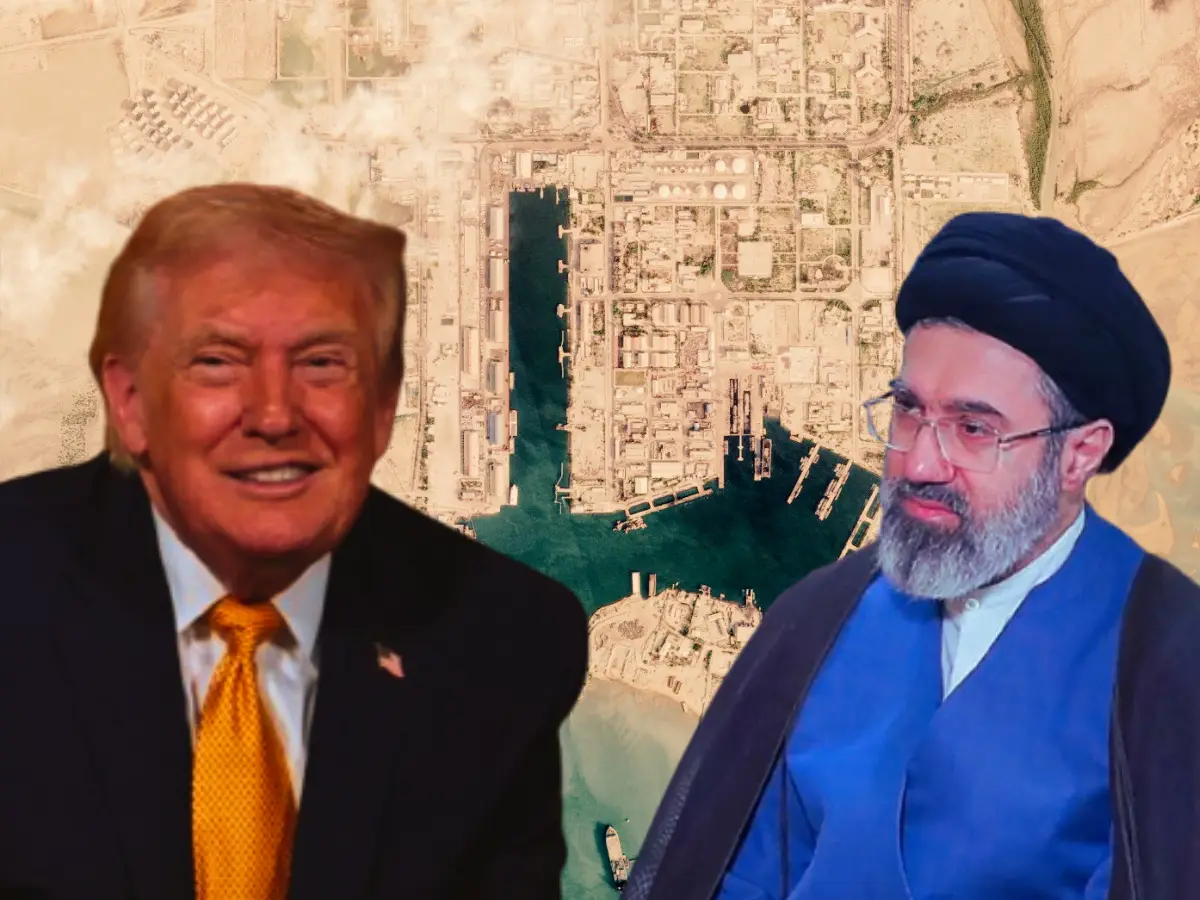
President Donald Trump issued a 48-hour ultimatum for Iran to open the Strait of Hormuz or face U.S. attacks on power plants, prompting Iran to threaten retaliation against U.S. and Israeli energy assets, as Iranian missiles struck Israeli cities near a nuclear center, injuring dozens and halting oil tanker traffic.
Trump stated the U.S. would "obliterate" Iran's power plants, potentially targeting the Bushehr nuclear plant or Damavand natural gas plant. In response, an Iranian military spokesperson, cited by state media, warned any strike on its energy facilities would trigger attacks on U.S. and Israeli information technology and desalination infrastructure in the region.
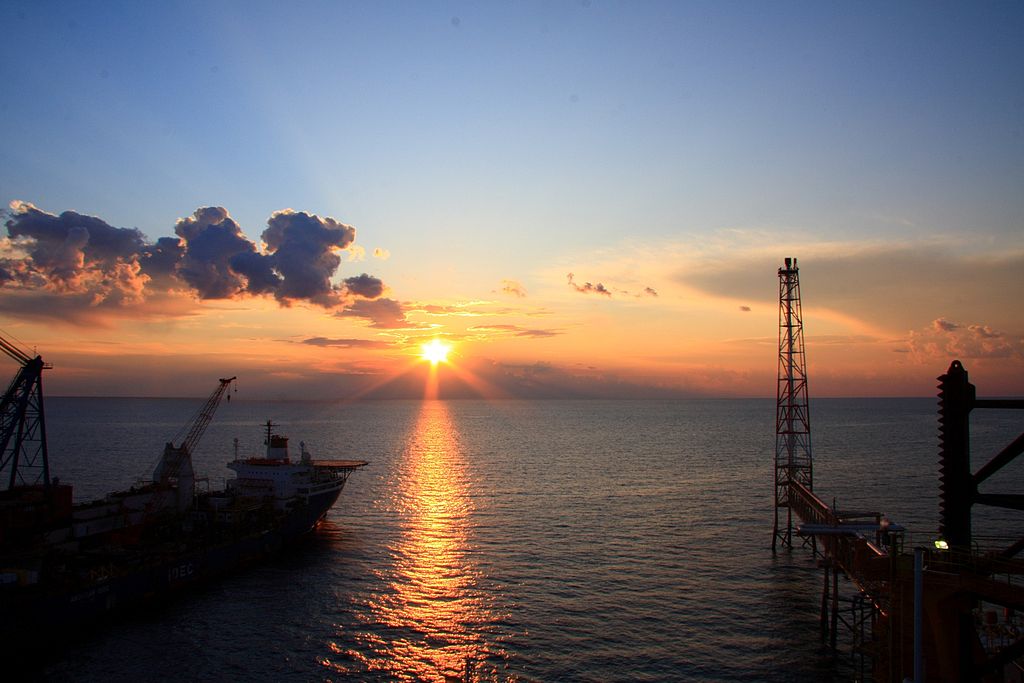
The Strait of Hormuz, a vital pathway for global oil flow, has seen nearly all commercial tanker traffic cease due to attacks and threats, leading to cuts in output from major oil producers. Seyed Ali Mousavi, Iran’s envoy to the International Maritime Organization, confirmed Iran would determine vessel passage, already approving ships to China and other Asian destinations.
Iranian missiles hit Dimona and Arad in Israel, injuring 64 people and penetrating Israeli air defense systems for the first time in that area, a development Iran's Parliament Speaker Mohammad Bagher Ghalibaf called a "new phase of the battle." Israeli Prime Minister Benjamin Netanyahu toured Arad, while Israel's national security minister, Itamar Ben-Gvir, declared a "historic battle" against Iran. The U.N. nuclear watchdog reported no damage or abnormal radiation levels at the Israeli nuclear center.
Israel denied responsibility for an earlier attack on Iran's Natanz nuclear enrichment site. The conflict, now in its fourth week, is moving in a dangerous new direction.