News
Energy · Geopolitics · Middle East Conflict · Oil Prices
The U.S.-Israeli conflict with Iran has dramatically escalated, plunging the Middle East into a new phase of direct attacks on critical energy infrastructure.
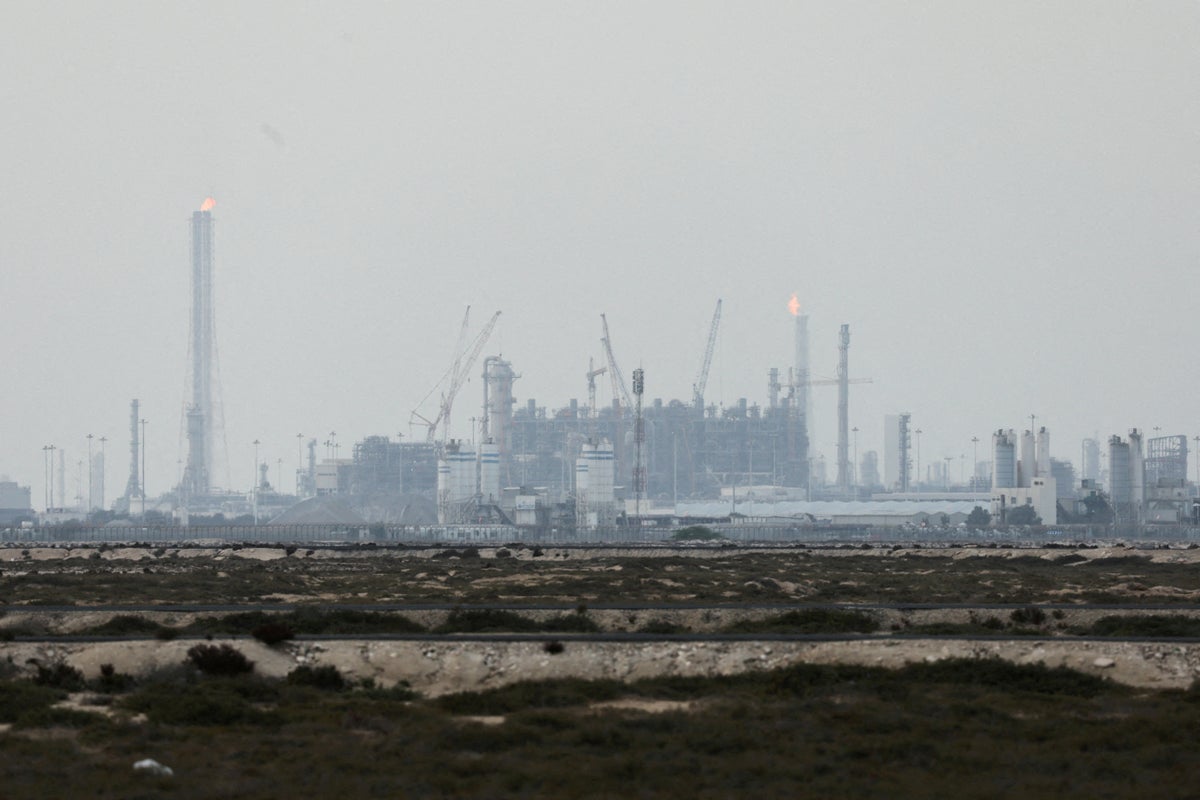
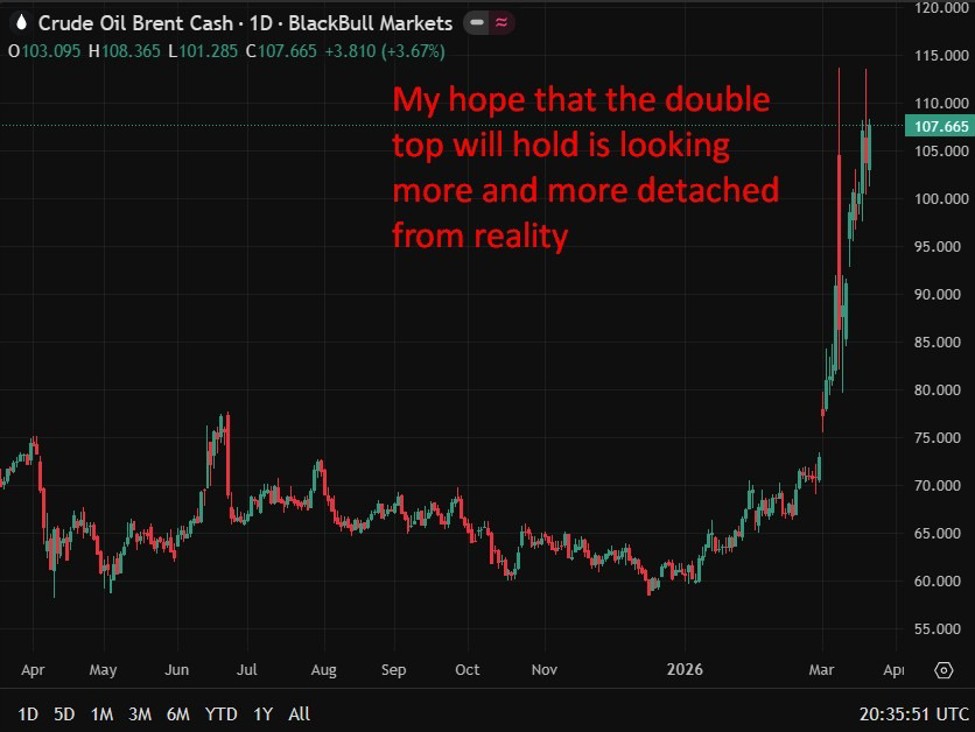
Iran's Pars gas field was reportedly hit, prompting Iranian retaliation against Qatar's Ras Laffan Industrial City, Saudi Arabian targets including Riyadh and an eastern gas facility, and missile strikes on Israeli cities. This escalation follows the killing of senior Iranian officials and Iran's prior closure of the Strait of Hormuz, which handles 20% of global oil and LNG. The conflict has sent Brent crude prices surging 5% to over $108 and pushed U.S. diesel prices above $5 a gallon, fueling inflation and raising political stakes for President Trump.
U.S. producer prices saw their largest increase in seven months in February. The Trump administration plans immediate actions to address rising gas prices.
The EU is advocating for a diplomatic solution and safe passage through the Strait of Hormuz. The direct targeting of energy assets, previously avoided, signals a severe and potentially lasting disruption to global energy supplies, with Iran explicitly listing further regional oil and gas facilities as legitimate targets.
The human cost is also significant, with thousands killed across Iran, Lebanon, and Israel.
Iran Conflict Escalates, Araghchi Halts US Talks, Oil Surges
Iran Adopts Russia's Drone Swarm, Challenges US Defenses
Trump Escalates Iran War, DHS Fails, Markets React