News
Defense Spending · Geopolitics · Middle East Conflict · Missile Defense
The article describes an ongoing "endurance race" in the Middle East where Iranian missile and drone attacks are testing the integrated air defense systems of the United States and its allies, including Israel, with hundreds of ballistic missiles intercepted but a "non-negligible number" still penetrating defenses.
Iran launched nearly 400 missiles and 1,000 drones towards the United Arab Emirates, Kuwait, Bahrain, Qatar, and Jordan in the first two days, Mintel World stated. This figure excludes Iran's main target, Israel.
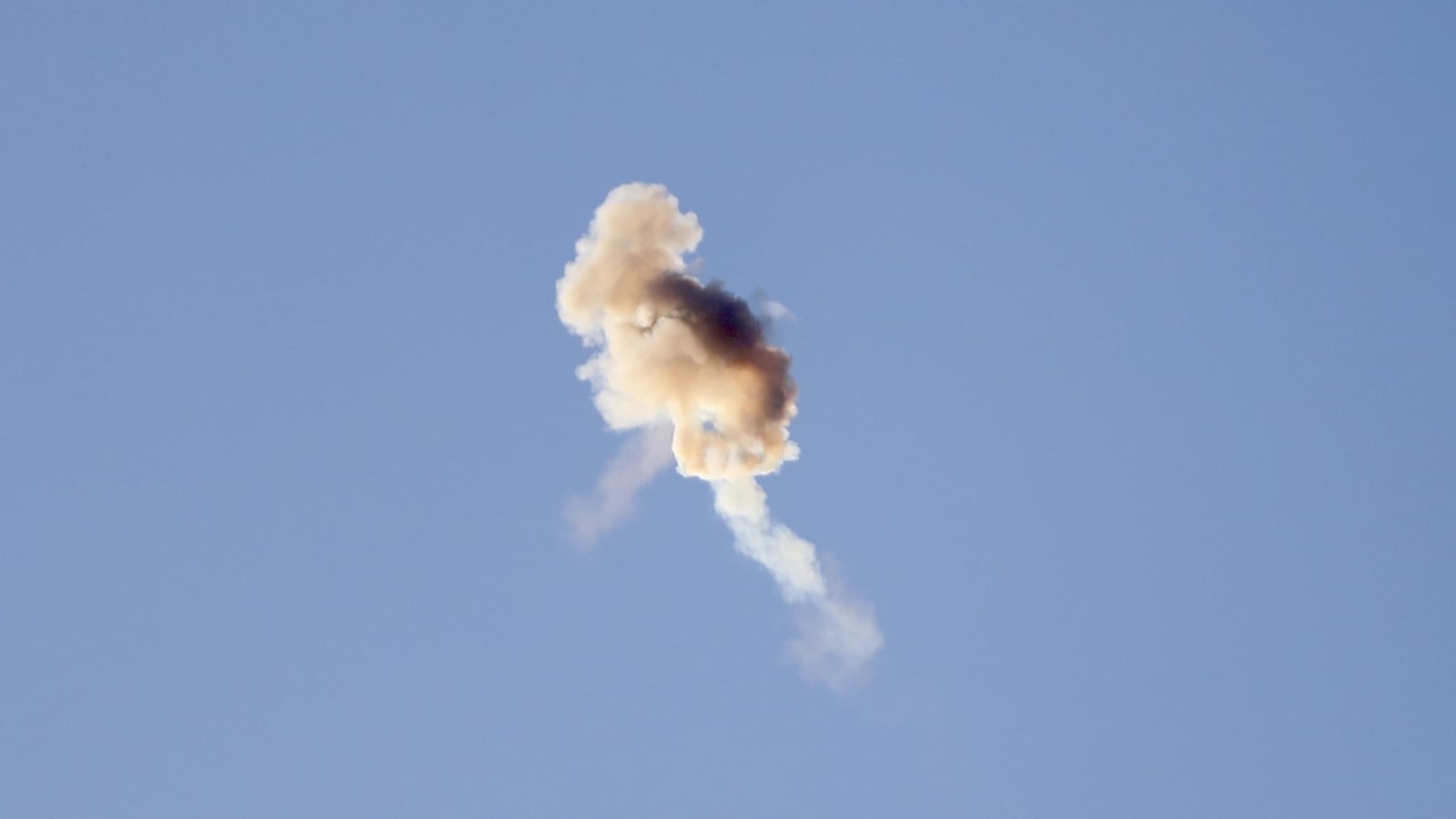
Scott Benedict, an expert at the US-based Middle East Institute, characterized the conflict as an "endurance race" of munitions. General Dan Caine, top US military officer, confirmed the integrated air and missile defense network is working "exactly as it's intended," intercepting "hundreds" of ballistic missiles.
However, the sustainability of these expensive, limited-supply interceptor systems is an open question. An Israeli security source reported Iran's ballistic missile production is "increasing rapidly." US Defence Secretary Pete Hegseth described the strategy as "shooting the archer instead of the arrows," targeting Iran's launch vehicles.
Etienne Marcuz, a researcher at the France-based Foundation for Strategic Research, noted recent Iranian salvos are smaller than those in June and October 2024, questioning Tehran's offensive capabilities. Despite smaller attacks, Marcuz stated a "non-negligible number of missiles are still getting through," indicating defenses are less watertight and Israel must economize interceptors.
Hegseth and Benedict asserted the United States and its allies possess sufficient interceptors for "some time" and a "deeper magazine" than Iran. Marcuz explained the attacker's advantage, requiring "at least two" interceptors per ballistic missile.
Interceptor production is low, with only 96 Thaad missiles and 600 PAC-3 MSE munitions produced annually; The Wall Street Journal reported 150 Thaads were fired during a 12-day war. Marcuz warned existing stock will not last long, stressing the need to destroy Iran's launchers, but concluded completely eliminating Iran's ballistic missile threat is unrealistic, expecting "low but constant pressure for years."
Iran Conflict Escalates, Araghchi Halts US Talks, Oil Surges
Iran Adopts Russia's Drone Swarm, Challenges US Defenses
Iran Missile Barrages Test US, Israel Defenses(current)
Trump Escalates Iran War, DHS Fails, Markets React