
News
Defense Spending · Drone Warfare · Geopolitical Risk · Military Technology
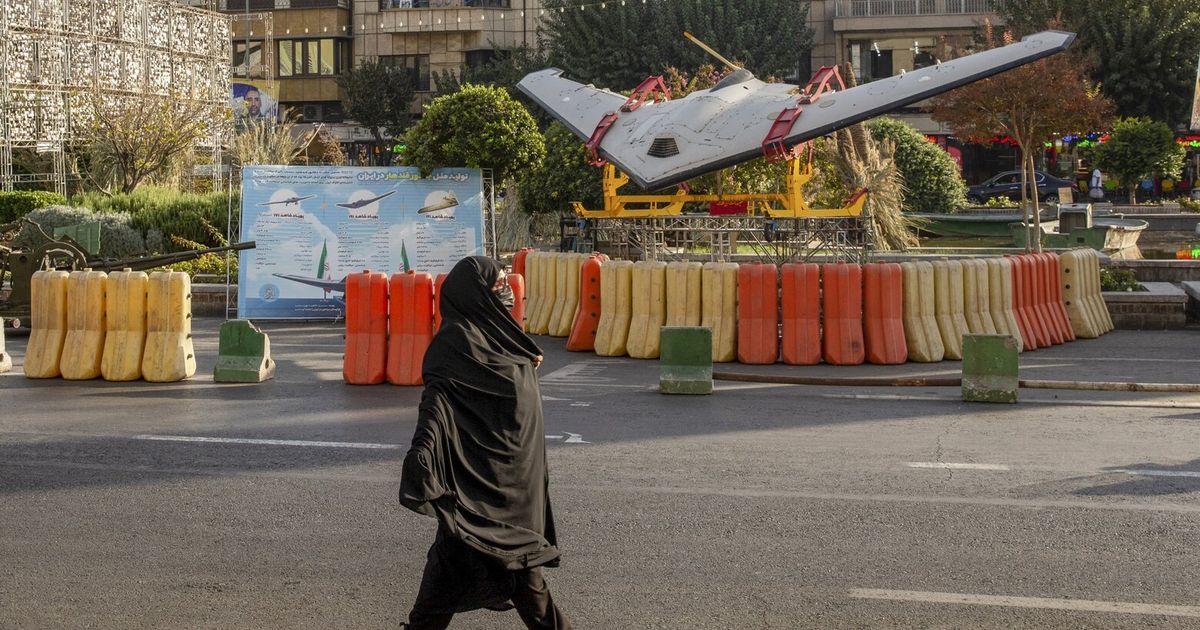
The United States and its allies are effectively intercepting Iran's low-cost drones in the Middle East, but face a significant economic disadvantage, with interception costs ranging from 10 to 70 times the cost of launching a drone, according to Arthur Erickson, CEO and co-founder of Hylio.
While the U.S. maintains air superiority, Iran's strategy leverages inexpensive drones for precision attacks against sophisticated, costly air defense systems deployed by the U.S. and its partners. This creates a substantial financial burden, as each interception of a cheap Iranian drone by a high-value missile drains defense budgets at an unsustainable rate.
Erickson emphasizes this as a "money game" heavily favoring Iran, highlighting that the mathematical reality of this asymmetric warfare is not on America's side. This dynamic poses a long-term fiscal challenge for sustained defense operations and resource allocation in the region, necessitating a strategic re-evaluation of counter-drone technologies and cost efficiencies.
Iran Conflict Escalates, Araghchi Halts US Talks, Oil Surges
Iran Adopts Russia's Drone Swarm, Challenges US Defenses
US Faces Cost Disadvantage in Drone Warfare(current)
Trump Escalates Iran War, DHS Fails, Markets React