Araverus
NewsMarketsGuides
News
HeadlinesThreads
© 2026 Araverus
AboutContactPrivacyTerms
News/Markets/Commodities Futures

US-Iran Ultimatum Escalates Hormuz Tensions, Oil Surges

Araverus Team|Monday, March 23, 2026 at 7:57 AM

US-Iran Ultimatum Escalates Hormuz Tensions, Oil Surges

Araverus Team

Mar 23, 2026 · 7:57 AM

Geopolitics · Hormuz · Iran · Oil

GeopoliticsHormuzIranOil

Key Takeaway

Geopolitical tensions in the Middle East are driving significant upside in oil prices. This means increased inflation expectations for global economies and a flight to safe-haven assets like gold and the US Dollar, while broader risk assets face heightened volatility.

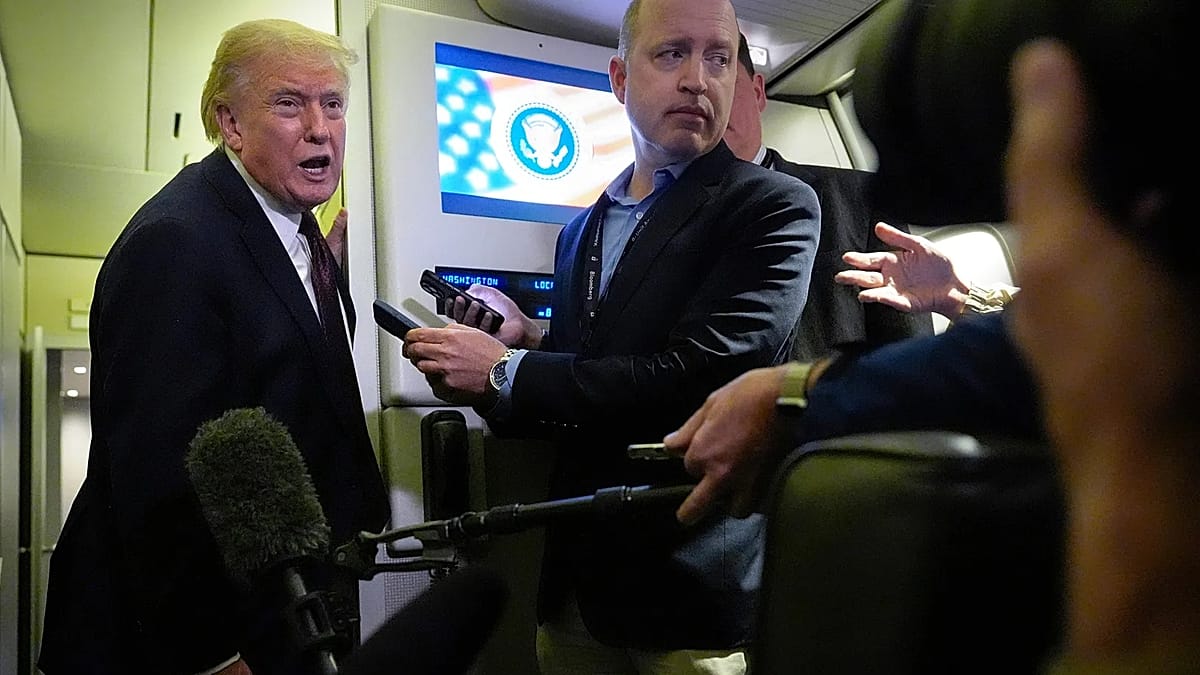
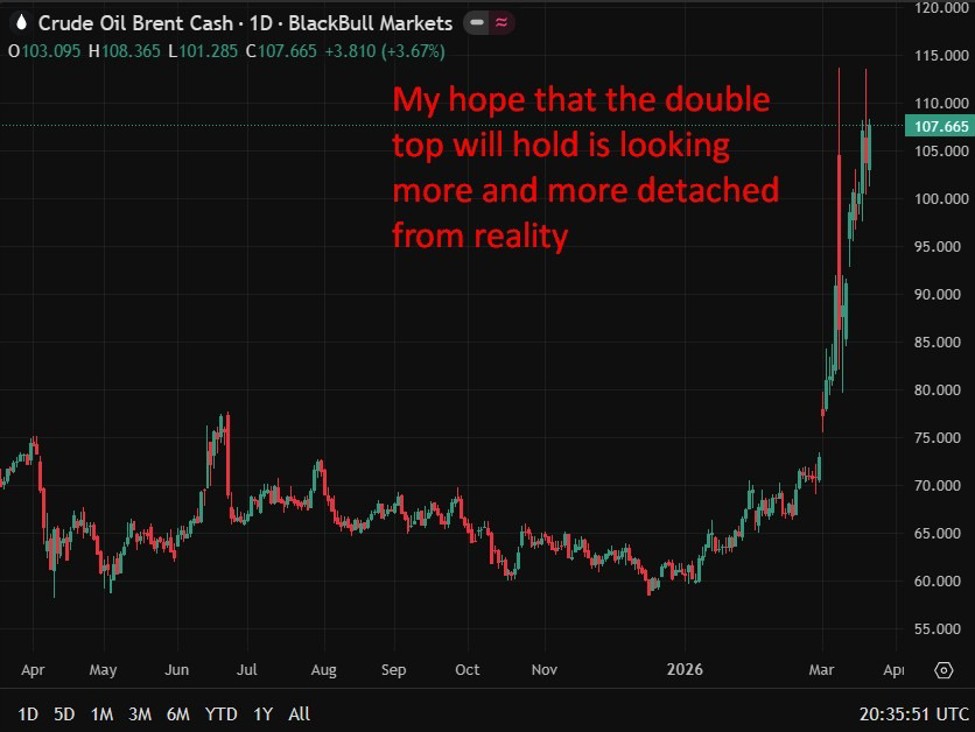
US President Donald Trump issued a 48-hour ultimatum to Iran demanding the immediate reopening of the Strait of Hormuz, prompting Iran to warn of broad retaliation targeting US, Israeli, and Gulf energy infrastructure, which drove Brent crude prices to near four-year highs.

The deadline expires Monday evening in New York, placing markets on high alert for further developments. Iran responded with a stark warning, signaling any US attack triggers a broad retaliation campaign targeting American- and Israeli-linked energy assets across the Gulf.

Officials also indicated the Strait of Hormuz could shut indefinitely, raising the risk of severe and prolonged disruption to global oil flows. Analysts confirm this standoff represents a significant escalation, with both sides willing to raise stakes rather than de-escalate.

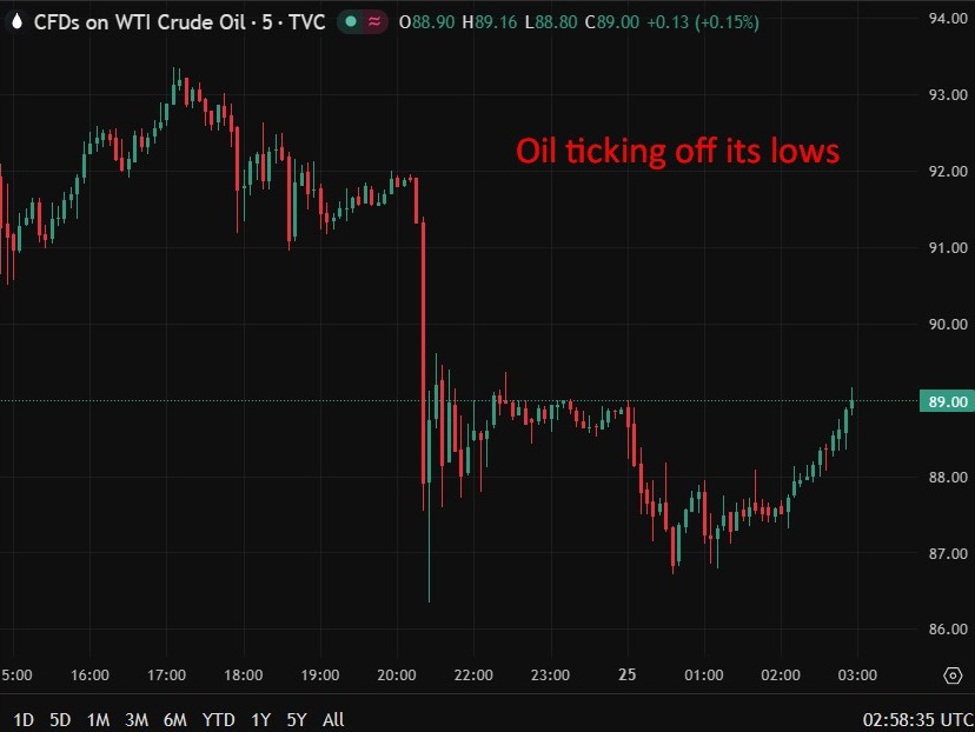
The confrontation injected fresh geopolitical risk into energy markets, with traders bracing for further volatility. Oil prices surged into the weekend, settling at their highest level since mid-2022 on Friday.

Market participants increasingly price in sustained supply disruptions, given Hormuz's strategic importance. Since the conflict began, disruptions linked to the partial closure of the Strait have already removed an estimated 440 million barrels of supply from global markets.

Iran has targeted ports and refinery infrastructure across several Gulf states. Analysts warn damage to desalination facilities, which Iran has so far avoided, triggers a humanitarian crisis, with some Gulf cities at risk of becoming uninhabitable within weeks due to water shortages and cascading power failures.

The International Energy Agency (IEA) estimates it takes up to six months to fully restore flows, even if conditions stabilize. Reports suggest the US considers more aggressive measures, including a blockade or seizure of Iran’s key export hub at Kharg Island, further underscoring escalation risk.
Read More On

Oil Rises as U.S., Iran Exchange Threatswsj.comOil prices rise on U.S.-Iran tensions; broader selloff caps gains - CNBCcnbc.comOil prices rise while gold sinks as the US and Iran trade threats - Business Insiderbusinessinsider.comU.S. crude oil tops $80 per barrel as escalating Iran war disrupts global fuel supplies - CNBCcnbc.comUS crude spikes 3% as Iran threatens to hit Gulf power infra over Trump warning - Reutersreuters.com

Related Articles

World★★★Similarity: 86% · 3d ago

The Critical Energy Assets Hit in the Gulf

Refineries, gas plants and other types of infrastructure have been struck, worsening an oil-and-gas crisis.

World★★★Similarity: 86% · 3d ago

Trump’s Iran War Frays Ties With Allies as Oil Prices Surge

Multiple countries are offering assistance but not on the scale that the White House wants.

World★★★Similarity: 85% · 4d ago

Escalating Attacks on Gulf Energy Assets Plunge Iran War Into New Phase

Strikes targeting infrastructure in Iran, Qatar and Saudi Arabia have put strategic oil-and-gas facilities at the center of the conflict.

Markets★★★Similarity: 85% · 4d ago

Oil Could Jump to $120 or Even Higher If Iran Threats Materialize

Threatened strikes on key energy facilities in Saudi Arabia, the UAE, and Qatar could push oil prices past $120 a barrel immediately, according to Rystad Energy.