News
Energy Prices · Geopolitics · Middle East · Oil
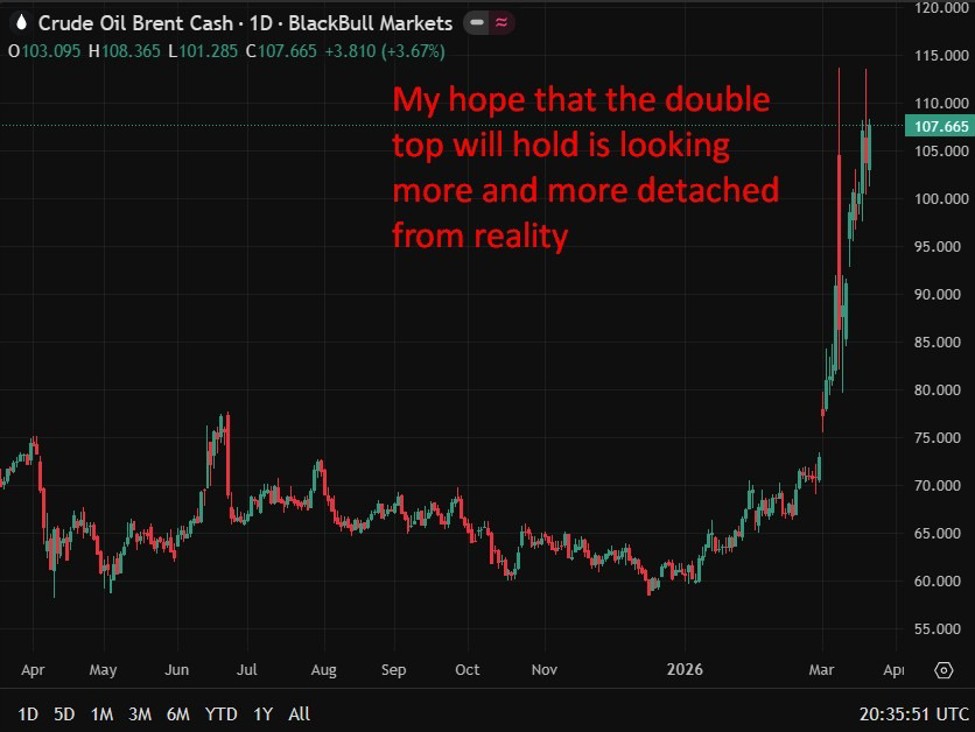
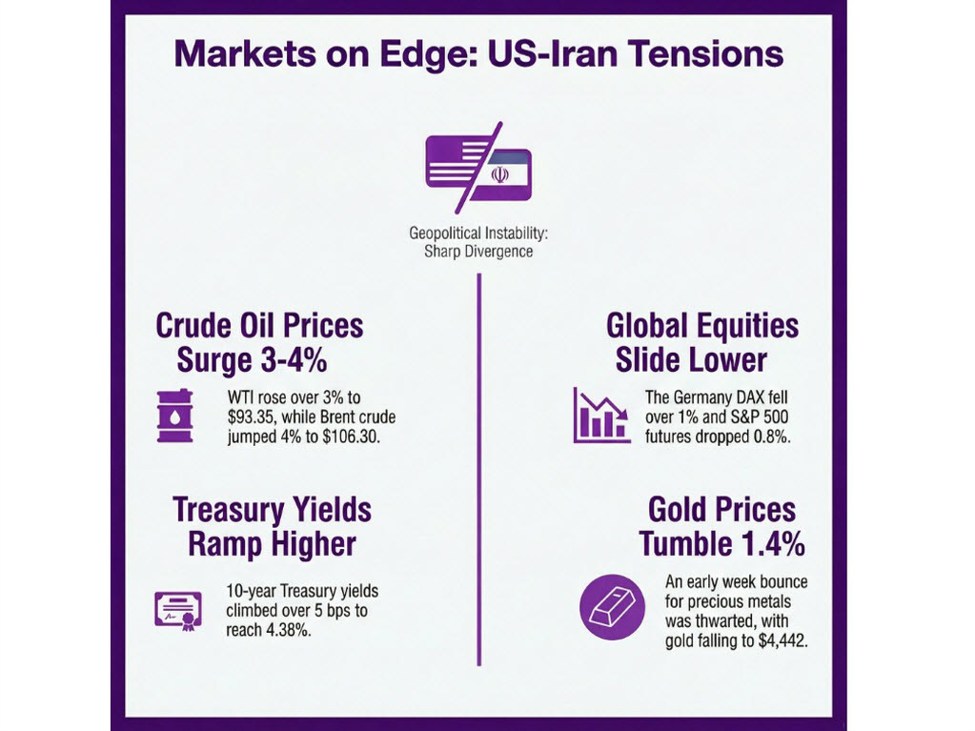
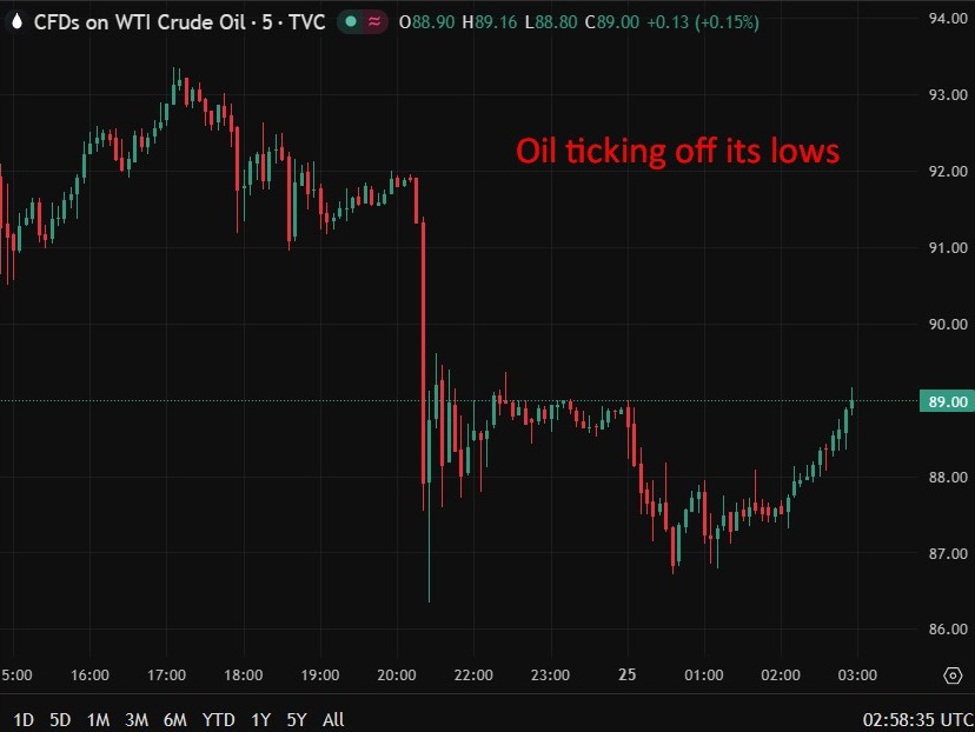
Oil prices increased as Iran's maximalist ceasefire demands, including US base closures and sanctions removal, clashed with a significant US military buildup of approximately 10,000 additional troops, causing markets to doubt near-term de-escalation and elevating geopolitical risk.
Iran's response to US ceasefire proposals, as reported by the Wall Street Journal, includes demands for the closure of all US military bases in the Gulf, removal of all sanctions, an end to Israeli operations against Hezbollah, and a new framework for the Strait of Hormuz allowing Iran to charge transit fees, explicitly excluding ballistic missile program negotiations. US officials characterize these conditions as unrealistic, significantly reducing the likelihood of a near-term agreement.
Concurrently, the United States proceeds with a substantial military buildup, deploying elite units like the 82nd Airborne Division and two Marine Expeditionary Units, adding roughly 10,000 troops to the region, bringing total US forces to around 60,000. President Trump maintains a dual-track approach of diplomacy and military options, but planning assumptions indicate another two to three weeks of conflict are expected even with ongoing talks.
Regional tensions manifest with a drone strike hitting a fuel tank at Kuwait International Airport, reported by CNN, and air raid sirens activating in Kuwait and Bahrain following Iranian attacks. This combination of maximalist demands, military escalation, and direct infrastructure strikes shifts market sentiment toward caution, driving oil prices higher as traders anticipate prolonged disruptions to Gulf energy flows and firmly embed geopolitical risk premia.