News
Geopolitics · Gulf Economy · Market Volatility · Supply Chain
Iran's retaliatory strikes across the Gulf have unleashed widespread business disruption, marking the most significant regional upheaval since the COVID-19 pandemic.
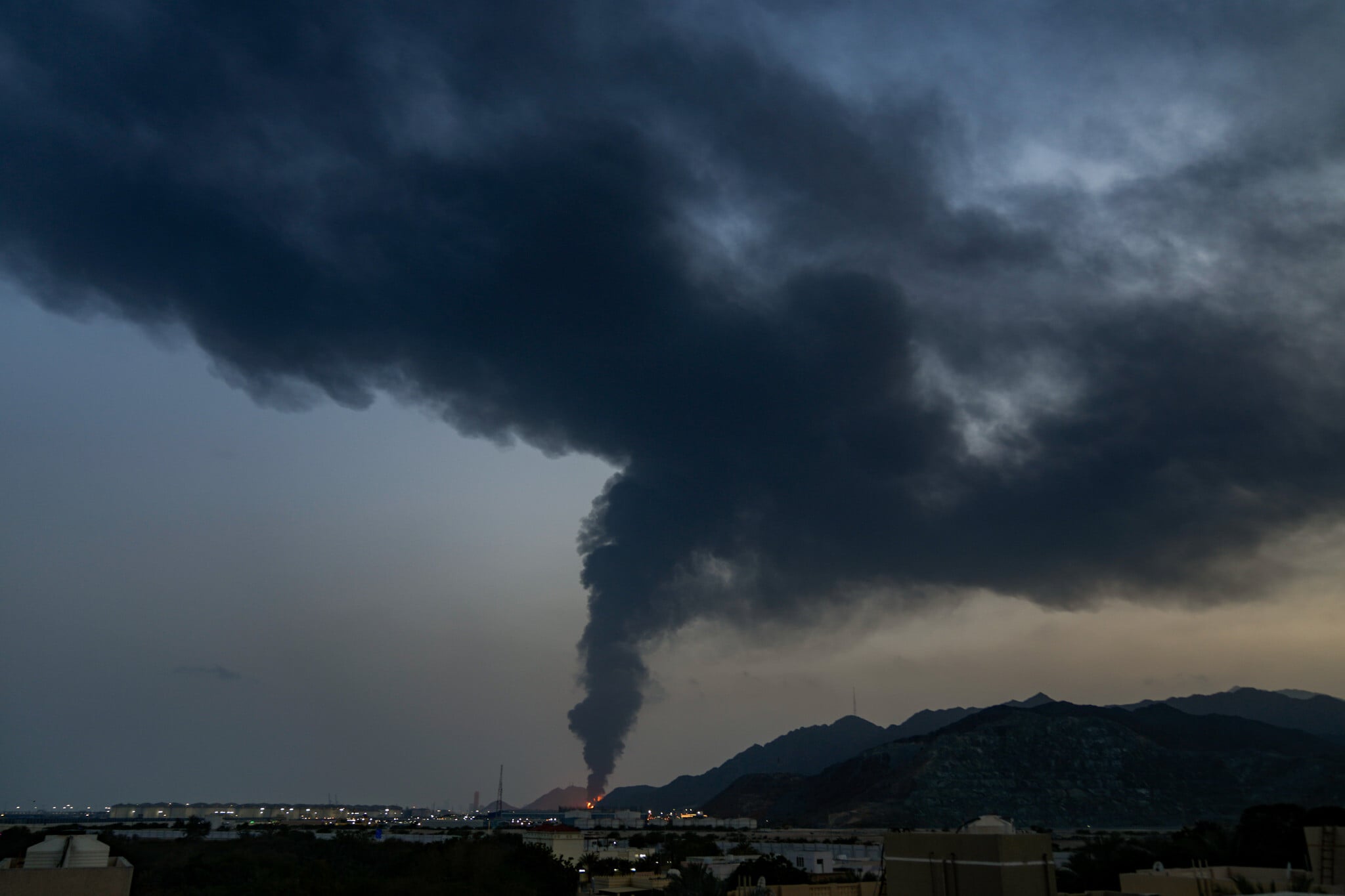
The attacks, a response to a joint U.S.-Israeli assault, impacted major Gulf states, causing airport closures, grounded flights, halted port operations, and significant damage to infrastructure including Dubai and Abu Dhabi airports, Jebel Ali Port, and luxury hotels. Financial markets reacted sharply, with Saudi Arabia's benchmark index dropping over 4% at open, and other Gulf markets, along with Asian equities, experiencing declines.
Brent crude prices surged to $78 a barrel. The UAE took the rare step of closing its exchanges, while Kuwait suspended trading.
Analysts note a mixed economic impact, with elevated oil prices providing a fiscal cushion for producers like Saudi Arabia and Qatar, but trade, logistics, and tourism sectors, particularly in the UAE, facing severe pressure. The disruption also impacted crucial Ramadan networking events and led to increased war-risk insurance premiums for shipping, further exacerbating supply chain concerns and travel restrictions.
Iran Conflict Escalates, Araghchi Halts US Talks, Oil Surges
Iran Adopts Russia's Drone Swarm, Challenges US Defenses
Trump Escalates Iran War, DHS Fails, Markets React