News
Energy Markets · Equity Volatility · Geopolitics · Inflation
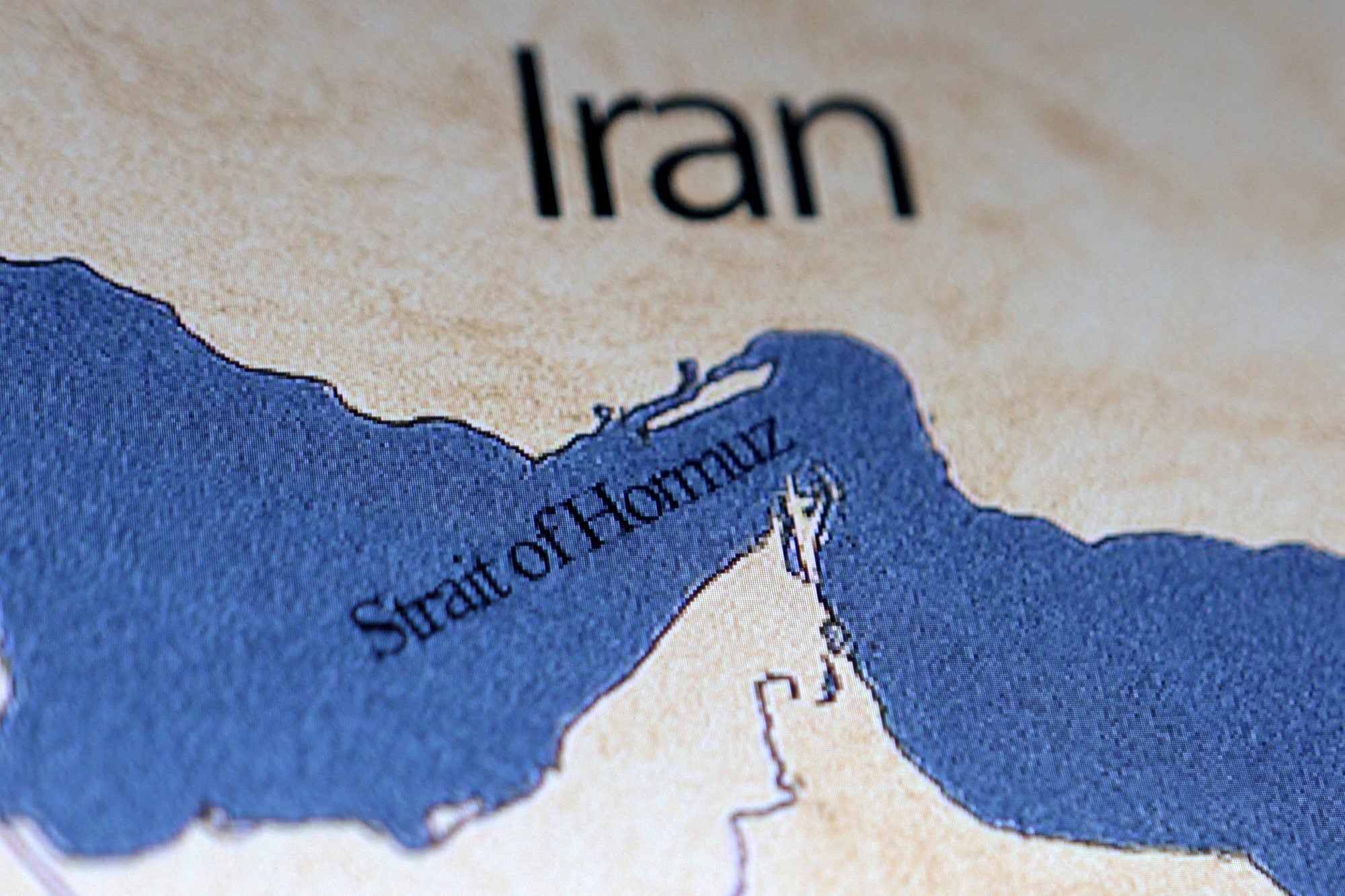
The formal commencement of the Iran war, marked by US and Israeli strikes on Iranian leadership and infrastructure, and subsequent Iranian retaliation including the closure of the Strait of Hormuz, has sent significant shockwaves through global energy and financial markets.
While the US, largely energy self-sufficient, anticipates temporary price spikes, a sustained disruption of the Strait of Hormuz, which handles 20 million barrels of oil daily, could push crude prices above $100 per barrel. This would reignite inflation, potentially elevating US CPI from 2.4% to over 4%, and constrain central bank rate cuts.
Historically, equity markets experience short-term volatility during conflicts, with average drawdowns of 11-12% followed by recoveries averaging 12-13% within a year. Investors are now strategically positioning in defence and energy stocks, and gold, while monitoring the conflict's duration and its disproportionate impact on major energy importers like China and Europe.