
News
Energy Prices · Geopolitical Risk · Inflation · Market Volatility
Global financial markets experienced significant turbulence following U.S. and Israeli military strikes on Iran, escalating the Middle East conflict.
Major indices across the U.S., Europe, and most of Asia saw declines, with S&P 500 and Dow futures falling approximately 1%, Germany's DAX down 1.9%, and Hong Kong's Hang Seng losing 2.1%. Concurrently, energy prices surged, with U.S. benchmark crude rising over 8% to $72.70 per barrel and Brent crude jumping 9% to nearly $79.19.
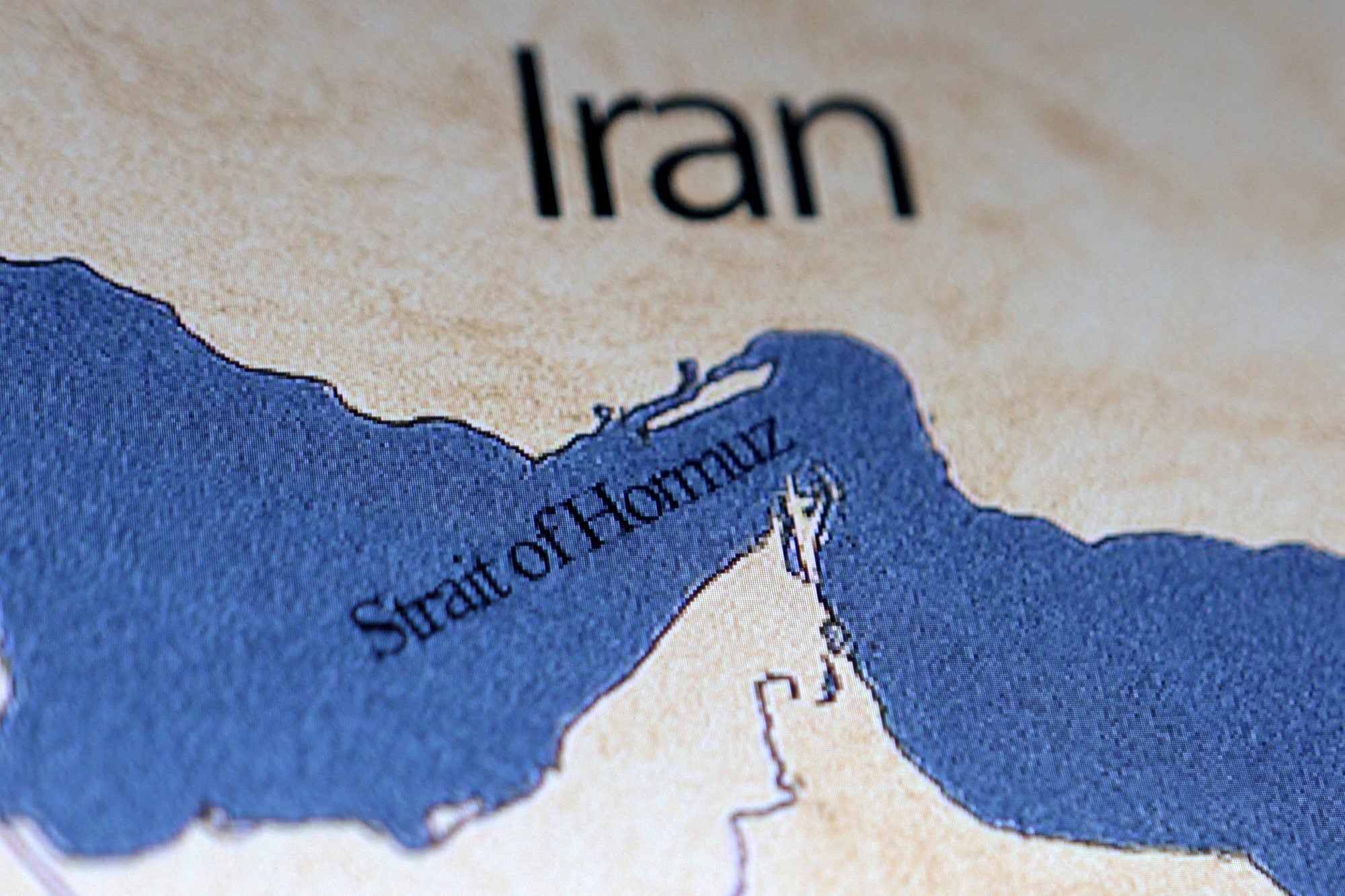
Natural gas futures also climbed 6%, and fuel for transportation spiked over 14%. This sharp increase in energy costs is largely attributed to fears of disrupted oil and LNG flows through the critical Strait of Hormuz, which handles one-fifth of global energy shipments.
Iran's 1.6 million barrels per day of oil exports, primarily to China, are now at risk. Investors sought safety in gold, which rose 3.1% to $5,408.10 per ounce, and the U.S. dollar strengthened.
Travel-related stocks tumbled, while defense shares in Japan advanced. Adding to market fragility, a higher-than-expected U.S. wholesale inflation report (2.9% vs.
1.6% forecast) suggests the Federal Reserve may delay interest rate cuts, further dampening economic outlooks.