News
Asian Economies · Energy Security · Geopolitical Risk · Oil Markets
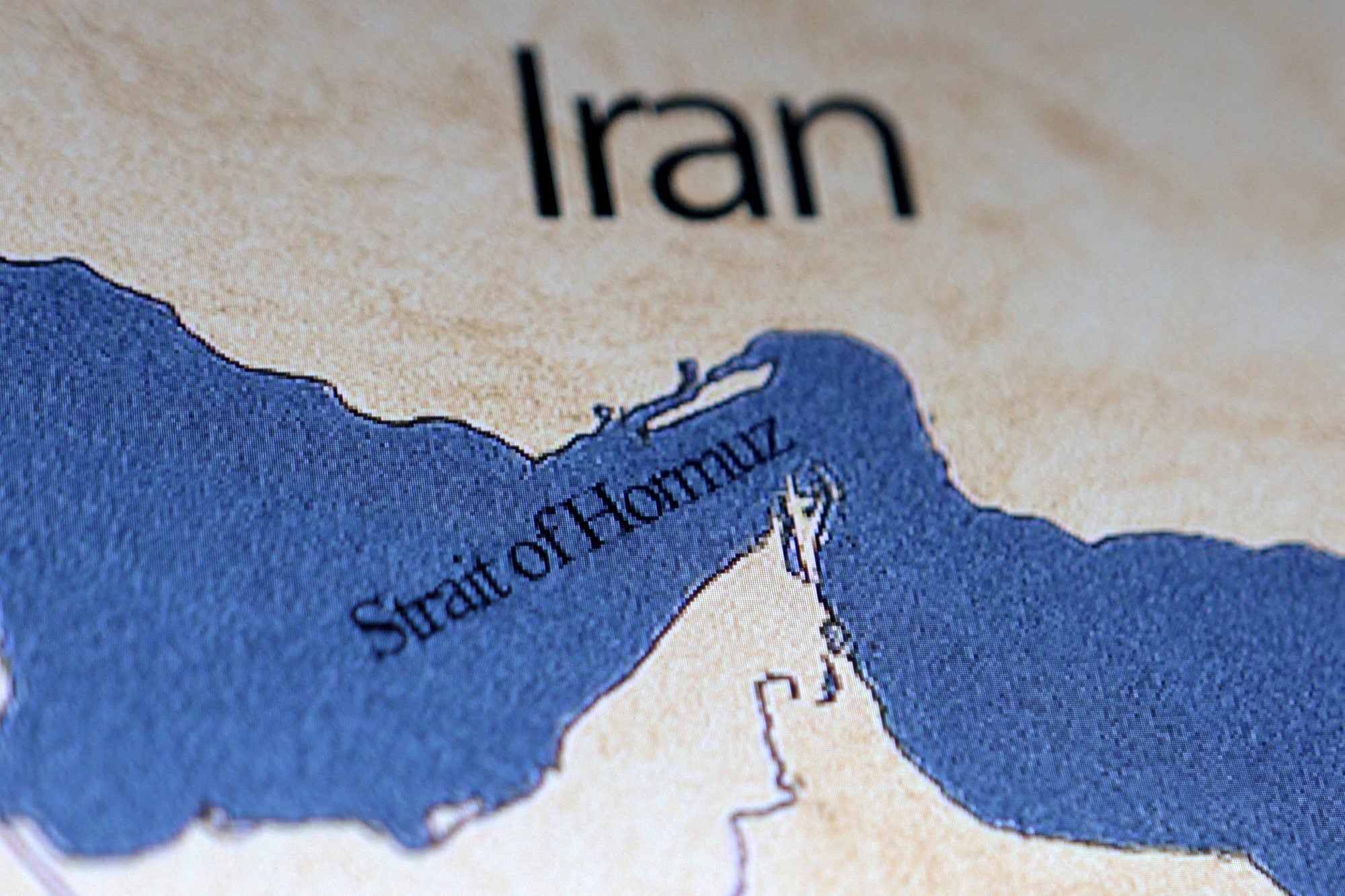
Global energy markets are in turmoil following the escalation of conflict in the Persian Gulf and the closure of the Strait of Hormuz, a critical chokepoint for a fifth of global crude oil and liquefied natural gas (LNG) trade.
This disruption has already driven Brent crude prices up 15% to approximately $84 per barrel. Asia, heavily reliant on imported energy, is the most vulnerable region, with over 80% of LNG shipped through the Strait destined for its markets. Major Asian economies face severe economic headwinds.
China, the world's largest crude importer, possesses strategic reserves and alternative suppliers like Russia, but will contend with significantly higher import costs. India, the third-largest importer, has less than a month's crude reserves, making it highly susceptible to rapid price spikes, inflation, and a depreciating rupee.
East Asian industrial powerhouses—Japan, South Korea, and Taiwan—are acutely exposed, with near-total reliance on energy imports from the Middle East. While they hold temporary stockpiles, their energy-intensive sectors, such as Taiwan's semiconductor industry, remain vulnerable.
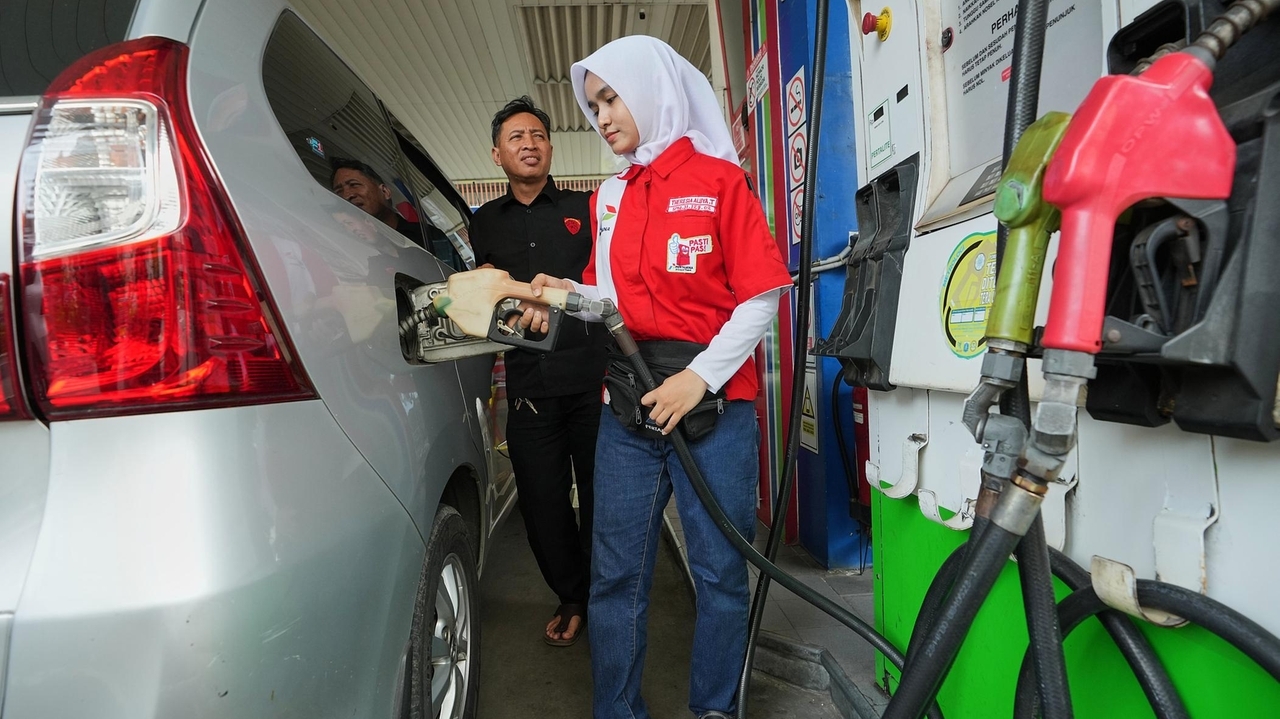
Developing Southeast Asian nations risk being outbid by wealthier countries for scarce supplies, leading to increased energy bills and potential economic slowdowns across the region. The crisis underscores the urgent need for greater investment in renewable energy as a strategic hedge against geopolitical volatility.