News

Crude Oil · Geopolitics · Market Volatility · West Asia
The provided article underscores the significant impact of escalating geopolitical tensions in West Asia, particularly involving the US, Iran, and Israel, on global financial markets.
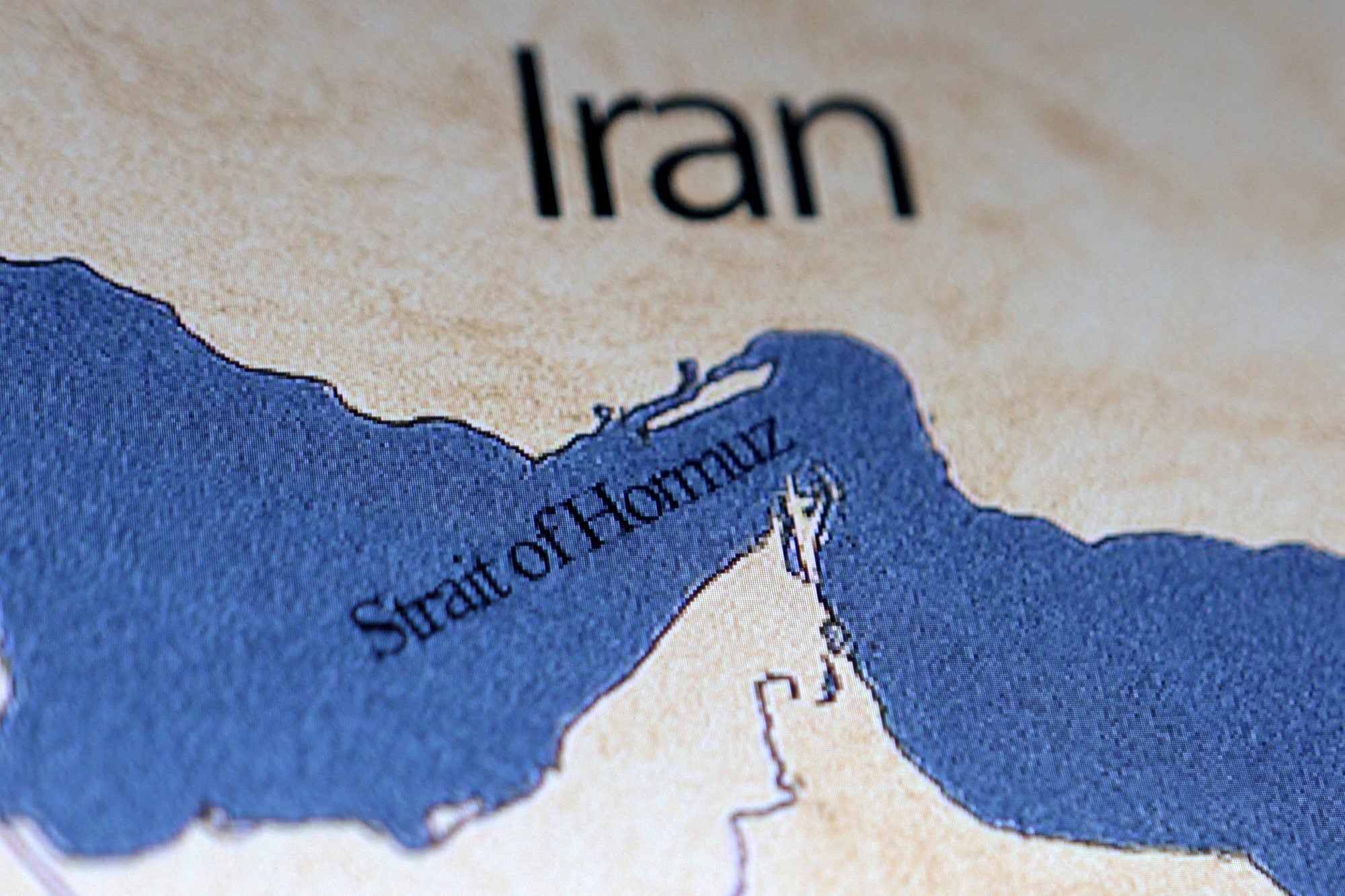
This persistent instability is identified as the primary catalyst for heightened volatility in crude oil prices and a pervasive cautious sentiment among investors worldwide. Key concerns revolve around the potential for severe disruptions to vital energy supplies and critical shipping routes traversing the region, which directly influence global commodity markets.
Analysts are unanimous in their assessment that these ongoing geopolitical risks are a dominant factor shaping investor sentiment and driving price fluctuations, especially for crude oil, given the region's central role in global energy production. The broader narrative within the article and its supplementary content points to an active conflict, with reports of direct military engagements between Iran and Israel, US strategic involvement, and wider regional repercussions, including missile interceptions by Saudi Arabia and significant casualties in Lebanon.
This complex and intensifying situation portends a sustained period of market uncertainty, carrying substantial implications for global economic stability. Notably, the article highlights the potential for increased stagflation risks in major economies like China, directly attributable to the upward pressure on oil prices.
The intricate web of these geopolitical developments vividly illustrates the inherent fragility of global supply chains and the profound influence of regional conflicts on international investor confidence.