News

Geopolitics · Inflation · Interest Rates · Oil Prices
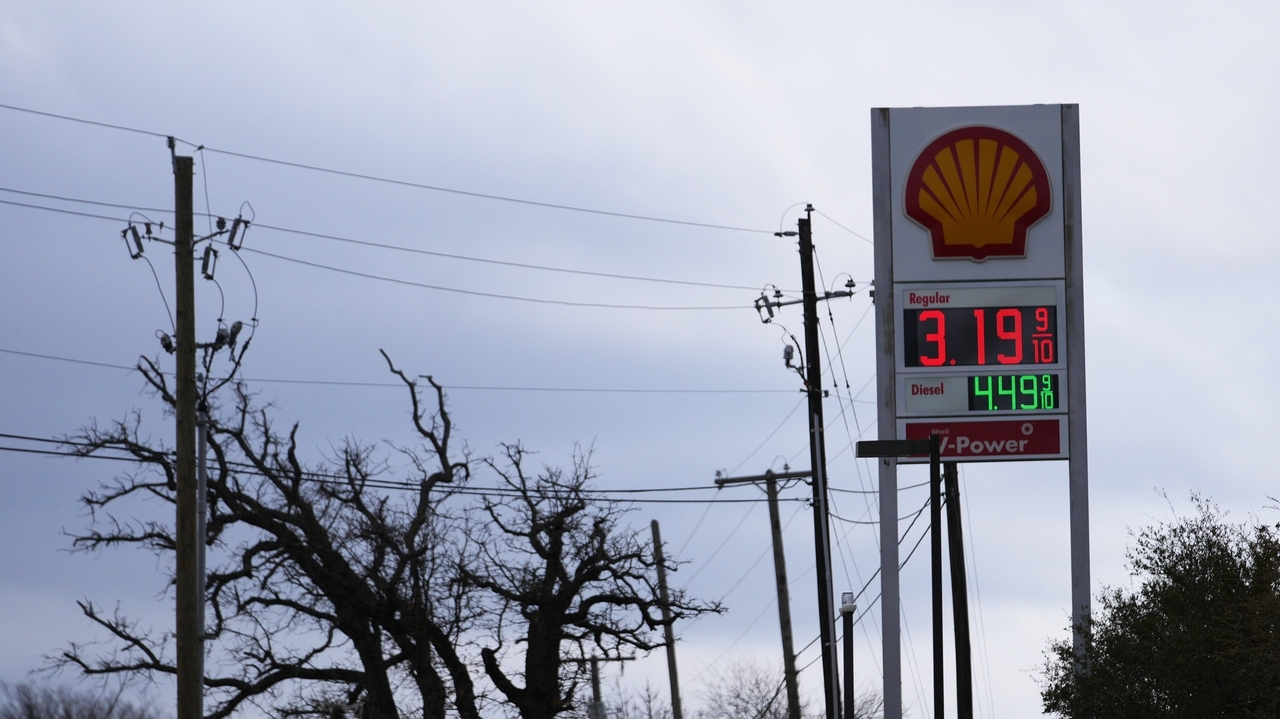
Escalating Middle East tensions, particularly the Iran conflict and risks to the Strait of Hormuz, are driving a significant surge in oil prices, with Brent crude already surpassing US$110 a barrel and analysts warning of a potential spike to US$150.
This geopolitical instability threatens to reignite global inflation, injecting price shocks across transport, supply chains, manufacturing, and consumer goods, as oil is fundamental to modern economies. Many investors had positioned portfolios for falling interest rates, an assumption now in serious doubt.
Central banks, including the Federal Reserve, ECB, Bank of England, and Reserve Bank of Australia, will likely be compelled to maintain elevated borrowing costs for longer to prioritize price stability. Financial markets may be underestimating the speed and severity of this dynamic, as geopolitical crises can escalate rapidly, causing dramatic oil price movements.
Historically, energy shocks have reshaped inflation cycles and monetary policy, as seen in the 1970s. This shift implies a different macroeconomic environment, impacting all asset classes—equities, bonds, and currencies.
Energy-intensive sectors face margin pressure, while diversification across sectors, regions, and asset classes becomes crucial. Energy and commodity-linked sectors may benefit from sustained price strength.