News
Consumer Spending · Inflation · Iran War · Oil Prices
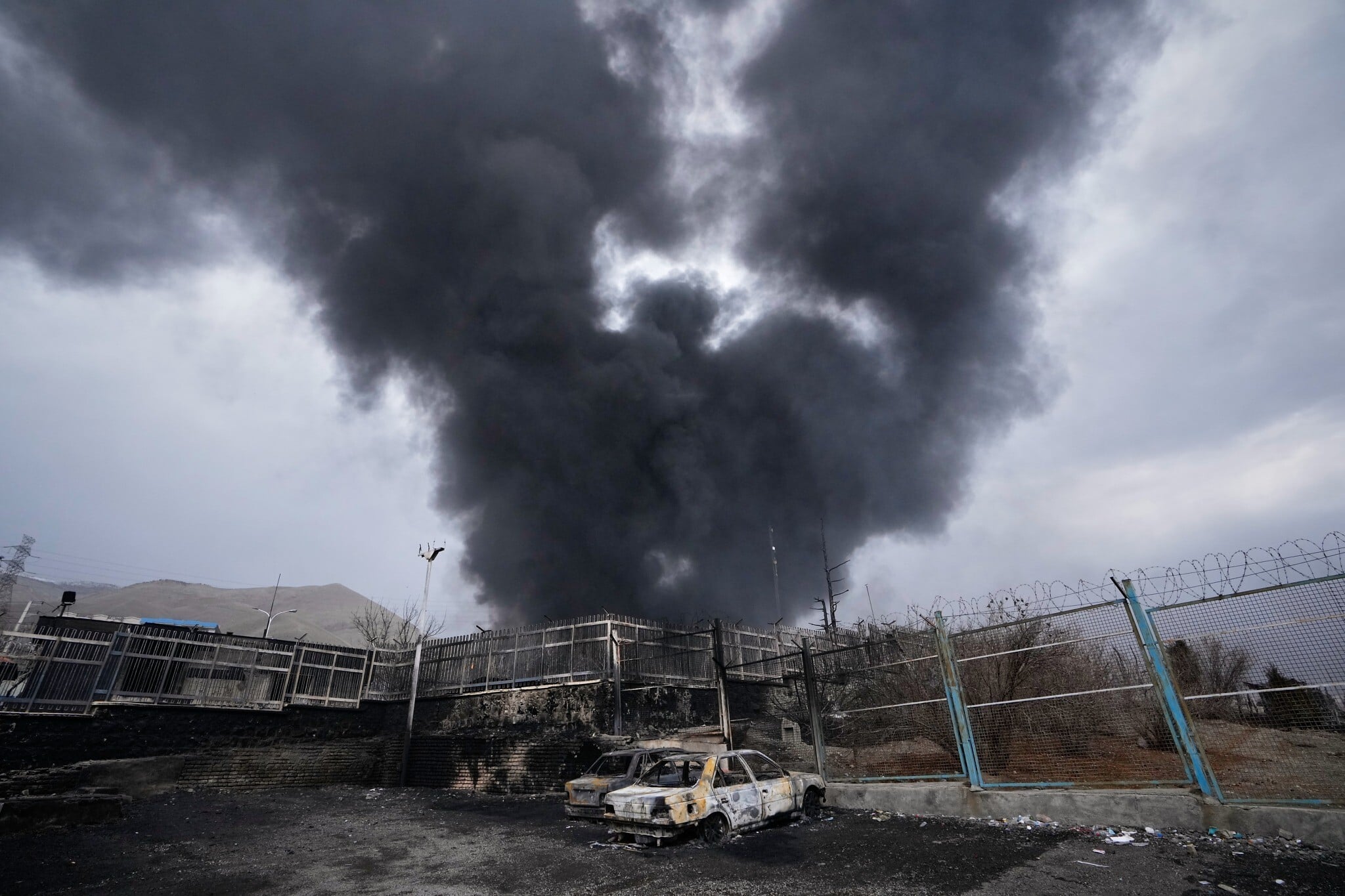
The ongoing Iran war has propelled crude oil prices above $110 a barrel, a level not seen since 2022, causing significant disruptions to global energy production and supply chains.
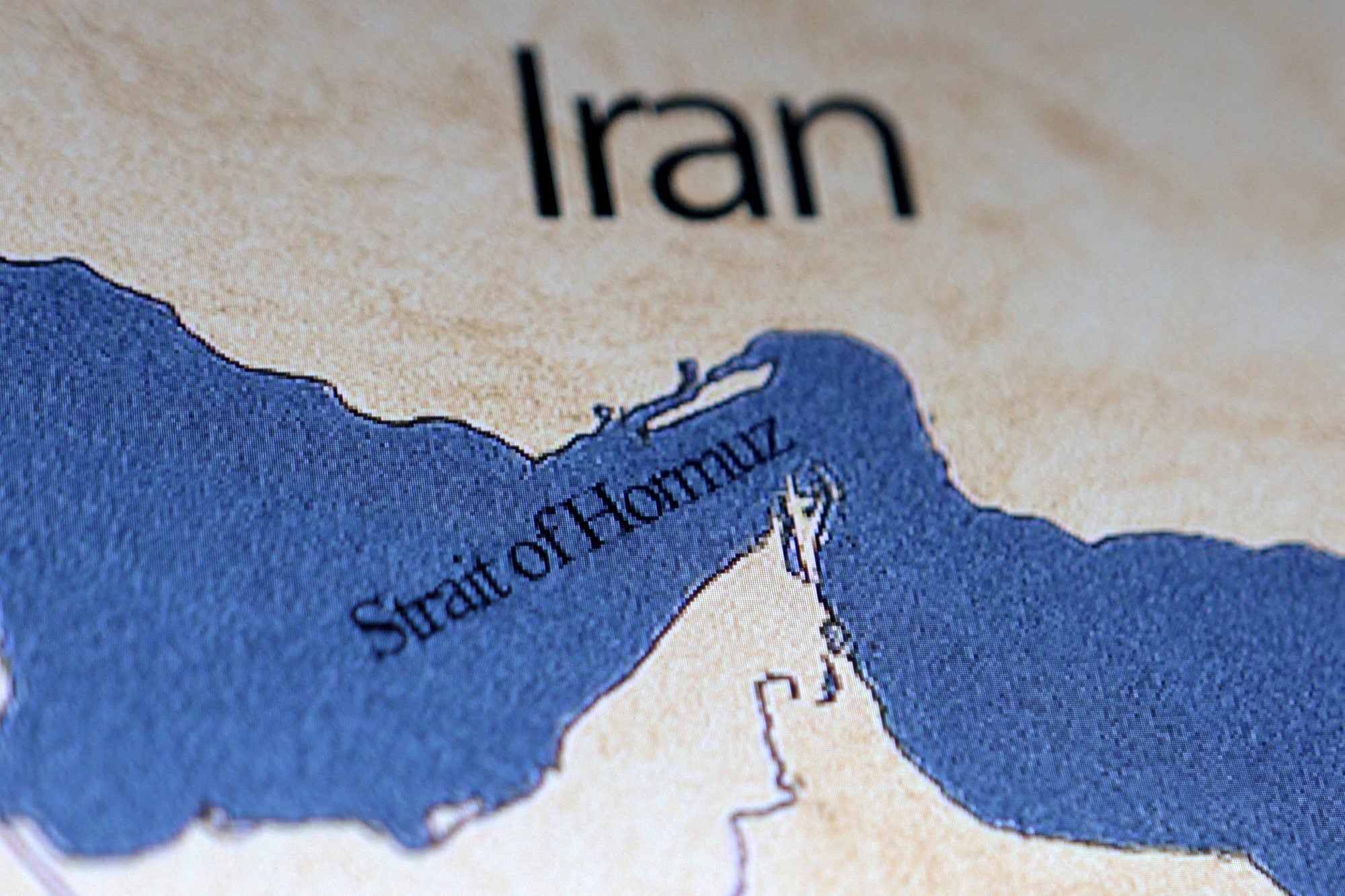
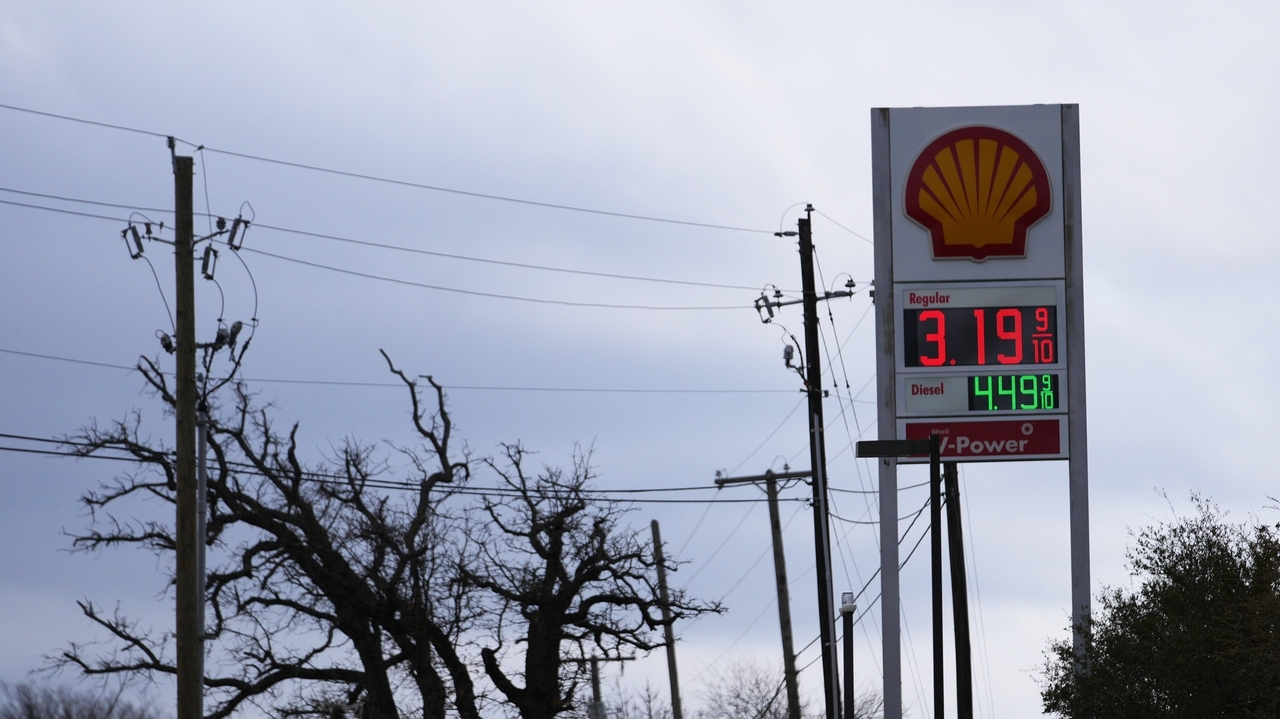
This surge has directly led to higher U.S. gasoline prices, averaging $3.48 per gallon (up 17% since the conflict began), and a 23% jump in diesel prices to $4.65 per gallon. The effective closure of the Strait of Hormuz further exacerbates shipping costs, as fuel accounts for 50-60% of maritime transport expenses. The economic repercussions extend broadly, impacting the cost of nearly all goods due to increased transportation expenses.
Home energy bills are expected to rise, and products derived from natural gas, such as plastics and fertilizers, will also see price increases. Economists project a substantial inflationary impact, with JPMorgan estimating U.S. inflation could reach 3% or higher, and EY-Parthenon forecasting a potential 1% monthly increase.
This inflationary pressure is anticipated to reduce consumer spending, particularly among lower-income households, as discretionary budgets are squeezed. While some retailers may initially absorb higher transportation costs, sustained elevated oil prices will likely lead to widespread price hikes across the economy.