News

Geopolitics · Inflation · Oil Prices · Supply Shock
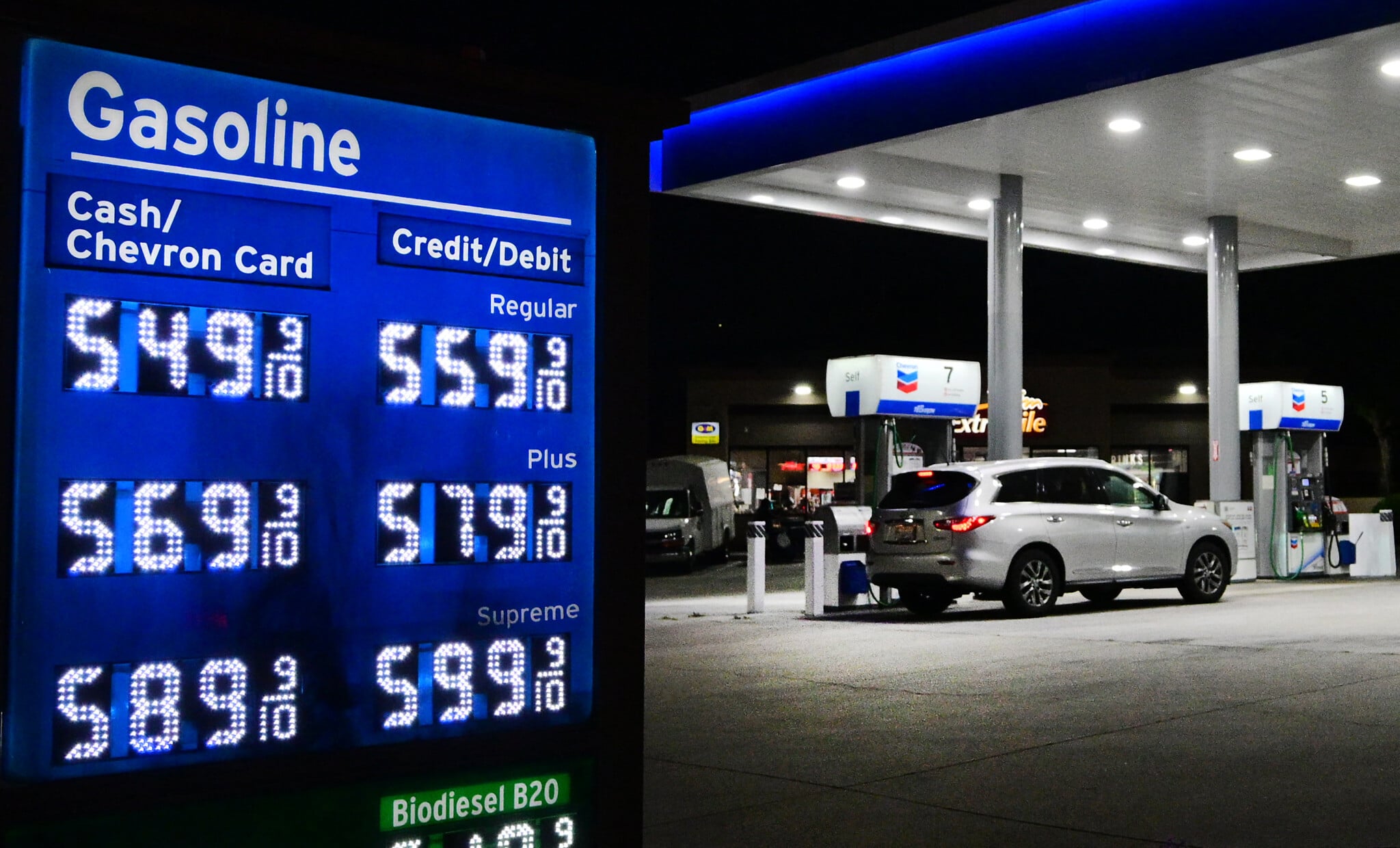
Crude oil prices have surged dramatically, with West Texas Intermediate (WTI) and Brent crude rocketing past $100 a barrel for the first time since early 2022, and WTI extending gains to over $111.
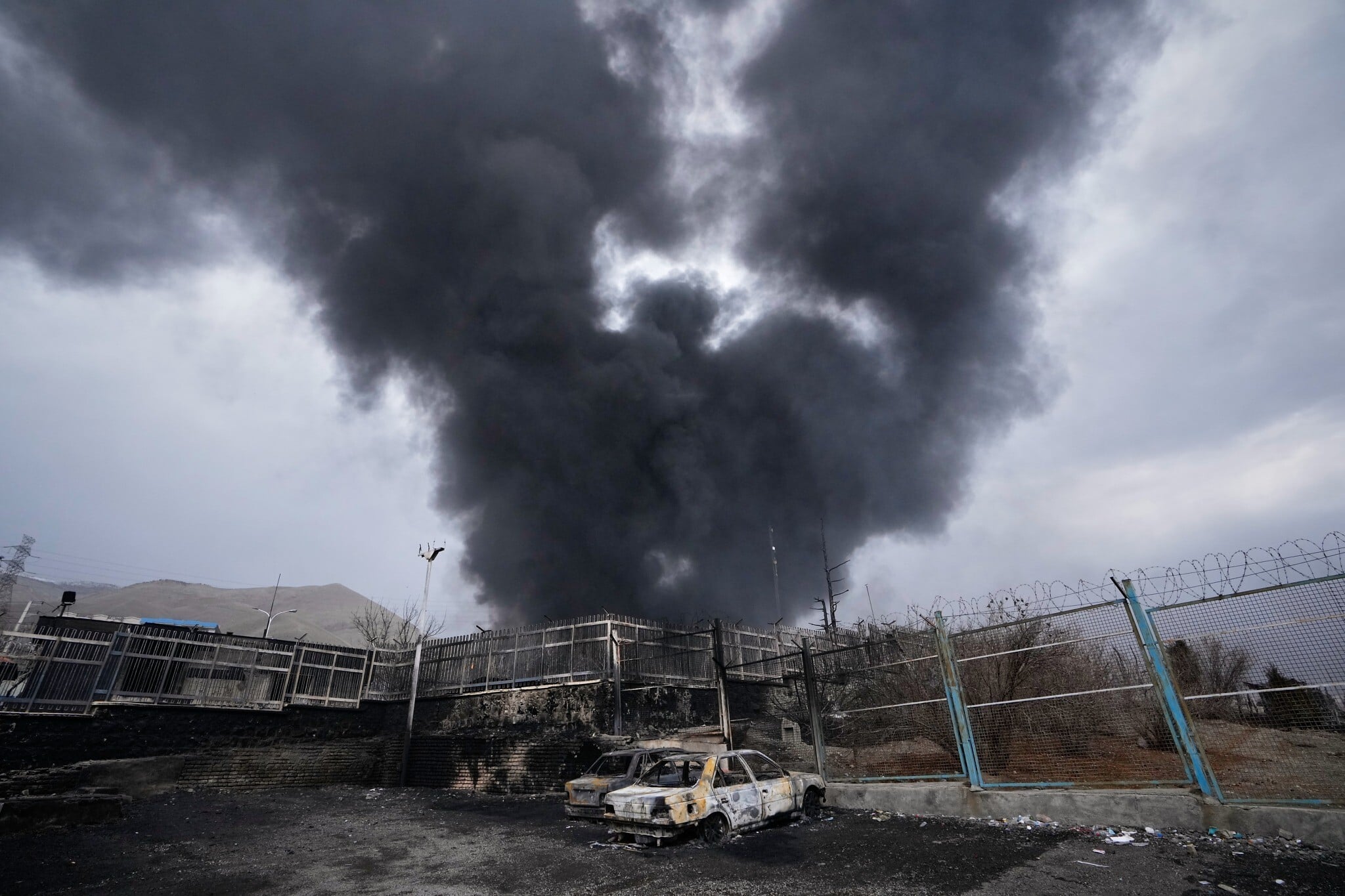
This unprecedented appreciation, doubling in three months, is primarily driven by the ongoing US military campaign against Iran and the effective closure of the Strait of Hormuz. This critical chokepoint, through which 20% of global oil transits, is now largely impassable due to Iranian threats, causing a historic supply shock.
Major Gulf producers like Iraq, Kuwait, and the UAE are forced to curtail output significantly as storage facilities rapidly fill, unable to export their crude. President Trump views the price shock as temporary, directly linked to the military campaign's duration, and an acceptable cost for national security.
However, Iran's naming of a new Supreme Leader, Mojtaba Khamenei, suggests a lack of immediate diplomatic resolution. The trajectory of oil prices and the potential for a broader economic reckoning hinge on the conflict's duration and resolution.