News
Geopolitics · Market Volatility · Oil Markets · Safe-Havens
The recent US-Israel strikes on Iran, followed by Iranian retaliation, have plunged the Middle East into a new conflict, immediately impacting global financial markets.
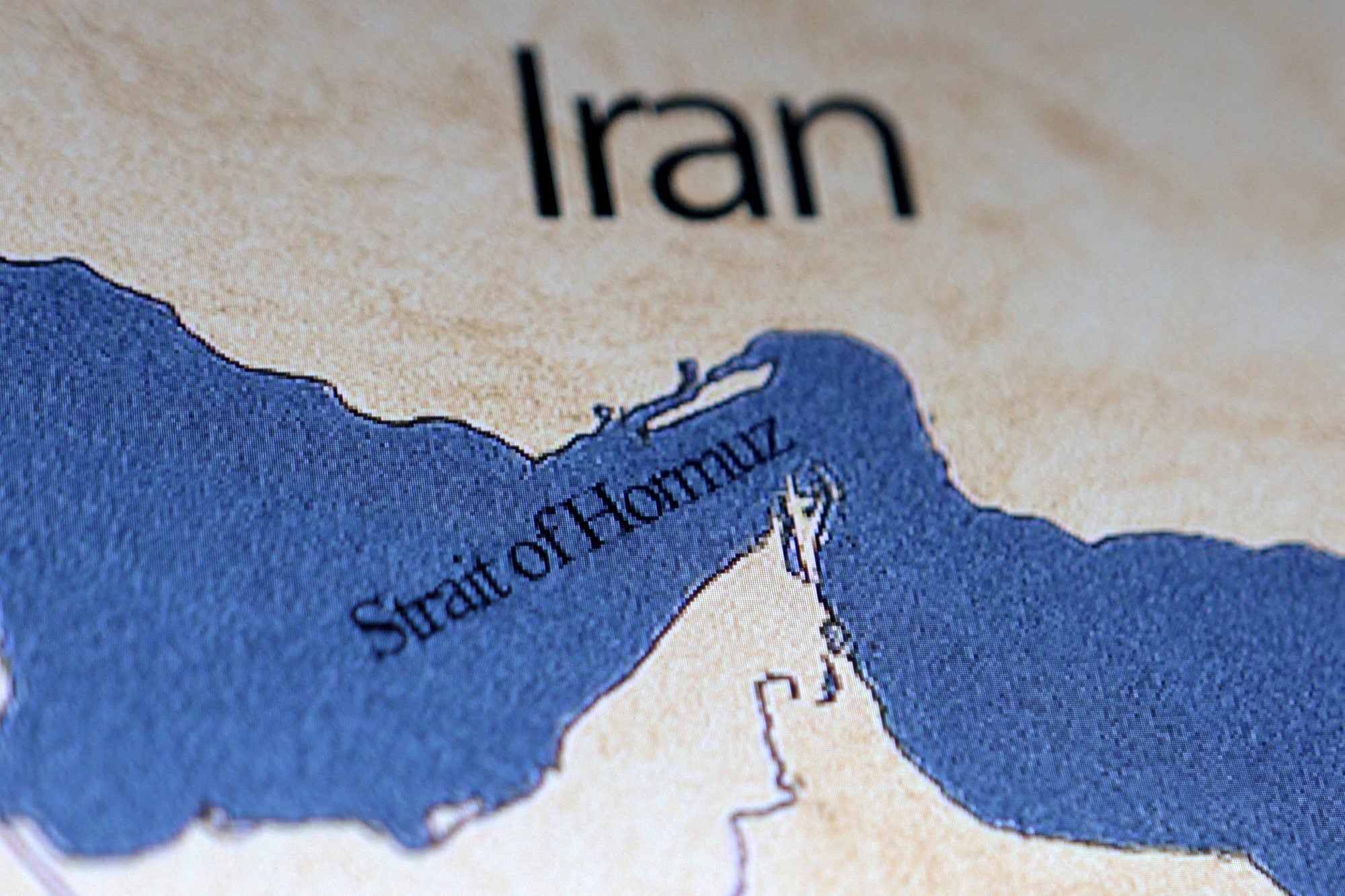
Oil prices surged to a seven-month high near $73 a barrel, driven by fears of supply disruptions in the critical Strait of Hormuz, which handles 20% of global oil supply. Analysts project Brent crude could reach $80 in a contained scenario or $100 if the conflict is prolonged, potentially adding 0.6-0.7 percentage points to global inflation.
This geopolitical tension is exacerbating market volatility, with the VIX index already up a third this year. Investors are flocking to traditional safe-haven assets like gold, which has seen a 22% gain in 2026 and could hit $5,000/oz, the Swiss franc, and US Treasuries.
Conversely, the Israeli shekel is under pressure, and Bitcoin, no longer seen as a haven, has fallen significantly. Middle Eastern stock markets are bracing for declines of 3-5%, while airline stocks face headwinds and European defense companies anticipate increased demand.
The conflict's duration will dictate the extent of these market shifts.