News

Geopolitics · Iran · Israel · Middle East Conflict
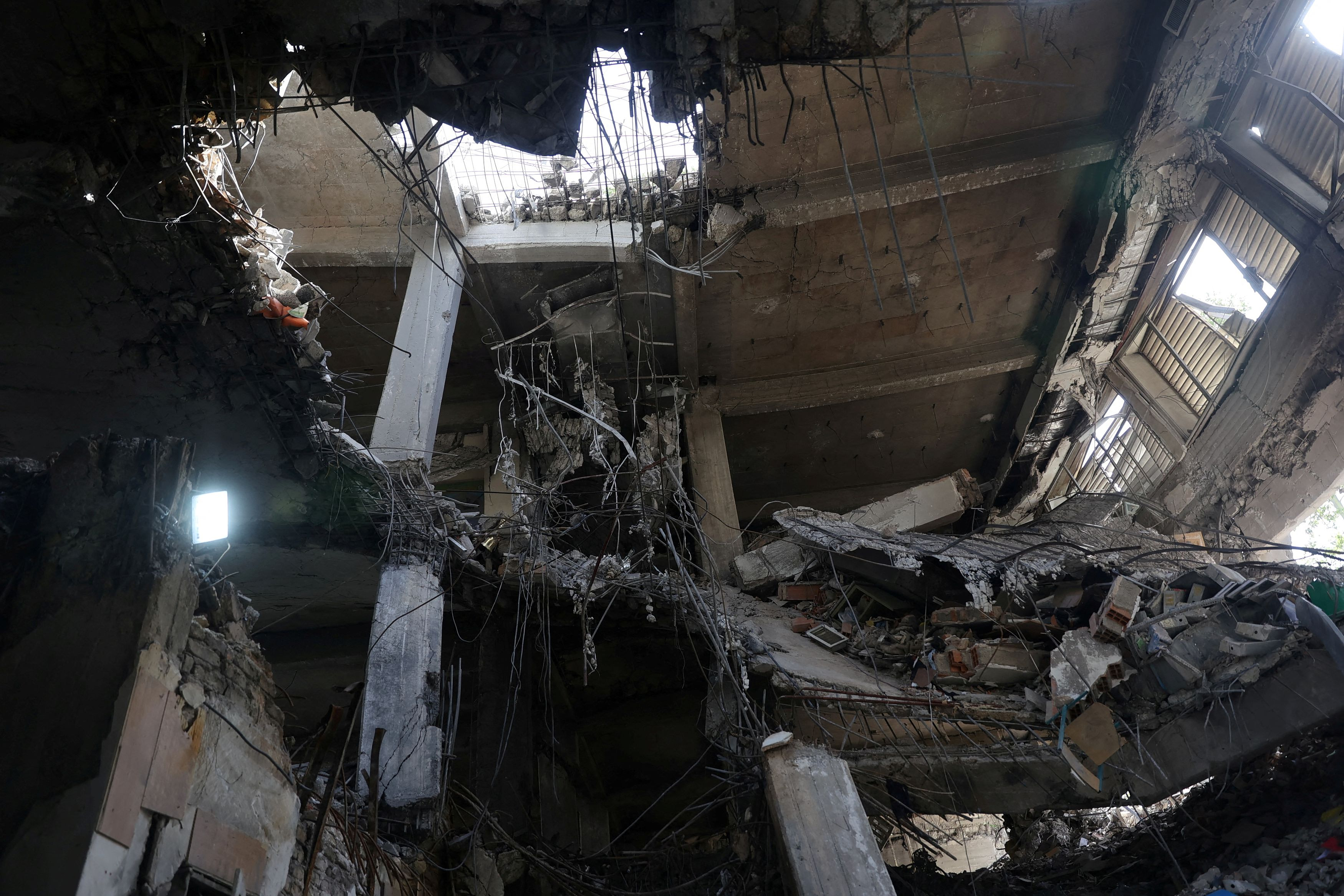
The assassination of Ali Larijani, Iran's de facto leader, in an Israeli airstrike marks a significant escalation in the ongoing conflict involving Iran, the U.S., and Israel.
Larijani, 67, was widely considered the second-in-command, stepping into leadership after Ayatollah Ali Khamenei's death on February 28. The overnight strike in Tehran also eliminated Gen.
Gholam Reza Soleimani, head of the Revolutionary Guard’s Basij force. This incident follows a series of targeted killings of high-ranking Iranian officials, including Ali Shamkhani and Mohammad Pakpour, underscoring a systematic decapitation strategy against the Islamic Republic's leadership.
While Iranian state media initially delayed confirmation, the Israeli Ministry of Defense swiftly claimed responsibility, with Defense Minister Israel Katz explicitly stating the elimination of Larijani and Soleimani. This aggressive posture by Israel, coupled with the loss of key figures, signals profound instability within Iran's political and military structures.
Investors should brace for heightened geopolitical risks, potential disruptions to global energy supplies, and increased volatility in defense sector stocks as the regional conflict intensifies. The long-term implications for Middle East stability and international relations remain uncertain, but immediate market reactions are anticipated.
Iran Conflict Escalates, Araghchi Halts US Talks, Oil Surges
Iran Adopts Russia's Drone Swarm, Challenges US Defenses
Trump Escalates Iran War, DHS Fails, Markets React